
Tick Season Is Arriving Early – What Types Should New Jersey Residents Fear?
- Nishadil
- July 06, 2026
- 0 Comments
- 5 minutes read
- 23 Views
- Save
- Follow Topic
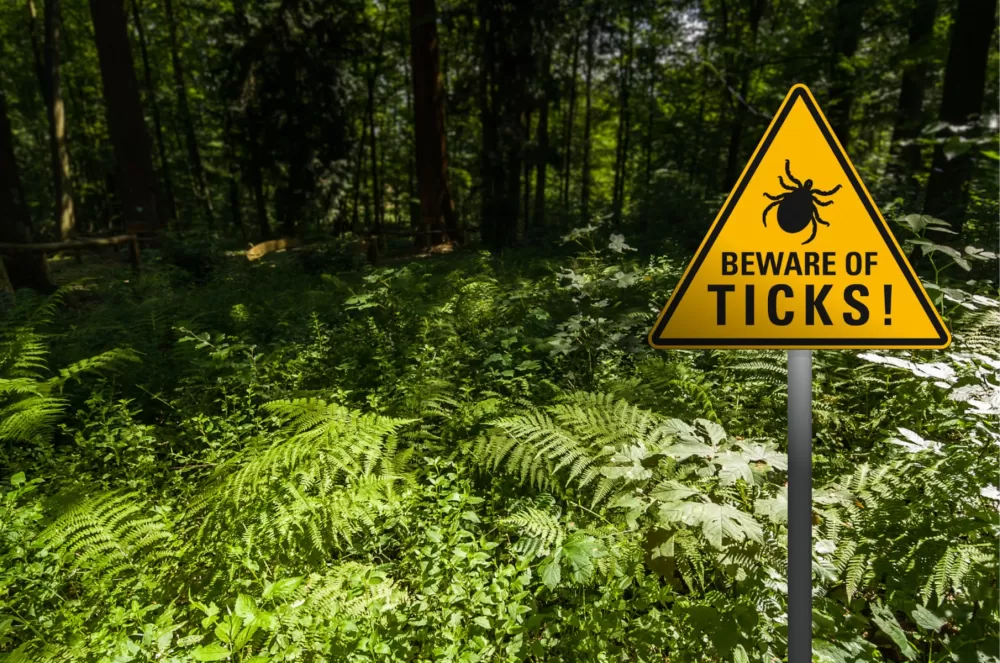
A record‑breaking tick surge looms over the Garden State. Learn which species pose the biggest health threats and how to protect yourself.
New Jersey’s tick season may be the worst on record. Blacklegged, lone star, dog, and Asian longhorned ticks are on the rise. Find out which ones matter most and simple steps to stay safe.
It feels like summer decided to roll in a little ahead of schedule, and with the warmth comes a familiar, unwelcome visitor: ticks. The New Jersey Department of Health just released data that suggests this year could be a record‑setting tick season, meaning more bites, more testing, and—unfortunately—more worry.
Now, before you start picturing a nightmare of giant arachnids crawling over your backyard, let’s break it down. Not all ticks are created equal, and only a handful carry the diseases that make headlines. The three (well, four) main culprits you’ll likely hear about are the blacklegged tick, the lone star tick, the American dog tick, and the newer‑to‑the‑state Asian long‑horned tick.
Blacklegged (deer) tick: This is the one most of us recognize from news reports about Lyme disease. It’s tiny—about the size of a grain of sand when unfed—and loves the damp, leafy underbrush of our woodlands. In New Jersey, the blacklegged tick is responsible for the majority of Lyme cases, and it can also spread anaplasmosis and babesiosis. If you’ve ever hiked in the Pine Barrens, the Watchung Mountains, or any of the state’s many park trails, you’ve probably walked into its territory.
Lone star tick: The name comes from the single white spot on the adult female’s back—think of a tiny cowboy hat. While it’s not a major Lyme carrier, it can transmit ehrlichiosis, Southern tick‑associated rash illness (STARI), and, more controversially, a condition known as Alpha‑gal syndrome—an allergy to red meat that shows up weeks after a bite. Lone star ticks are expanding northward, and they love the edges of lawns, tall grasses, and even backyard gardens.
American dog tick: As the name hints, it often hangs out where dogs and other pets roam. It’s larger than the deer tick, and its bite can be painful—sometimes leaving a small blister. Though it’s less likely to carry Lyme disease, it can still transmit Rocky Mountain spotted fever and tularemia. If you have a pooch that loves to sniff around the woods, keep an eye on both of them.
Asian long‑horned tick: This newcomer arrived in the U.S. a few years ago and has been quietly spreading through the Mid‑Atlantic. What makes it scary is that it can reproduce without males, meaning a single tick can start a whole new population. So far, it hasn’t been linked to many human illnesses, but researchers are keeping a close watch. It’s typically found on deer, but it will happily hitch a ride on any warm‑blooded host, including humans.
So, which of these should you actually worry about? In plain English: the blacklegged tick is still the biggest public‑health threat because of Lyme disease, but the lone star tick is a close second due to the growing number of allergic reactions and other illnesses. The dog tick is more of a nuisance‑factor for pet owners, and the Asian long‑horned tick is something to monitor as it spreads.
Here are some practical, low‑tech steps you can take right now:
- Dress smart: Wear long sleeves and pants when you’re in tall grass or leaf litter. Tuck those pants into your socks if you can.
- Use repellents: Products containing DEET, picaridin, or oil of lemon eucalyptus work well on skin. Treat clothing with permethrin—just don’t spray it on yourself.
- Check, check, check: After you’re done outdoors, do a thorough tick sweep—especially in hard‑to‑see spots like the scalp, behind the ears, and between the toes.
- Shower promptly: A quick shower within two hours of returning home can wash away unattached ticks and makes them easier to spot.
- Pet care: Keep dogs on a vet‑recommended tick preventative, and inspect them daily. A quick brush after a walk can save you both from a surprise bite.
- Landscape wisely: Keep lawns mowed, clear brush, and create a dry, sunny border around play areas. Ticks hate the heat.
If you do find a tick, remove it with fine‑point tweezers—grab as close to the skin as possible and pull upward with steady pressure. Save it in a sealed container if you want to have it identified later, but don’t delay the removal; the longer a tick stays attached, the higher the risk of disease transmission.
And finally, stay informed. The state health department posts weekly tick‑surveillance maps online, and many local doctors now offer rapid testing for Lyme and related illnesses. Knowledge, combined with a few simple habits, can keep you and your family safe while you still enjoy the great outdoors.
Bottom line: Yes, this season looks like a record‑breaker, but with a bit of vigilance and common‑sense prevention, you can still have a fun, bite‑free summer in New Jersey.
Editorial note: Nishadil may use AI assistance for news drafting and formatting. Readers can report issues from this page, and material corrections are reviewed under our editorial standards.


