The Yamuna's Lingering Lament: Froth Returns, Defoamer or Not
- Nishadil
- January 27, 2026
- 0 Comments
- 3 minutes read
- 38 Views
- Save
- Follow Topic

Despite Record Defoamer Use, Toxic Froth Persists on Yamuna River
The Yamuna River is once again covered in a thick layer of toxic foam, a recurring problem linked to untreated sewage and industrial waste, even after authorities used a record amount of defoamer to clear it.
It's a sight that, sadly, many of us have grown all too familiar with, yet it never ceases to be disheartening: the Yamuna River, especially around parts of Delhi, once again cloaked in a thick, unsettling blanket of white foam. Just when you think perhaps, just perhaps, things might be looking up, the stark reality of persistent pollution resurfaces, often with a rather inconvenient timing – like during the sacred Chhath Puja.
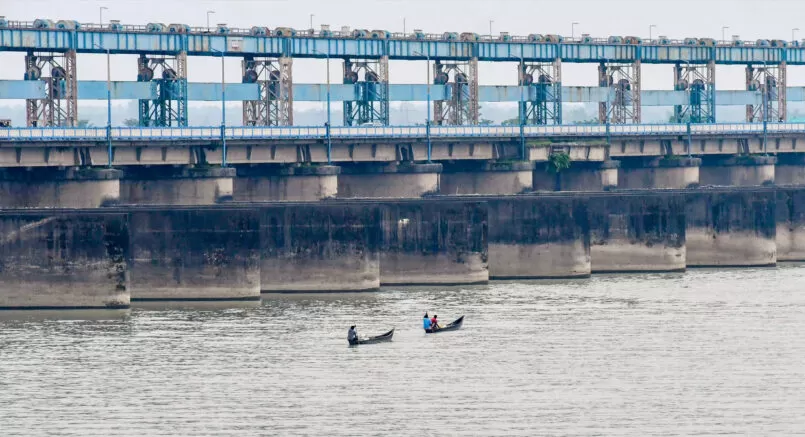
What makes this latest recurrence particularly frustrating, you know, is that it’s happened despite what authorities claim was a record-breaking effort. The Delhi Jal Board (DJB) reportedly used an unprecedented amount of defoaming chemicals – think along the lines of 600 kg – in just a few days, specifically targeting hotspots like the Kalindi Kunj area and the Okhla Barrage. The idea, of course, was to clear the frothy mess for the devotees. But as photographs and eyewitness accounts clearly show, the froth simply… came back. It’s a bit like trying to patch a gushing wound with a band-aid, isn't it?
So, why does this happen? Well, it’s not some natural phenomenon, that’s for sure. The scientific consensus points squarely at a cocktail of untreated sewage and industrial effluents. These nasty pollutants, often loaded with phosphates and other chemicals, find their way into the river. When the water flow is low, and especially when there are strong currents or even waterfalls (like at barrages), these chemicals churn up, creating that persistent, toxic foam. It’s a vivid, unsettling indicator of just how sick the river truly is.
This isn't new territory for the Yamuna, mind you. We saw similar, alarming levels of froth during Chhath Puja in 2020 and 2021 too. It’s almost become a grim annual tradition, a rather sad backdrop to a vibrant festival. Naturally, when something like this happens, the blame game often begins. Delhi authorities frequently point fingers upstream, citing industrial waste from states like Haryana and Uttar Pradesh as significant contributors. While there's certainly truth to the idea that pollution doesn't respect administrative boundaries, it also highlights a systemic failure to adequately treat wastewater before it enters this lifeline.
Ultimately, what this recurring spectacle screams out for isn't more temporary fixes like defoamers, which, let's be honest, only mask the symptom and don't address the underlying disease. What’s desperately needed are robust, long-term solutions: upgrading and expanding sewage treatment plants, ensuring industrial compliance with effluent discharge norms, and fostering a genuine, cross-state collaborative effort to revive the river. Until we tackle the pollution at its source, the Yamuna will likely continue to remind us, with its unsightly froth, that it's crying out for help.
Editorial note: Nishadil may use AI assistance for news drafting and formatting. Readers can report issues from this page, and material corrections are reviewed under our editorial standards.