The Weight of Washington's Words: Unpacking the Venezuela Dilemma on Sunday Mornings
- Nishadil
- January 04, 2026
- 0 Comments
- 3 minutes read
- 42 Views
- Save
- Follow Topic

When Tough Talk Met Reality: How Sunday Shows Grappled with Trump's Venezuela Stance
Remember those intense Sunday morning discussions? Political heavyweights and experts often delved deep into the complexities of U.S. policy toward Venezuela, especially during the Trump era, dissecting everything from sanctions to the dire humanitarian situation and, yes, even the whispers of 'strikes.'
Ah, Sunday mornings. For many of us, it’s a chance to unwind, maybe enjoy a leisurely breakfast. But for the politically engaged, it’s often a ritual: tuning into the talk shows, those vibrant arenas where the week's most pressing issues get dissected, debated, and, frankly, sometimes even a little dramatized. And back in the day, especially during the Trump administration, few topics generated quite as much fervent discussion as the United States' approach to Venezuela and its beleaguered leader, Nicolás Maduro.
It truly was a fascinating, if not deeply concerning, period to observe. The airwaves would often buzz with a mix of hawkish rhetoric and sober analysis. You’d hear former officials, seasoned diplomats, and policy wonks weighing in on everything from the efficacy of economic sanctions – you know, those heavy-hitting financial measures designed to squeeze a regime – to the increasingly dire humanitarian crisis unfolding within Venezuela’s borders. It wasn't just abstract policy; it was about real people facing unimaginable hardship, and that weight certainly permeated the discussions.
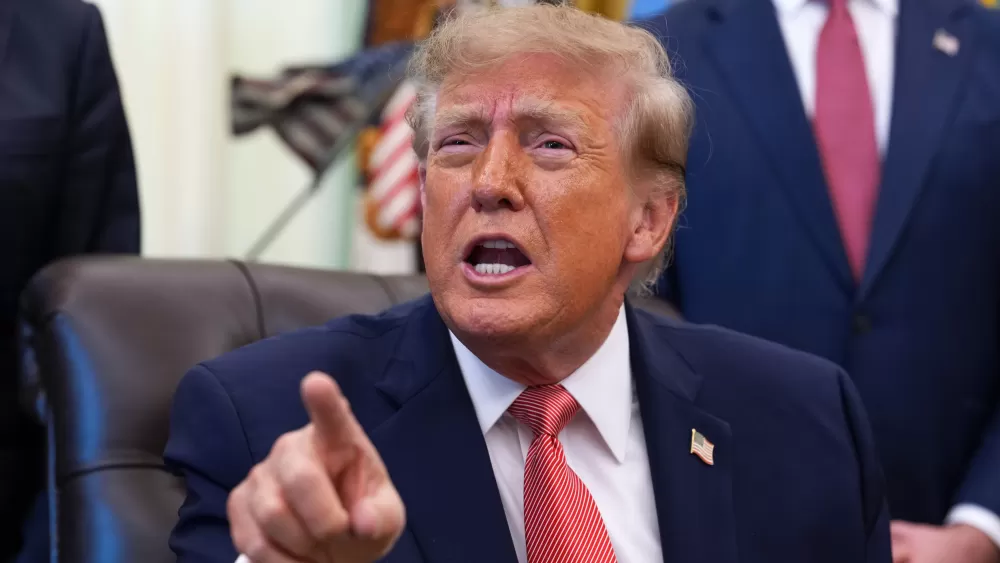
And then there was the question of President Trump himself. His administration, as we all recall, adopted a decidedly firm stance against Maduro, often refusing to acknowledge his legitimacy and instead backing opposition figures like Juan Guaidó. This wasn't just about diplomatic niceties; it was a fundamental challenge to Maduro's power, a clear declaration from Washington. What truly kept many on the edge of their seats, however, were the occasional, yet potent, hints of something more aggressive – the vague but unmistakable suggestions of 'all options on the table,' including the possibility of military intervention. These were often floated, debated, and then, perhaps tellingly, never quite materialized into direct action, leaving a sort of lingering tension in the air.
The Sunday panels would grapple with the sheer complexity of it all. How do you, as a global power, respond to a regime that’s systematically eroding democratic norms and, let's be honest, driving its own citizens into destitution? Is it through targeted sanctions that aim to starve the regime of funds, or do you risk destabilizing an already fragile region further? These weren't easy answers, and watching the diverse perspectives clash was, well, enlightening, to say the least. One moment you'd have an expert passionately arguing for stricter measures, and the next, another cautioning against unintended consequences, reminding everyone of the delicate balance involved.
It wasn't just about political strategy, though. Far from it. The human element was always lurking beneath the surface, even when the discussion drifted into geopolitical chess moves. The mass exodus of Venezuelans fleeing their homeland, the pervasive food shortages, the collapse of basic services – these grim realities were the silent backdrop to every debate. And I think, perhaps, that's why those Sunday morning shows were so important: they offered a regular forum, a consistent space, for the American public and policymakers alike to confront the ongoing crisis, to keep it from fading into the background, and to continually re-evaluate the strategies designed to bring about change in a nation caught in such a profound struggle.
Editorial note: Nishadil may use AI assistance for news drafting and formatting. Readers can report issues from this page, and material corrections are reviewed under our editorial standards.