
The Unyielding Truth: Why "All the President's Men" Remains Our Essential Political Thriller
- Nishadil
- April 21, 2026
- 0 Comments
- 5 minutes read
- 22 Views
- Save
- Follow Topic
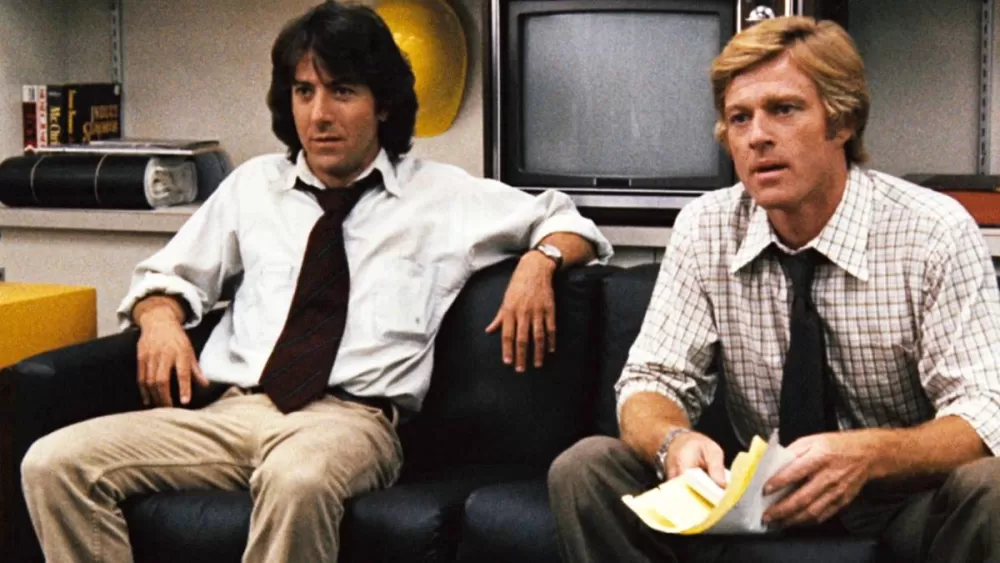
Decades Later, "All the President's Men" Still Haunts Us – And Why That's Crucial.
"All the President's Men" isn't just a film; it's a vital history lesson, a masterclass in tension, and a stark reminder of journalism's power. It’s a timeless story that resonates deeply even today, urging us to question, investigate, and protect the truth.
Many films come and go, flickering briefly across our cultural consciousness before fading into the vast archives of cinema. But then there are those rare gems that simply refuse to dim, their relevance growing, not diminishing, with each passing decade. Alan J. Pakula's "All the President's Men," released way back in 1976, is unequivocally one of them. More than just a movie, it stands as a towering monument in the realm of political thrillers, a stark and vital piece of filmmaking that feels, frankly, even more urgent now than it did almost fifty years ago.
At its heart, the film is a gripping, almost surgical, dissection of investigative journalism at its most relentless and principled. Dustin Hoffman and Robert Redford, in roles that would forever define them for a generation, embody Washington Post reporters Carl Bernstein and Bob Woodward with an incredible, almost palpable, blend of grit, skepticism, and sheer dogged determination. We see them, often in dingy back rooms or late-night phone calls, meticulously piecing together fragments, chasing down leads, facing dead ends, and occasionally, a truly terrifying brick wall. It's a portrayal of journalism that's messy, exhausting, and utterly crucial – far from the glamorous, high-speed chases we often see in fiction, but deeply authentic and compelling.
What’s truly remarkable about "All the President's Men" is its ability to build an almost unbearable tension, even for audiences who already know the ultimate outcome of the Watergate scandal. You might know President Nixon resigned, but the film isn't about what happened; it's about how it happened, the intricate, painstaking process of uncovering the truth. Pakula masterfully crafts a creeping sense of dread, a feeling of vast, unseen forces at play, as our two intrepid reporters peel back layers of deceit within the highest echelons of power. It's less about explosions and car chases and more about the quiet terror of knowing something is deeply, profoundly wrong, and the immense risk involved in bringing it to light.
This is precisely where the film's enduring resonance truly shines. In an age often plagued by "fake news" accusations, disinformation campaigns, and a public trust in institutions that often feels precariously thin, the themes explored in "All the President's Men" hit with startling clarity. It's a powerful reminder of the vital role a free, independent, and audacious press plays in holding power accountable, in ensuring transparency, and ultimately, in safeguarding democracy itself. The story of Woodward and Bernstein isn't just a historical artifact; it's a cautionary tale and an inspiring blueprint for what dedicated reporting can achieve when faced with overwhelming opposition.
Beyond its thematic weight, the film is a masterclass in cinematic craftsmanship. William Goldman's screenplay is tight, intelligent, and brimming with naturalistic dialogue. Gordon Willis's cinematography casts a moody, almost noir-ish pall over Washington D.C., emphasizing the clandestine nature of the investigation. And, of course, Pakula's direction is simply impeccable, maintaining a taut pace and claustrophobic atmosphere that draws you deeper into the labyrinthine world of political conspiracy. Every detail, from the overflowing ashtrays in the newsroom to the hushed tones of anonymous sources, feels meticulously authentic, grounding the narrative in a palpable reality.
So, why does "All the President's Men" still feel so absolutely vital? Perhaps it’s because it speaks to a fundamental human desire for truth, and simultaneously, to a primal fear of unchecked power. It reminds us that vigilance is not merely an option, but a solemn duty. It's a film that doesn't just entertain; it educates, provokes thought, and ultimately, inspires a belief in the relentless pursuit of facts, no matter how inconvenient or dangerous they may be. It’s a film that demands to be watched, re-watched, and discussed, because its message, truly, never goes out of style.
- Entertainment
- UnitedStatesOfAmerica
- News
- EntertainmentNews
- Democracy
- RobertRedford
- WashingtonPost
- MediaAccountability
- InvestigativeJournalism
- PoliticalThriller
- DustinHoffman
- GovernmentCorruption
- AllThePresidentSMen
- BobWoodward
- Watergate
- TruthInReporting
- CarlBernstein
- AlanJPakula
- ClassicFilmRelevance
Editorial note: Nishadil may use AI assistance for news drafting and formatting. Readers can report issues from this page, and material corrections are reviewed under our editorial standards.


