The Untangling of India's Land Records: Can Blockchain Be the Key?
- Nishadil
- November 08, 2025
- 0 Comments
- 3 minutes read
- 50 Views
- Save
- Follow Topic

Supreme Court Urges Blockchain Exploration for India's Property Records Amid Fraud Concerns
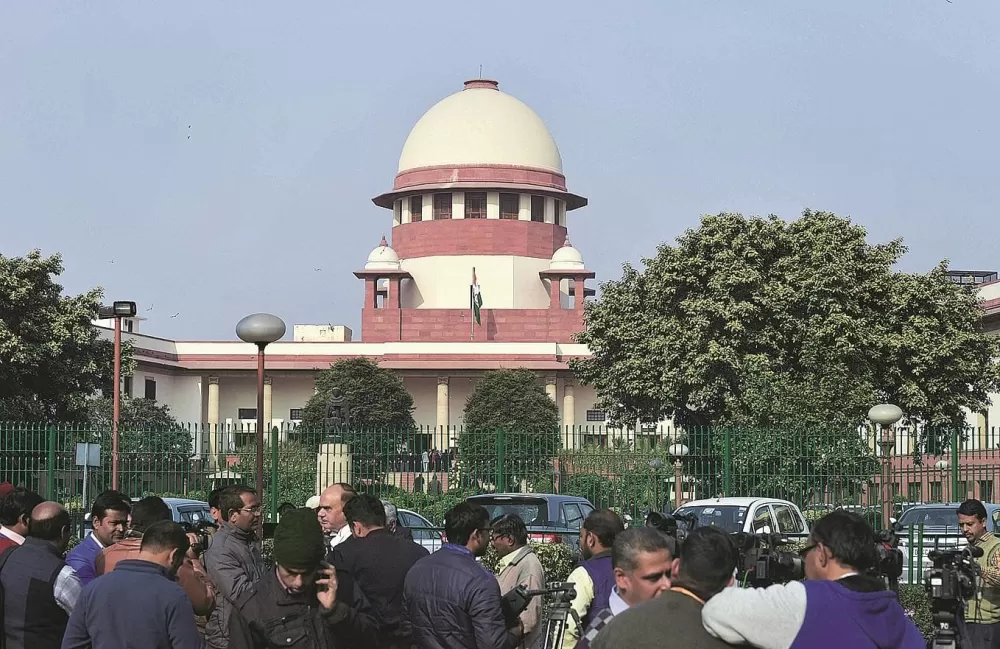
India's Supreme Court is grappling with widespread property fraud, prompting a bold suggestion: explore blockchain technology to overhaul the nation's antiquated land registration system, aiming for unparalleled transparency and security.
It’s a saga as old as time, or at least, as old as property itself: the tangled mess of land records, rife with whispers of fraud, outright deception, and the heartbreaking reality of ordinary folks losing their rightful claims. And honestly, it’s a problem that has plagued India’s legal landscape for far too long, leading to endless court battles, dashed dreams, and an overarching sense of unease. But what if there was a way out? A truly foolproof system? This very question, it seems, has now landed squarely on the Supreme Court’s table, prompting a rather revolutionary suggestion.
You see, the nation’s highest judicial body isn’t just pointing out the problem; they’re actively nudging governments, both at the Centre and in the States, to explore something genuinely transformative: blockchain technology. Yes, the very same tech that underpins cryptocurrencies like Bitcoin is now being eyed as a potential savior for India's antiquated and, frankly, vulnerable property registration system. Imagine that, a digital revolution for something as tangible as land!
Justices Sanjiv Khanna and S V N Bhatti, sitting on a two-judge bench, didn’t mince words. They articulated a profound concern about the current system’s susceptibility to fraud—the ease with which property can be illegally transferred, sometimes multiple times, often without the rightful owner's knowledge. It's a gaping vulnerability that fosters an environment ripe for criminal activity, leading to those exasperating, often decades-long land disputes that clog our courts and exhaust our citizens. The sheer volume of these cases, in truth, is staggering, and it highlights a fundamental lack of trust in existing records.
So, why blockchain? Well, the beauty of this technology lies in its immutability and transparency. Picture a ledger, but one that’s distributed across a vast network, secured by cryptography, and — crucially — one where every single entry, once made, cannot be altered or deleted. Ever. It’s tamper-proof, a digital fortress for property transactions. This means a clear, indisputable record of ownership, a definitive chain of title that would make fraudulent claims virtually impossible. You could say it's about building an unshakeable digital trust.
The court's call isn't just a fleeting thought; it’s a direct response to a specific case involving alleged fraudulent land sales, a stark reminder of the system's current failings. The judges are seeking a future where title deeds are clear, indisputable, and free from the shadow of doubt. Such a system would not only protect buyers from falling victim to elaborate scams but also safeguard sellers, ensuring their property is transferred legally and securely. It’s about injecting a much-needed dose of certainty into the often murky waters of real estate.
Implementing such a system, of course, wouldn't be without its challenges. There would be significant technological hurdles, a need for robust infrastructure, and perhaps most importantly, a massive undertaking in digitizing existing, often physical, records. But the potential benefits—reduced fraud, fewer legal disputes, enhanced efficiency, and greater public trust—are, in the eyes of the Supreme Court, compelling enough to warrant serious and immediate examination. Could this be the dawn of a new, secure era for property ownership in India? Only time, and decisive action, will tell. But for once, the future looks bright, and digitally secure.
Editorial note: Nishadil may use AI assistance for news drafting and formatting. Readers can report issues from this page, and material corrections are reviewed under our editorial standards.