
The Unseen Boom: Why America's Construction Industry Needs Half a Million New Hands, Fast
- Nishadil
- February 08, 2026
- 0 Comments
- 4 minutes read
- 53 Views
- Save
- Follow Topic
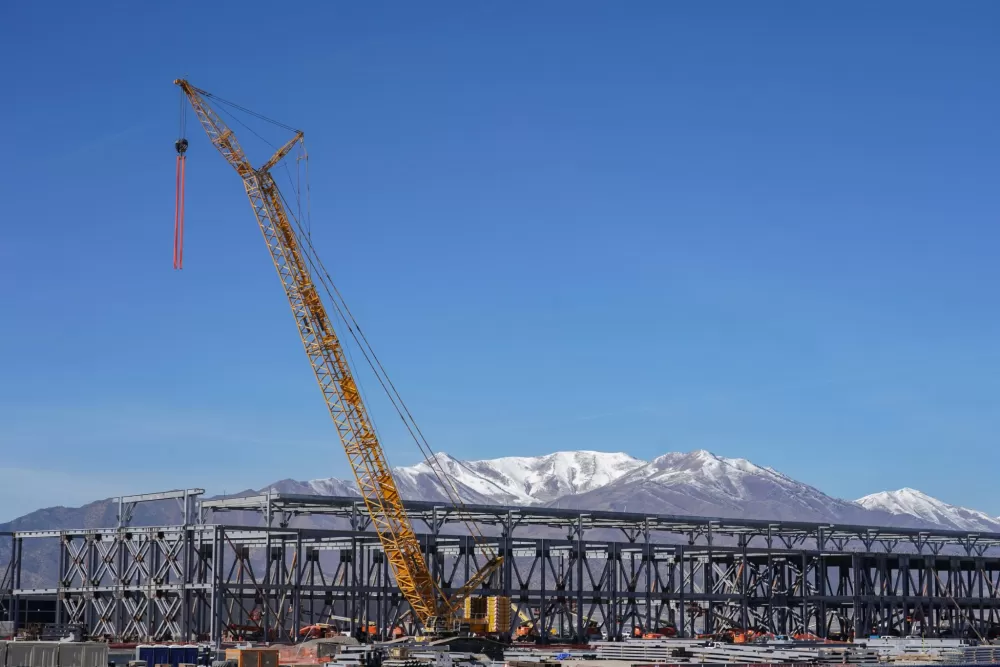
A Monumental Challenge: Half a Million Workers Needed as America's Building Boom Hits a Wall
The U.S. construction industry is grappling with a massive labor shortage, projected to need 500,000 new workers by 2026. This demand is fueled by ambitious infrastructure projects, a resurgence in manufacturing, and the exponential growth of AI-driven data centers, creating a critical opportunity for skilled trades.
Picture this: America's construction industry is on fire, absolutely booming, but it's staring down a monumental problem. By the time 2026 rolls around, we're going to need a staggering half a million new workers just to keep pace. Think about that number for a second – 500,000! It’s a bit mind-boggling, isn't it? It means that for all the cranes dotting our skylines and all the new foundations being poured, there's a desperate cry for more hands-on deck, and quickly.
So, what's driving this insatiable appetite for new builders? Well, it’s a perfect storm of factors, really. We're talking about massive infrastructure upgrades, you know, roads, bridges, all the stuff that quite literally holds our country together and keeps our economy moving. Then there’s the resurgence in domestic manufacturing, with new factories popping up, breathing life into communities and creating jobs. And let’s not forget the silent, but colossal, impact of the AI revolution. All those data centers, those colossal digital brains powering our future, they don't just magically appear; they need skilled hands to build them, brick by brick, beam by beam, on a scale we've never quite seen before.
Here's the rub, though: we're already facing a profound shortage of skilled hands. It’s not just about finding bodies; it's about finding people who can actually do the intricate work. Plumbers, electricians, welders, carpenters – these aren't just jobs; they're vital crafts, essential to our modern world. And for too long, we’ve, as a society, perhaps overlooked the immense value and potential in these incredibly rewarding professions. We simply haven't been producing enough of these experts to meet the current, let alone future, demand.
Now, some folks might wonder, "What about AI? Won't robots just take over?" And it's a fair question, especially with all the buzz around automation. While AI is certainly transforming many industries, and yes, it'll make construction sites safer and more efficient – think robotic bricklayers handling repetitive tasks or drone-based inspections giving real-time data – it’s not going to replace the human element. Far from it, actually. AI will likely empower workers, making their jobs more precise, perhaps even more complex and intellectually stimulating. But the fundamental need for human ingenuity, problem-solving, and hands-on skill remains absolutely paramount for those critical building decisions and custom touches.
The real hurdle, the big one, is enticing a new generation into these trades. For years, there’s been a pervasive narrative pushing everyone towards four-year college degrees, sometimes overshadowing the fantastic career paths available in the skilled trades. We need to shift that perspective, highlight the excellent pay, the tangible results of their labor, and the genuine sense of accomplishment that comes from building something real, something lasting. It's about showing them that these aren't just jobs; they're careers with dignity, excellent earning potential, and a real chance to shape the world around them, literally constructing the future.
So, as we look ahead, the challenge is clear: how do we bridge this gap? It’s going to require a concerted effort from educators, industry leaders, and policymakers alike. We need better training programs, stronger apprenticeships, and a renewed emphasis on vocational education. Because, let's be honest, without these crucial half a million new workers, America's ambitious building plans might just remain blueprints on a desk, and that would be a tremendous loss for us all. It's not just about jobs; it's about the very future we're quite literally building, one vital structure at a time.
Editorial note: Nishadil may use AI assistance for news drafting and formatting. Readers can report issues from this page, and material corrections are reviewed under our editorial standards.


