The Uniquely Human Edge: Where We Still Outshine the Machines
- Nishadil
- June 21, 2026
- 0 Comments
- 4 minutes read
- 30 Views
- Save
- Follow Topic

Beyond the Algorithm: Unpacking the Skills That Keep Humans Indispensable in an AI World
It's easy to feel a little overwhelmed by AI's rapid advancements, but guess what? There are still incredible, deeply human capabilities where we remain kings and queens. This piece explores those irreplaceable skills that truly set us apart from even the smartest algorithms.
Everywhere you look, it feels like artificial intelligence is making headlines, pulling off feats that, not long ago, seemed like pure science fiction. From writing code to composing music, even generating incredibly realistic images, AI’s capabilities are frankly astounding. It’s easy, perhaps even natural, to feel a little ripple of anxiety about what this all means for us, for our jobs, for our very place in the world, right? But here's a thought, a truly comforting one: despite all the incredible progress, there remain core human strengths, profound abilities that even the most sophisticated algorithms simply cannot replicate.
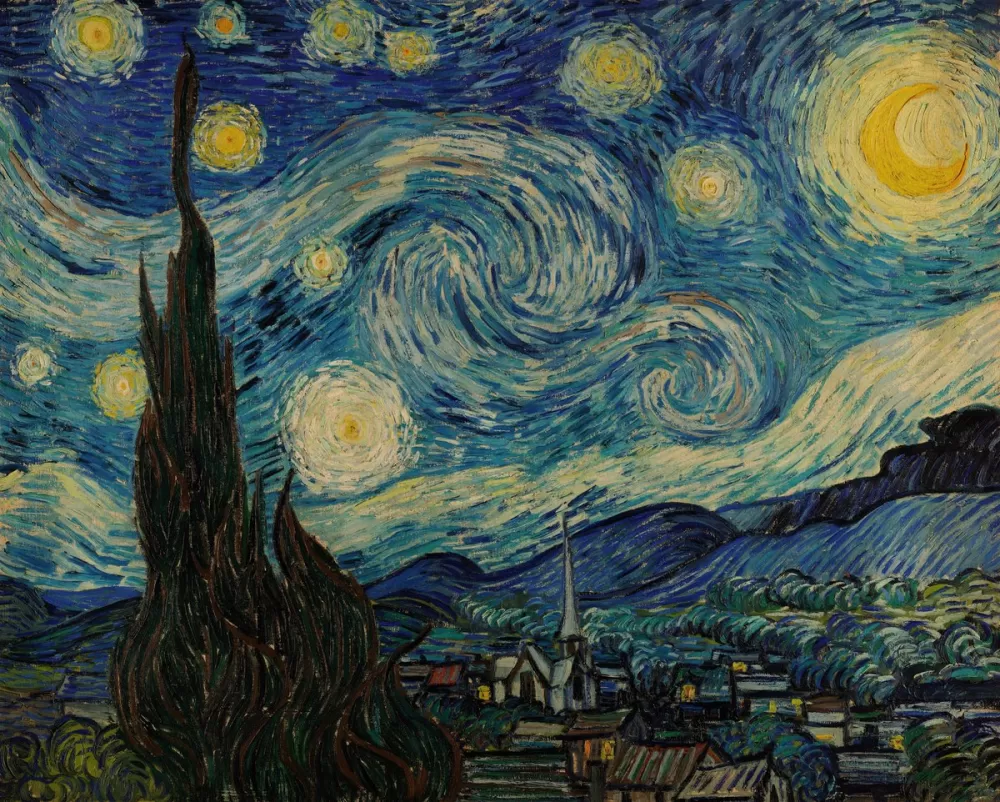
Let’s talk about creativity for a moment. Yes, AI can paint a picture in the style of Van Gogh or write a pop song that sounds eerily similar to a chart-topper. But can it truly conceive a completely novel concept, an idea born from raw emotion, lived experience, or a sudden, intuitive leap of imagination? I'd argue not. Human creativity isn’t just pattern recognition; it’s about breaking patterns, forging entirely new paths, expressing the inexpressible. Think of a brilliant chef inventing a dish from a memory, or an artist channeling deep personal struggle into a breathtaking sculpture. That kind of original thought, that truly groundbreaking innovation, springs from a uniquely human well.
Then there’s the whole realm of emotional intelligence and empathy. This is a huge one, if you ask me. AI might be able to detect sadness in a voice or analyze sentiment in text, but can it genuinely feel compassion? Can it understand the unspoken nuances of a friend’s discomfort, offer truly comforting words, or build deep, trusting relationships based on shared human experience? Absolutely not. Therapists, teachers, nurses, leaders – anyone who relies on understanding and responding to the complex tapestry of human emotions – these roles require a depth of empathy and connection that machines just can’t touch. It’s about being truly present, understanding context beyond data, and connecting soul to soul, you know?
Consider situations demanding complex critical thinking and ethical judgment. AI can sift through mountains of data to find correlations, certainly. But when it comes to navigating a morally ambiguous dilemma, making a difficult decision with incomplete information, or applying wisdom born from years of life experience – that's where human judgment shines. Lawyers, judges, journalists, senior strategists, even parents making tough choices for their kids – they aren't just processing facts; they're weighing values, anticipating ripple effects, and exercising a kind of discernment that goes far beyond any algorithm. It's about 'why' and 'what if' in a deeply human, philosophical sense.
And what about solving truly complex, ambiguous problems? The kind where there’s no clear instruction manual, no dataset quite like it. Humans excel at connecting disparate ideas, thinking laterally, and improvising when the unexpected hits. We can adapt to wildly novel situations, drawing on a vast, unstructured internal library of experiences, hunches, and gut feelings that AI, for all its training data, simply doesn’t possess. When something truly unprecedented happens, it’s human ingenuity and resilience that steps up to the plate, not a pre-programmed response.
Even in areas like physical dexterity, while robots are getting incredibly good at repetitive tasks, the nuanced touch of a surgeon, the delicate hand of a craftsman, or the comforting embrace of a caregiver still relies on a level of intuitive feedback and gentle precision that remains a human hallmark. More than that, it's the intention behind the touch, the emotional connection, that makes these interactions so profoundly human.
So, as AI continues its remarkable ascent, it's not a narrative of replacement, but one of evolution. Our role isn't to compete with machines on their terms, but to lean into what makes us uniquely, wonderfully human. By honing our creativity, deepening our emotional intelligence, refining our critical judgment, and embracing our innate adaptability, we don't just survive; we thrive. We ensure that the future, no matter how technologically advanced, remains profoundly, beautifully human. After all, isn't that what truly matters?
Editorial note: Nishadil may use AI assistance for news drafting and formatting. Readers can report issues from this page, and material corrections are reviewed under our editorial standards.