The Solar Paradox: Rajasthan's Curtailment Woes Dim India's Green Energy Dreams
- Nishadil
- December 06, 2025
- 0 Comments
- 3 minutes read
- 37 Views
- Save
- Follow Topic

Titans of India's Energy Sector Face Hundreds of Crores in Losses as Rajasthan Curbs Solar Power Generation
Major power generators like Adani, NTPC, and JSW Energy are grappling with substantial financial setbacks due to frequent and often disputed solar power curtailment in Rajasthan. This ongoing issue not only drains company coffers but also casts a long shadow over India's ambitious renewable energy targets and investor confidence.
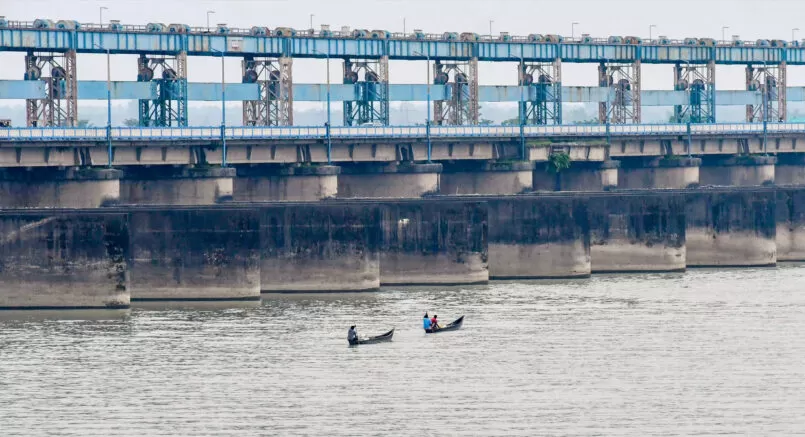
Rajasthan, a state blessed with abundant sunshine and positioned as a cornerstone of India's renewable energy ambition, is currently grappling with a rather curious and increasingly problematic paradox. Imagine sprawling solar farms, meticulously built to harness the sun's immense power, yet finding their output arbitrarily curtailed – sometimes quite drastically – by the very systems meant to integrate them. This isn't just a minor technical hiccup; it's a significant financial drain for some of the country's biggest energy players.
Indeed, titans of the energy world, including Adani Green Energy, NTPC, and JSW Energy, alongside other significant independent power producers like SB Energy and Azure Power, are reportedly staring down hundreds of crores in losses. The culprit? Frequent, and often hotly debated, directives from the Rajasthan State Load Despatch Centre (SLDC) to reduce solar power generation. It’s a situation that has many in the industry scratching their heads, wondering why perfectly good, clean electricity isn't being allowed to flow, especially when there's demand for it.
The official line from the SLDC often points to concerns about grid congestion or the delicate dance of balancing demand and supply. And yes, grid stability is absolutely paramount, nobody disputes that. However, the solar power generators themselves tell a different story. They frequently argue that their curtailment isn't always rooted in genuine technical constraints, like a lack of transmission capacity or a sudden dip in demand. Instead, it sometimes feels arbitrary, or at least, disproportionate. They’ve invested billions into these projects, with long-term power purchase agreements (PPAs) in hand, only to find their expected revenue streams significantly disrupted by these forced shutdowns.
Think about it: when you're paid for the electricity you actually generate and inject into the grid, every moment of curtailment is a direct hit to your bottom line. These aren't just theoretical numbers; they represent tangible financial losses that ripple through investment portfolios and future project viability. It creates a climate of uncertainty, which, let's be honest, is kryptonite for investors looking to pour more capital into the renewable sector. If the dispatch risk is too high, it makes future solar or wind projects in the region – and perhaps beyond – look far less appealing, regardless of the sunshine.
This isn't just about individual company balance sheets, though those losses are certainly painful enough. The bigger picture here is India's ambitious journey towards decarbonization and its aggressive renewable energy targets. When a leading solar state like Rajasthan struggles with dispatching its clean power, it sends a worrying signal. It undermines the very confidence needed to accelerate this critical energy transition. How can India achieve its goal of 500 GW of non-fossil fuel capacity by 2030 if the power already being generated can't reliably reach consumers?
Ultimately, a more transparent, predictable, and technically justified approach to grid management is desperately needed. This situation calls for robust dialogue, better forecasting, and potentially, policy adjustments to ensure that the sunniest state doesn't inadvertently cast a shadow over India's otherwise bright green energy future. The stakes are simply too high to let this paradox persist.
- India
- News
- Environment
- EnvironmentNews
- SolarPowerCurtailment
- RenewableEnergyMustRunStatus
- PowerGridCorporationIndia
- India500GwRenewableTarget2030
- CeaTransmissionLinesAddedFy25
- KhetriNarela765KvLine
- RightOfWayRowTransmissionDelay
- IndiaTransmissionCapacityLag
- SolarPowerDevelopersLosses
- ZelestraSerenticaJswSolar
- DelayedPpasRenewableEnergy
- GridCongestionRajasthanSolar
- RajasthanSolarPowerCurtailment
- RajasthanEnergyCrisis
- AdaniGreenEnergyLosses
- NtpcSolarIssues
- JswEnergyChallenges
- RenewableEnergyDispatch
- IndiaCleanEnergyGoals
- GridManagementProblems
- InvestorConfidenceRenewables
- PowerGenerationLosses
Editorial note: Nishadil may use AI assistance for news drafting and formatting. Readers can report issues from this page, and material corrections are reviewed under our editorial standards.