The Sky's Getting Bumpy: Ryanair CFO's Dire Warning for Airlines
- Nishadil
- May 19, 2026
- 0 Comments
- 3 minutes read
- 20 Views
- Save
- Follow Topic

“Airline Armageddon” Looms as Jet Fuel Crisis and Geopolitical Storms Threaten Global Travel
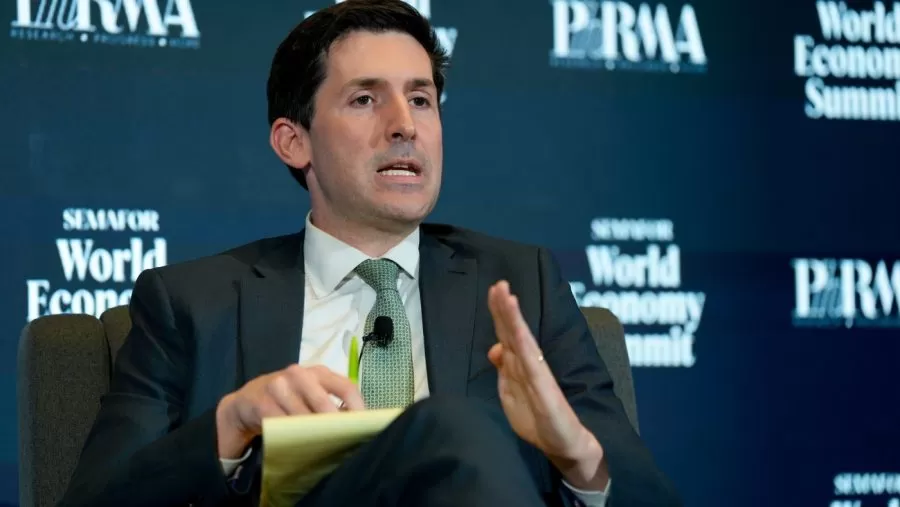
Ryanair's CFO, Neil Sorahan, has issued a sobering warning, painting a grim picture for the aviation industry. With skyrocketing jet fuel prices fueled by geopolitical tensions, many smaller airlines face an existential crisis.
You know, there are moments when even the most seasoned executives in an industry known for its ups and downs pause and issue a genuinely stark warning. Well, Neil Sorahan, the astute Chief Financial Officer over at Ryanair, has just done exactly that. He's not just talking about headwinds; he’s peering into the not-too-distant future and seeing what he’s boldly called "airline Armageddon." It's a phrase designed to grab your attention, and frankly, it absolutely should.
What’s got him so worried, you ask? Primarily, it’s the relentless surge in jet fuel prices, a cost that, let’s be honest, dictates so much of an airline’s operational budget. For quite a while now, we've seen this slow, creeping climb, but recent geopolitical events – specifically the simmering tensions and the very real prospect of broader conflict in crucial oil-producing regions, like those associated with the hypothetical 'Iran war' mentioned in the original context – are now pushing these prices into truly stratospheric territory. It’s not just a minor bump in expenses anymore; it’s becoming a fundamental threat to the economic viability of flight itself for many.
Think about it: jet fuel isn't some minor line item. It's often the single largest variable cost for an airline, sometimes accounting for upwards of 30-40% of their outgoings. When that particular expense skyrockets, the domino effect is almost immediate and utterly brutal. Suddenly, routes that were marginally profitable become loss-makers overnight. Airlines find themselves in a terrible bind: absorb the costs and bleed cash, or pass them onto passengers, risking a drop in demand for already stretched household budgets.
Sorahan’s "Armageddon" isn't hyperbole for the sake of it. He’s envisioning a scenario where the less robust, often smaller and regional carriers, simply can't weather the storm. Their balance sheets aren't strong enough, their hedging strategies perhaps not as comprehensive as the giants, and their access to capital less forgiving. We could, tragically, see a wave of airline bankruptcies, consolidations, and a significant reduction in choice for travelers. Imagine fewer routes, less frequent flights, and ultimately, higher prices for everyone still able to fly.
Even a behemoth like Ryanair, known for its ultra-low-cost model and formidable financial discipline, isn't immune. While they might be better positioned than many, perhaps thanks to shrewd fuel hedging agreements made months or even a year in advance, even they feel the squeeze. The pressure on margins becomes immense, forcing even the most efficient operators to rethink their strategies, potentially impacting their growth plans and their ability to keep fares as low as passengers have come to expect.
So, what’s the takeaway here? It's a stark reminder that the world of aviation is incredibly sensitive to global events. Geopolitical instability, particularly in regions vital for energy supply, has immediate and far-reaching consequences, extending far beyond the immediate conflict zones. For those of us who cherish accessible air travel, Sorahan's warning serves as a sobering bellwether, suggesting that the skies ahead might be far more turbulent and expensive than we've grown accustomed to.
Editorial note: Nishadil may use AI assistance for news drafting and formatting. Readers can report issues from this page, and material corrections are reviewed under our editorial standards.