The Silent Witness: How a Black Bag Unraveled a Honeymoon Murder in Meghalaya
- Nishadil
- December 20, 2025
- 0 Comments
- 3 minutes read
- 45 Views
- Save
- Follow Topic

A Black Trolley Bag: The Unlikely Key That Unlocked Meghalaya's Honeymoon Murder Mystery
The curious case of Amarendra Rana's murder during his honeymoon in Meghalaya was cracked by a single, seemingly innocuous black trolley bag. This is the story of how an ordinary object became a silent witness, exposing a web of deceit, betrayal, and a meticulously planned crime.
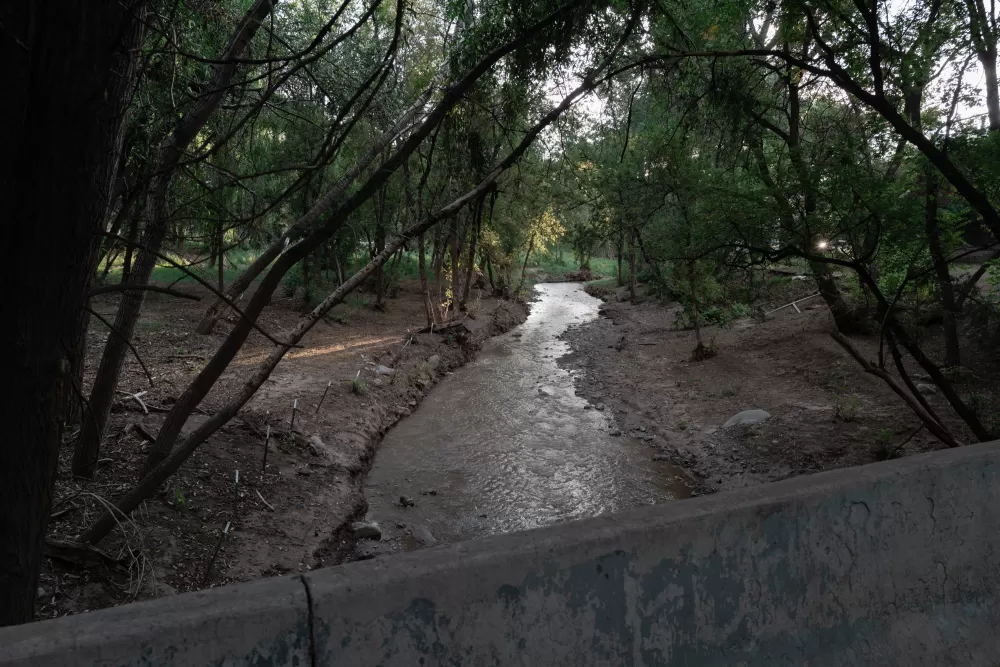
Imagine, if you will, the majestic, mist-shrouded gorges of Sohra, better known as Cherrapunji, in Meghalaya. It’s a place of breathtaking beauty, a dream destination for many a newlywed couple. But for one particular pair, a honeymoon amidst these stunning vistas morphed into a chilling tableau of deception and ultimately, murder. And at the heart of unraveling this dark tale was something incredibly mundane: a black trolley bag.
The story begins, as many tragedies do, with a frantic call. Amarendra Rana, a husband on his honeymoon, was reported missing, then tragically found dead in a deep gorge. His wife, Nabarun Bhattacharya, painted a picture of a terrible accident – a misstep while capturing a selfie, a sudden, fatal plunge. It’s a narrative that, in such treacherous terrain, might have been accepted without much question. After all, accidents happen, especially in places that demand caution.
But the police, seasoned investigators accustomed to looking beyond the surface, felt a flicker of unease. Something just didn't quite add up. Perhaps it was the wife's shifting accounts, a detail here, a contradiction there. Or maybe it was that gut feeling that only comes with years of experience. They knew they needed more than a plausible story; they needed facts, tangible evidence that could either confirm the accident or, far more unsettlingly, point to something sinister.
And that's precisely where our humble black trolley bag enters the scene. This wasn't just any piece of luggage. It contained Amarendra's belongings – a laptop, some documents, personal effects. Crucially, it was discovered perched precariously on a ledge, significantly above where his body had been found. Think about that for a moment: if Amarendra had truly fallen from that very spot, how could his bag, packed with his possessions, have remained neatly on the ledge? It defied logic, gravity, and the very laws of physics, really.
This single, glaring inconsistency transformed the entire investigation. The bag, silent and unassuming, became an eloquent witness, screaming foul play. It was the crack in Nabarun's carefully constructed narrative, the tiny imperfection that exposed a much darker truth. The police quickly realized that the story of an accidental fall was, to put it mildly, a fabrication. Her changing statements, which had initially raised eyebrows, now seemed like desperate attempts to cover up a heinous crime.
As the investigation deepened, the layers of deceit began to peel away. What emerged was a chilling plot driven by motives as old as time: money and betrayal. Financial woes, it seemed, had plagued the couple, and whispers of an extramarital affair involving Nabarun and her personal security officer started to surface. The picture became horrifyingly clear: this wasn't an accident; it was a cold, calculated act, planned and executed amidst the stunning backdrop of a honeymoon getaway.
Ultimately, Nabarun Bhattacharya confessed to pushing her husband into the gorge. The black trolley bag, an ordinary item packed for a romantic trip, had silently borne witness to the truth, providing the crucial physical evidence that broke the case wide open. Both Nabarun and her alleged lover were subsequently arrested. It's a stark reminder that even in the most picturesque settings, evil can lurk, and sometimes, the most unexpected objects hold the key to unlocking the darkest secrets.
Editorial note: Nishadil may use AI assistance for news drafting and formatting. Readers can report issues from this page, and material corrections are reviewed under our editorial standards.