The Silent Squeeze: Unpacking America's Affordability Challenge
- Nishadil
- December 31, 2025
- 0 Comments
- 3 minutes read
- 53 Views
- Save
- Follow Topic

When Everyday Life Becomes a Luxury: Pinpointing the Roots of the Affordability Crisis
This article explores the growing affordability crisis affecting American families, arguing that excessive government regulation and spending contribute to rising costs in essential areas like healthcare and housing, and highlights proposed solutions.
There’s a quiet, gnawing worry that many American families carry these days, isn't there? It’s that feeling of always running just a little bit behind, no matter how hard you work. You see the grocery bill climb, the rent keeps going up, and frankly, the cost of just about everything seems to be on an upward trajectory. It’s a persistent kind of stress, a deep breath taken when checking bank balances, and it defines what many now call the affordability crisis.
This isn’t just about luxuries; oh no. We're talking about the essentials, the very fabric of daily life. Healthcare? Astronomical. A decent home to raise your kids in? Often out of reach. College education, or even quality childcare? They demand a significant chunk of your earnings. For so many, the American dream feels less like a dream and more like a never-ending financial treadmill, where the goalposts keep moving further away.
Now, when you try to figure out why things feel so expensive, especially when wages aren't always keeping pace, different perspectives emerge. Back in the day, some pretty influential voices, including then-Speaker of the House Paul Ryan, pointed a very clear finger. Their argument? A lot of this financial squeeze isn't an accident or some unavoidable economic law; it's a direct consequence of government overreach. Think about it: excessive regulation, mandates, and a seemingly endless expansion of federal programs, all of which, they argued, add layers of cost that eventually trickle down to you and me.
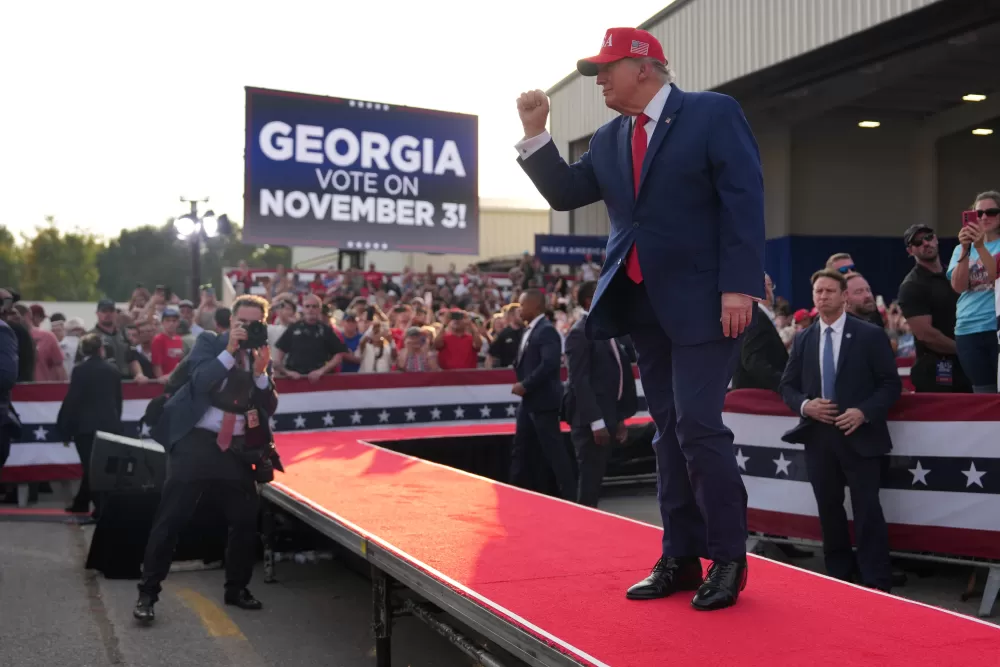
Against this backdrop, the argument was made that President Trump was stepping up to confront this head-on. The idea wasn't to throw more government money at the problem, but rather to peel back what was seen as burdensome government interference. The belief was that by dismantling unnecessary regulations and allowing businesses more freedom, costs would naturally come down, and the economy would flourish, creating more opportunities for everyone.
Consider the specifics: a major push for deregulation, particularly in areas impacting energy and manufacturing, was championed as a way to reduce operational costs for businesses, theoretically leading to lower prices for consumers. Then there were the tax cuts. The thought process here was pretty straightforward: put more money back into the pockets of businesses and families alike. Businesses could then invest, expand, and hire, while families would simply have more disposable income to help navigate those ever-rising costs of living.
Ultimately, the perspective articulated by figures like Ryan suggested a fundamental shift: instead of top-down governmental fixes, the real solution lay in fostering a vibrant, less constrained economy. It was about creating an environment where jobs were plentiful, wages could genuinely grow, and the market itself could drive down prices without the heavy hand of bureaucracy adding extra charges. In essence, it aimed to put affordability back within reach, not through new programs, but by getting out of the way and letting people keep more of what they earned.
It’s a deeply felt concern, this struggle with affordability, and the debate over its causes and cures continues to be central to our national conversation. Whether it’s healthcare, housing, or simply the everyday cost of living, understanding these different viewpoints on how we got here, and where we might go, is absolutely crucial for finding paths forward.
Editorial note: Nishadil may use AI assistance for news drafting and formatting. Readers can report issues from this page, and material corrections are reviewed under our editorial standards.