
The Silent Battle: When Oil Bosses Warned Trump's Venezuela Policy Was 'Uninvestable'
- Nishadil
- January 11, 2026
- 0 Comments
- 3 minutes read
- 97 Views
- Save
- Follow Topic
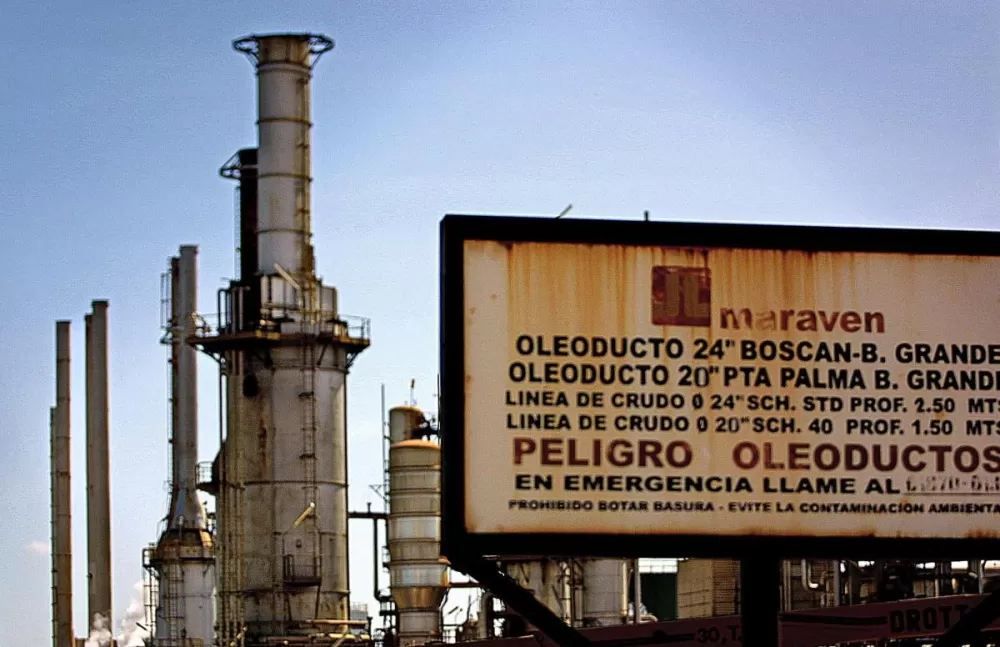
U.S. Oil Industry's Billion-Dollar Concerns Reportedly Softened Trump's Venezuela Stance
Behind closed doors, powerful U.S. oil executives reportedly voiced serious concerns to the Trump administration, arguing that aggressive moves against Venezuela could render their vast investments 'uninvestable' and lead to significant losses.
Remember when the Trump administration was really pushing hard on Venezuela? It felt like every other day there was a new sanction, a new declaration against Nicolás Maduro. Well, behind the scenes, away from the public eye, some incredibly powerful voices were raising serious alarms – and they weren't coming from the usual places.
It turns out, America's very own oil industry, with billions of dollars tied up in Venezuelan crude and infrastructure, was profoundly uneasy. They weren't exactly lining up to applaud the administration's aggressive tactics. In fact, many were whispering – and sometimes shouting – that the whole approach was backfiring, potentially turning Venezuela into an 'uninvestable' black hole for their assets.
Think about it: you've got companies like Chevron, the largest U.S. oil producer still operating there, or Valero, which owns refineries designed specifically to process that heavy Venezuelan crude. These aren't small players, not by a long shot. They've invested massive sums over decades. For them, the prospect of an abrupt, chaotic regime change wasn't just a political ideal; it was a direct threat to their balance sheets. A sudden collapse or a forced nationalization – a term that sends shivers down any oil executive's spine – could mean losing everything overnight, with little to no hope of compensation.
Their argument was simple, if a bit uncomfortable for the hardliners: stability, even if it meant a slower, more managed transition away from Maduro. They advocated for a path that prioritized protecting existing investments and ensuring a predictable, legal framework for any future changes. Essentially, they wanted to safeguard their assets, not gamble them on a swift, uncertain political upheaval.
This put key figures in the administration – people like Special Envoy Elliott Abrams, Secretary of State Mike Pompeo, and Treasury Secretary Steven Mnuchin – in a real bind. On one hand, they were committed to their maximum pressure campaign, believing it was the fastest way to restore democracy. On the other, they couldn't simply ignore the very real economic concerns of a major American industry, especially one with such geopolitical clout.
The net effect? Well, it certainly felt like a bit of a setback for the most hawkish elements. The pressure from these oil giants undeniably introduced a note of caution into the policy discussions. While the Trump administration never fully abandoned its hardline stance, this internal lobbying effort undoubtedly shaped the pace and intensity of certain actions, perhaps even influencing the timing and scope of some sanctions. It highlighted that even when the political will is strong, economic realities and powerful vested interests often introduce a complex layer of pragmatism – or perhaps, self-interest – into foreign policy decisions.
It's a classic example, really, of how economic interests can sometimes clash with political objectives on the world stage, making foreign policy a far more intricate dance than it often appears from the outside. The desire for democracy is strong, but so is the desire to protect billions in assets.
Editorial note: Nishadil may use AI assistance for news drafting and formatting. Readers can report issues from this page, and material corrections are reviewed under our editorial standards.













