
The Shifting Sands of Silicon: Navigating the Semiconductor Industry's Future
- Nishadil
- December 31, 2025
- 0 Comments
- 3 minutes read
- 94 Views
- Save
- Follow Topic
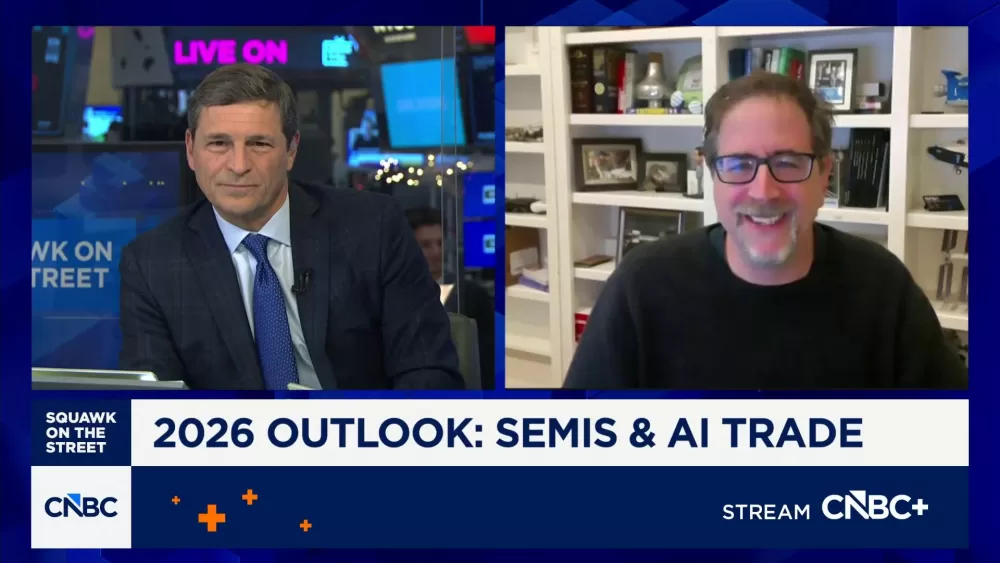
Bernstein's Stacy Rasgon Unpacks the Semiconductor Rollercoaster: AI Hype vs. Reality
In a candid chat, Bernstein's semiconductor maestro, Stacy Rasgon, dissects the intricate dance between soaring AI demand and the underlying market fundamentals, offering a nuanced perspective on where the silicon chips are truly falling.
There’s a buzz in the air, isn’t there? Especially when it comes to the tech world, and more specifically, the very foundational bedrock of it all: semiconductors. Recently, we had the distinct pleasure of catching up with Stacy Rasgon, that sharp mind from Bernstein Research, who truly knows his way around the silicon landscape. It was one of those conversations that leaves you thinking, offering far more than just surface-level analysis.
Of course, you can’t talk about semiconductors these days without immediately diving headfirst into the artificial intelligence phenomenon. It's the elephant in every room, driving what some might call an unprecedented demand surge. Rasgon, always one to temper the hype with a dose of reality, acknowledges the undeniable tailwind AI provides. We're seeing enormous capital expenditure, particularly from hyperscalers, all scrambling to build out the infrastructure needed for this brave new AI world. It's certainly a powerful force, reshaping priorities across the industry, but he reminds us that it’s crucial to look beyond the immediate frenzy.
So, what exactly lies beyond that dazzling AI spotlight? Well, according to Rasgon, the picture gets a bit more complex, a little more textured. While AI chips are undoubtedly hot, other segments aren't necessarily experiencing the same explosive growth. Think about the broader consumer electronics market – PCs, smartphones – they've been navigating some choppier waters lately. And industrial applications, while stable, aren't setting the world on fire either. It’s a bit of a bifurcated market, really, where one segment is roaring ahead while others are perhaps just quietly chugging along or even consolidating after prior surges.
Naturally, no discussion of semiconductors is complete without touching on the myriad challenges that constantly lurk. Supply chain intricacies, for instance, remain a persistent puzzle, though perhaps not as acute as during the pandemic peaks. Then there are the geopolitical currents, particularly around U.S.-China relations, which always add a layer of uncertainty, influencing everything from manufacturing locations to export controls. These aren't just abstract issues; they directly impact investment decisions and long-term strategic planning for these colossal chipmakers. It's a game of chess, really, played on a global scale.
When pressed on specific companies, Rasgon tends to emphasize the underlying market dynamics rather than just chasing the latest headline. He often points out that even the most dominant players aren't immune to cycles, and valuation always, always, plays a critical role. The industry's cyclical nature means that today’s darlings could face tomorrow’s headwinds, and vice versa. It’s a constant balancing act for investors, trying to discern sustainable growth from transient trends, and understanding where real value truly resides amidst all the noise.
Looking ahead, Rasgon encourages a balanced, almost cautious optimism. The innovation pipeline in semiconductors is undeniably robust, fueled by AI and the ever-growing need for more processing power. However, he advises watching for signs of oversupply in certain areas, keeping an eye on capital expenditure moderation, and understanding the broader macroeconomic climate. It’s not just about what chips can do, but also about the underlying demand and the fundamental economics. Ultimately, his message often boils down to this: stay vigilant, do your homework, and don't get swept away by the latest wave without understanding its true depth.
- UnitedStatesOfAmerica
- Business
- News
- Technology
- BusinessNews
- Markets
- StockMarkets
- SupplyChain
- AiChips
- InvestmentStrategy
- DowJonesIndustrialAverage
- SP500Index
- MarketCycles
- SemiconductorIndustry
- NvidiaCorp
- Neutral
- BreakingNewsMarkets
- BreakingNewsInvesting
- TechMarket
- TechnologyTrends
- GeopoliticalImpact
- BreakingNewsTechnology
- Chipmakers
- NasdaqComposite
- Silicon
- BroadcomInc
- CnbcInterview
- StacyRasgon
- BernsteinResearch
Editorial note: Nishadil may use AI assistance for news drafting and formatting. Readers can report issues from this page, and material corrections are reviewed under our editorial standards.













