The Shifting Sands of Power: India's Federal Dilemma
- Nishadil
- April 17, 2026
- 0 Comments
- 4 minutes read
- 40 Views
- Save
- Follow Topic
Is India's Federal Fabric Fraying Under the Weight of Single-Party Dominance?
India's unique federal structure, designed to balance central authority with state autonomy, faces growing scrutiny. Many are asking whether the increasing dominance of a single national party is subtly, yet profoundly, reshaping this delicate equilibrium, potentially eroding the very spirit of cooperative governance.
At its heart, India is a magnificent tapestry woven from countless distinct threads – cultures, languages, traditions, and diverse regional aspirations. Our federal system, a truly remarkable construct, was always meant to be the loom that held these threads together, ensuring unity while celebrating incredible diversity. It’s a dynamic dance, really, between the central government and the individual states, each with their own powers and responsibilities. But lately, there's been a growing murmur of concern, a quiet unease suggesting that this delicate balance might be tilting rather significantly, perhaps even dangerously, under the pervasive influence of single-party dominance at the national level.
Now, to be clear, India's federalism has always been described as 'quasi-federal,' leaning a bit more towards the Centre. Our Constitution builders, ever mindful of the partition and the need for a strong nation, certainly ensured that. Yet, the spirit was always one of cooperation, of dialogue, of states having a genuine say in matters that affect their populace. The current political landscape, however, paints a somewhat different picture. When one party holds substantial, even overwhelming, power at the Centre, it inevitably raises questions about the health of this federal partnership. Are we witnessing a subtle, yet undeniable, centralization of authority, potentially at the expense of robust state autonomy?
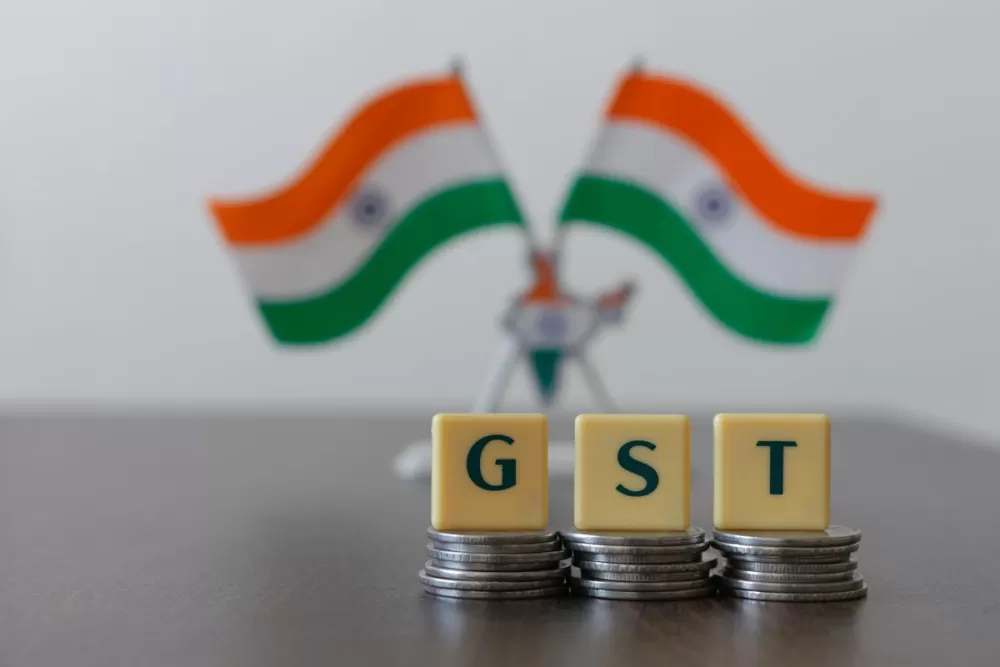
One of the most immediate and impactful areas where this shift is felt is, without a doubt, financial autonomy. Money, after all, often dictates power. With the introduction of the Goods and Services Tax (GST), while aiming for economic unification, states lost a significant portion of their independent revenue-generating capacity. Now, they're often left more reliant on central grants and their share of taxes, often accompanied by strings attached in the form of centrally sponsored schemes. This can sometimes feel less like a partnership and more like a dependency, leaving states with less fiscal elbow room to address their unique local needs and priorities. The old adage 'he who pays the piper calls the tune' feels particularly poignant here.
Beyond the purse strings, there are tangible concerns about legislative and administrative encroachment. The Centre, it seems, has become increasingly proactive in legislating on subjects that traditionally fall under the state or concurrent lists, sometimes even circumventing established procedures. Think of 'model' laws pushed by the Centre, which states are often pressured to adopt, effectively standardizing policy across diverse regions rather than allowing for local adaptation. And then, of course, there's the ever-contentious role of the Governor – a central appointee whose actions can sometimes be perceived as serving central interests over those of the elected state government, leading to friction and distrust.
Ultimately, what's at stake here is the very spirit of cooperative federalism that our nation needs to thrive. A healthy federal system isn't just about dividing powers on paper; it's about mutual respect, genuine consultation, and a recognition of the unique challenges and strengths of each constituent unit. When this spirit erodes, when dialogue gives way to diktat, and when states feel their voices are being marginalized, it can sow seeds of resentment and undermine the foundational trust upon which our diverse democracy rests. A strong Centre is important, yes, but equally vital is strong, empowered states that can truly represent and serve their people.
For a country as incredibly diverse as India, a robust federal structure isn't merely an administrative convenience; it's a democratic imperative. It ensures that local issues get local solutions, that regional aspirations find their voice, and that no single worldview dominates the vast mosaic of our nation. As we navigate the complexities of modern governance, it becomes crucial for all stakeholders – the Centre, the states, the judiciary, and indeed, the citizens themselves – to remain vigilant and advocate for a balanced, cooperative federalism that truly reflects the spirit of our Constitution and safeguards the vibrant diversity of India. Otherwise, we risk dulling the very shine of our democratic fabric.
Editorial note: Nishadil may use AI assistance for news drafting and formatting. Readers can report issues from this page, and material corrections are reviewed under our editorial standards.