The Shifting Sands of Diplomacy: Do Talks with Iran Mean Peace, or Just Another Precipice?
- Nishadil
- March 31, 2026
- 0 Comments
- 4 minutes read
- 27 Views
- Save
- Follow Topic

Is a Deal With Iran Around the Corner, or is Regional Tensions About to Flare Up?
The world watches as talks with Iran unfold, aiming to revive the 2015 nuclear deal. But depending on who you ask, these negotiations are either the path to peace or a dangerous gamble, highlighting a profound schism in how nations perceive Iran's intentions and the best way forward.
It's a question that hangs heavy in the air, stirring anxieties and hopes in equal measure: Are the ongoing diplomatic efforts truly about ending the simmering conflict with Iran? Or, perhaps, are we simply setting the stage for yet another, potentially more volatile, chapter? The answer, as is often the case in the labyrinthine world of Middle East politics, depends entirely on who you ask and from which vantage point they view the delicate dance of negotiation.
On one side, you have the United States and its European allies – a coalition that generally views the potential revival of the 2015 nuclear accord, often called the JCPOA, as the most viable route to preventing Tehran from acquiring nuclear weapons. For them, it's about re-establishing international oversight, curtailing uranium enrichment, and effectively rolling back Iran's nuclear program to acceptable levels. They see diplomacy, even with all its frustrations and imperfections, as the only realistic path to de-escalation, believing that a nuclear-armed Iran presents an existential threat that must be addressed through negotiation rather than confrontation.
Yet, swing the pendulum to the other side of the regional spectrum, and you encounter a starkly different, far more cynical perspective. For nations like Israel, Saudi Arabia, and the United Arab Emirates, these very same talks are not a solution but rather a perilous concession. From their vantage point, re-entering the JCPOA without addressing Iran's broader regional destabilizing activities – its ballistic missile program, its support for proxies like Hezbollah in Lebanon or the Houthis in Yemen – is akin to offering an arsonist a new lighter while ignoring the wildfires he's already set. They fear that lifting sanctions will only empower Iran financially, allowing it to double down on its malign regional agenda, pushing the entire Middle East closer to the brink.
Indeed, Israeli officials, speaking with a palpable sense of urgency and frustration, often voice a profound distrust of the diplomatic process itself. They contend that a renewed deal would simply grant Iran legitimacy and resources, making the region even more volatile. They point to Tehran's consistent provocations and its deepening ties with proxy groups as evidence that its true intentions are far from peaceful, regardless of any nuclear commitments it might make. For them, the specter of a nuclear Iran, even if delayed by a deal, remains a gnawing anxiety.
The Biden administration, caught in the middle of these competing visions, has consistently maintained that while diplomacy remains its preferred course, all options — including military ones — remain on the table should Iran pursue nuclear weapons. It's a careful tightrope walk, aimed at reassuring skeptical allies while still pushing for a diplomatic breakthrough. Iran, for its part, demands comprehensive sanctions relief and concrete guarantees that any future U.S. administration won't unilaterally abandon the deal again, as happened under the Trump administration. These demands have proven to be significant sticking points, further complicating an already complex negotiation.
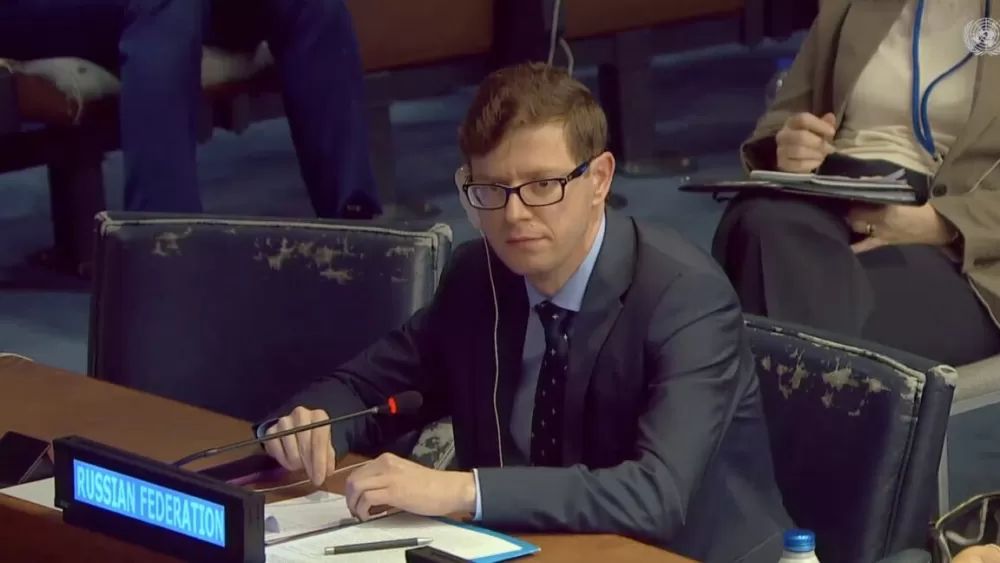
And let's not forget the recent curveball thrown by Russia's invasion of Ukraine. Suddenly, a key participant in the Iran nuclear talks, Russia, started making demands that seemed to serve its own geopolitical interests related to the Ukraine conflict, briefly stalling progress. This unexpected wrinkle only underscored the intricate web of global politics that influences even seemingly bilateral or regional discussions. The world of energy, too, plays a role; bringing Iranian oil back to market could potentially help ease global energy prices, adding another layer of strategic calculation to the mix.
Ultimately, the core of the disagreement boils down to a fundamental question of trust and threat perception. Is a deal, however imperfect, the best way to contain a nuclear threat, buying time and preventing outright conflict? Or is it a dangerous illusion, one that emboldens a problematic regime and paves the way for greater instability? As diplomats continue their arduous work, navigating these profound differences, the Middle East, and indeed the world, waits with bated breath to see which narrative will ultimately prevail.
Editorial note: Nishadil may use AI assistance for news drafting and formatting. Readers can report issues from this page, and material corrections are reviewed under our editorial standards.