
The Shifting Sands of Cannabis Justice: Fewer Arrests, Yet Old Shadows Linger
- Nishadil
- April 21, 2026
- 0 Comments
- 3 minutes read
- 32 Views
- Save
- Follow Topic
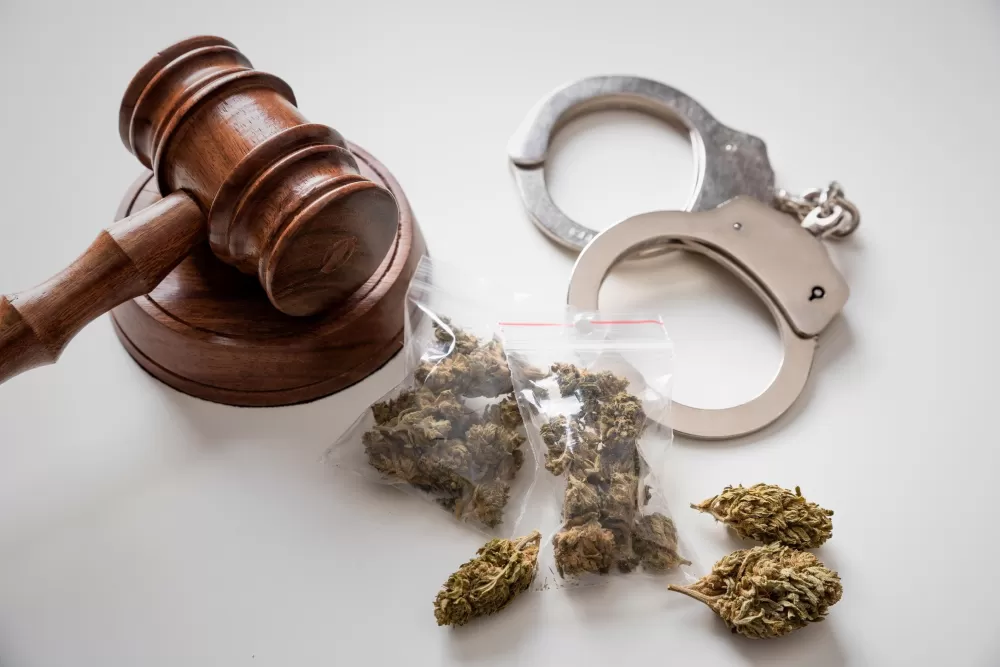
Cannabis Arrests Are Plummeting Nationwide, But Let's Not Ignore the Stubborn Inequities
While good news abounds with a significant drop in marijuana-related arrests across the U.S., a closer look reveals persistent and troubling disparities that underscore the ongoing fight for true cannabis justice.
Alright, so here's some genuinely encouraging news we've all been waiting to hear: across the United States, arrests for cannabis-related offenses are actually falling, and falling pretty dramatically at that. It’s a trend that really highlights the monumental shift in how we, as a society, are thinking about marijuana. You know, just a few decades ago, the idea of widespread decriminalization or even full legalization felt like a distant pipe dream for many advocates, but here we are.
This isn't just a happy accident; it's a direct result of a whole lot of hard work and evolving perspectives. We've seen state after state take legislative action, moving away from prohibitionist policies. Whether it's full-blown recreational legalization, medical cannabis programs, or just plain decriminalization, these changes are clearly having an impact on the ground. People aren't being swept into the criminal justice system for simple possession quite like they used to be, and that's a significant win for countless individuals and families.
But—and there’s always a 'but,' isn't there?—while the overall numbers paint a picture of progress, a deeper dive reveals some rather stark and uncomfortable truths. It turns out that this positive trend isn't benefiting everyone equally. Sadly, persistent disparities continue to plague the system, reminding us that even as the legal landscape shifts, old biases and systemic issues can be incredibly stubborn.
Here’s the kicker: even in places where cannabis is now perfectly legal for adults, we're still seeing disproportionate arrest rates, particularly affecting communities of color. It's a bitter pill to swallow, knowing that while some can freely purchase and consume cannabis, others are still being targeted and facing legal repercussions for similar actions, often due to nothing more than the color of their skin. This racial injustice isn't just an unfortunate byproduct; it’s a glaring flaw in our pursuit of equitable reform.
Then there's the geographical lottery, so to speak. Depending on which state line you cross, your encounter with cannabis could range from a casual transaction at a dispensary to a serious criminal charge. The U.S. remains a patchwork quilt of different laws, meaning the nationwide decline in arrests isn't uniform. Some states are still clinging tightly to strict prohibition, contributing to ongoing arrests while others embrace a more liberal approach. It creates a dizzying, often unfair, situation for citizens just trying to navigate these varied rules.
So, what does all this mean? It means we've made incredible strides, absolutely. The reduction in cannabis arrests is a testament to the power of advocacy and the gradual, but definite, shift in public opinion. However, the fight for true cannabis justice isn't over. We can't simply celebrate the good news without also acknowledging the deep-seated inequalities that still need to be addressed. Achieving real equity means ensuring that the benefits of cannabis reform reach everyone, not just a select few, and that means continuing to push for policy changes that dismantle these lingering disparities, one community at a time.
- Entertainment
- UnitedStatesOfAmerica
- News
- EntertainmentNews
- Decriminalization
- CriminalJustice
- CannabisLegalization
- SocialEquity
- StateLaws
- DrugPolicy
- RacialDisparities
- CannabisReform
- CannabisLegalizationImpact
- CannabisArrests
- MarijuanaArrests
- CannabisCriminalJusticeTrends
- CannabisArrestStatistics2025
- USDrugPolicyReform
- MarijuanaLegalizationStates
- FbiCrimeDataCannabis
- WeedArrests
- CannabisJustice
Editorial note: Nishadil may use AI assistance for news drafting and formatting. Readers can report issues from this page, and material corrections are reviewed under our editorial standards.












