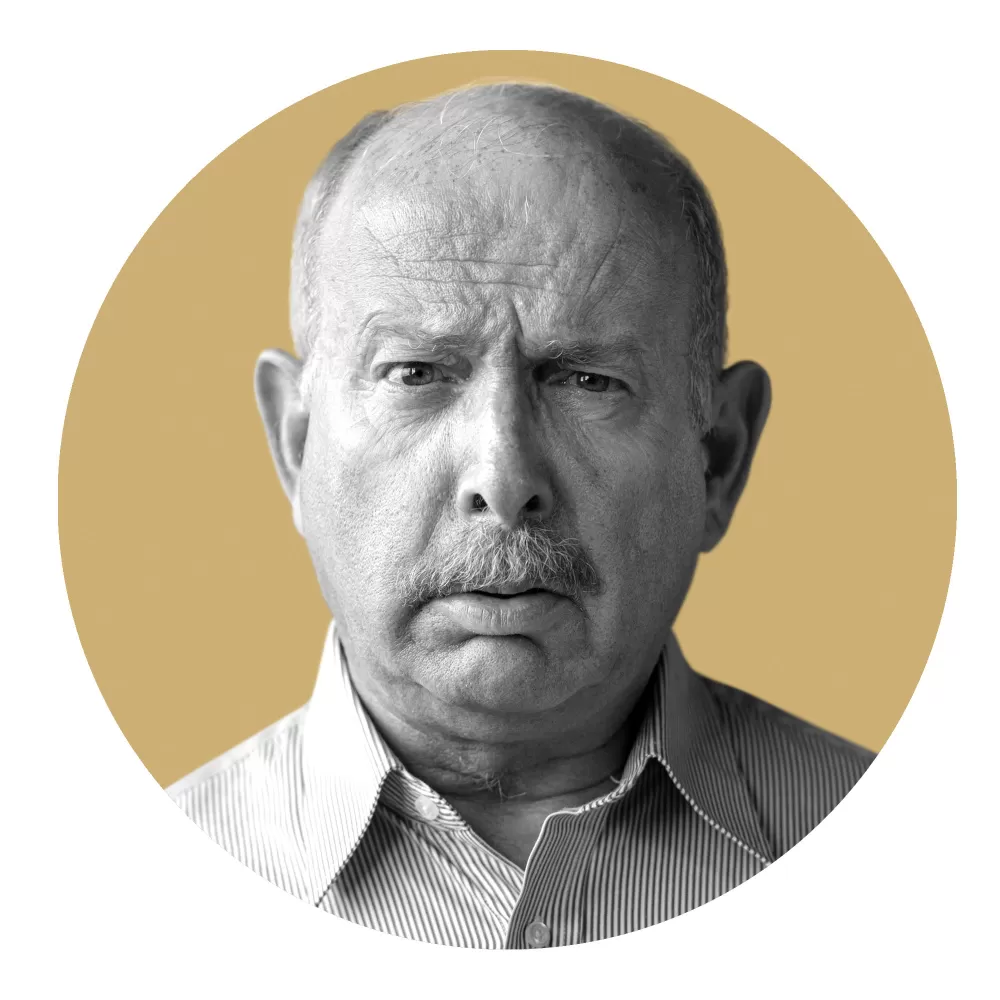
The Shadowy Signal: Pete Hegseth, Classified Yemen Strike Details, and the Trump White House
- Nishadil
- December 04, 2025
- 0 Comments
- 3 minutes read
- 61 Views
- Save
- Follow Topic

Fox Host Pete Hegseth Under Fire for Allegedly Sharing Classified Yemen Strike Info with Trump
Fresh scrutiny surrounds Fox News's Pete Hegseth following reports he allegedly relayed highly sensitive details of a US military operation in Yemen to then-President Donald Trump via the Signal app, raising serious questions about national security protocols and unauthorized information sharing.
Well, here we go again, it seems. The spotlight is once more shining brightly, and perhaps uncomfortably, on Fox News personality Pete Hegseth, this time concerning some truly sensitive information from the early days of the Trump administration. New revelations suggest Hegseth, known for his vocal support of Donald Trump and his military background, might have been privy to – and allegedly shared – highly classified details about a critical US military strike in Yemen. And not just any details, mind you, but specifics that really should have stayed under wraps, certainly until official channels were ready.
Imagine this: an operation called "Wolverine," a high-stakes raid against al-Qaeda in the Arabian Peninsula back in January 2017. Before the Pentagon could even make its official announcement, sensitive information about the mission – think specific numbers of special operations forces involved, or even the injury count from the raid – was apparently making its way to then-President Trump. And the alleged conduit for this rather extraordinary information? None other than Pete Hegseth, reportedly using the encrypted messaging app Signal. Now, that's quite a bombshell, isn't it?
Here's the rub: at that precise moment in time, Hegseth held no formal position within the government. He wasn't a Pentagon official, nor was he a White House staffer with a direct need-to-know. He was, to put it plainly, a TV commentator. This immediately begs the question: how did he come by such classified information in the first place? And more critically, what does it mean for national security when sensitive operational data potentially bypasses established intelligence and command structures, finding its way to the President through an unofficial, outside channel?
It's no secret that Hegseth has long cultivated a close relationship with Donald Trump, even openly campaigning for various roles within the administration – everything from Secretary of Veterans Affairs to a post in the Pentagon. His name often popped up as a potential contender for significant positions, underscoring his influence and access. This pre-existing connection, while perhaps explaining why he might have been a go-between, only intensifies the concerns surrounding the alleged sharing of classified details. It blurs lines between media, personal relationships, and national security in a way that feels… well, a bit unsettling, to say the least.
This whole situation isn't just speculation; it stems from investigative journalist Michael Schmidt’s book, "Donald Trump v. The United States." Schmidt's work paints a picture of a White House where information flowed in unconventional ways, and this alleged incident involving Hegseth serves as a stark example. It highlights a critical vulnerability, really, suggesting that the integrity of classified information might have been compromised, not by a foreign adversary, but by internal, informal channels. It makes one ponder the delicate balance between trust, access, and the absolute necessity of safeguarding our nation's most critical secrets.
Ultimately, the renewed scrutiny on Pete Hegseth and this particular incident isn't just about one person or one conversation. It’s a broader conversation about how classified intelligence is handled, who gets access, and the profound implications when those lines become blurred. It’s a reminder that in matters of national defense, proper protocols aren't just bureaucratic red tape; they're essential safeguards for the lives of our service members and the security of the nation.
Editorial note: Nishadil may use AI assistance for news drafting and formatting. Readers can report issues from this page, and material corrections are reviewed under our editorial standards.