
The Shadow of Distrust: Iran-US Ceasefire Talks Grind to a Familiar Halt
- Nishadil
- April 22, 2026
- 0 Comments
- 3 minutes read
- 27 Views
- Save
- Follow Topic
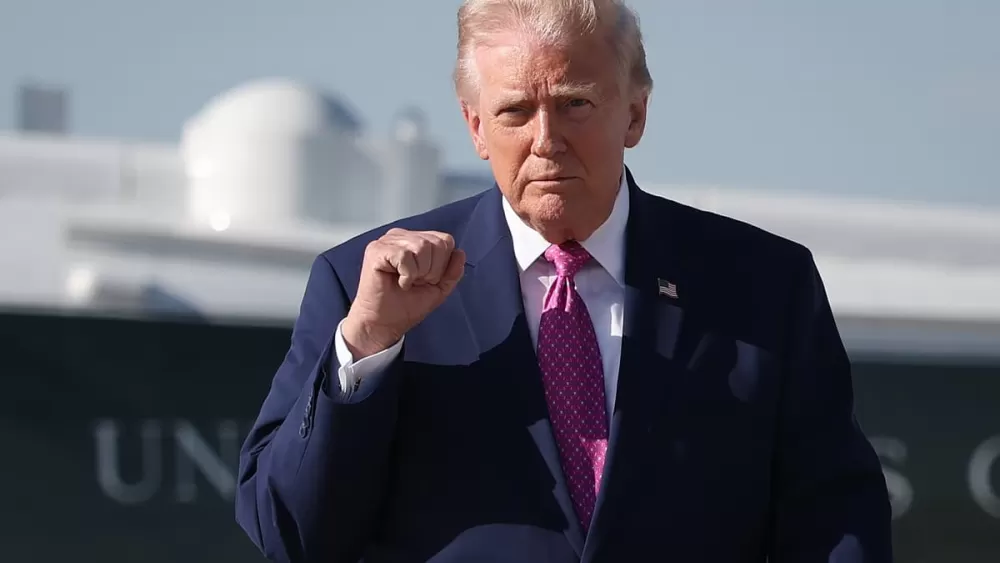
Geneva Impasse: Iran-US Ceasefire Negotiations Stalemate Amidst Lingering Mistrust
Hope for a breakthrough in Iran-US ceasefire talks has faded once again, as negotiations in Geneva concluded without progress. Deep-seated mistrust and irreconcilable demands, rooted in past policies, continue to plague efforts towards regional stability.
Geneva, Switzerland – Another round of high-stakes ceasefire talks between the United States and Iran has collapsed, leaving behind a familiar bitter taste of diplomatic failure. The air in the usually bustling conference halls felt heavy with unspoken frustration as envoys departed, confirming what many had quietly feared: the path to de-escalation remains stubbornly blocked by a wall of entrenched distrust and seemingly unbridgeable demands.
For weeks, there had been a flicker, a tiny spark of optimism that perhaps, just perhaps, this time would be different. Quiet backchannels had reportedly opened, paving the way for these direct talks, aimed at stemming the tide of regional proxy conflicts and stabilizing the volatile Middle East. But alas, history, it seems, has a cruel way of repeating itself. The ghosts of past policies, particularly those from the tumultuous Trump era—the abrupt withdrawal from the nuclear deal, the 'maximum pressure' campaign—continue to cast a long, dark shadow over any genuine attempts at rapprochement.
At the heart of this latest impasse lie the same core issues that have plagued negotiations for years. Tehran adamantly insists on immediate, comprehensive sanctions relief as a precondition for any verifiable commitment to scaling back its nuclear enrichment activities or curbing its regional influence. Washington, meanwhile, demands concrete, irreversible steps from Iran, not just on its nuclear program but also on its ballistic missile development and support for various non-state actors across the Middle East. It's a classic chicken-and-egg scenario, further complicated by a profound lack of faith on both sides regarding the other's true intentions.
One couldn't help but feel a pang of déjà vu watching the weary expressions on the faces of senior diplomats. There’s a palpable exhaustion that comes with perpetually circling the same diplomatic drain. "We present our proposals, they present theirs, and the gulf between us remains vast," an unnamed European negotiator reportedly confided, encapsulating the sheer futility of the recent discussions. It's a deeply human frustration, one that transcends the geopolitical chess match, affecting everyone involved.
The immediate fallout from this stalemate is, predictably, grim. Regional tensions are expected to simmer, if not outright boil over, with proxy conflicts potentially flaring up again in places like Yemen, Iraq, and Syria. The Iranian economy, already reeling under years of sanctions, faces continued hardship, which in turn could fuel internal discontent. For the Biden administration, it's another reminder of the intractable nature of this challenge, highlighting the immense difficulty of disentangling years of animosity.
So, where do we go from here? For now, the answer seems to be nowhere fast. While both sides maintained a facade of openness to future engagement, the immediate prospects for a breakthrough appear bleak. The path to a lasting ceasefire and a stable relationship between Iran and the United States will require a monumental shift in perception and a willingness to compromise that, regrettably, remains elusive. The region, and indeed the world, waits with bated breath for a genuine turning point, hoping it arrives before circumstances spiral even further out of control.
Editorial note: Nishadil may use AI assistance for news drafting and formatting. Readers can report issues from this page, and material corrections are reviewed under our editorial standards.


