
The Shadow of Distrust: Did Trump's Stance Derail Crucial Iran Talks?
- Nishadil
- April 20, 2026
- 0 Comments
- 2 minutes read
- 41 Views
- Save
- Follow Topic
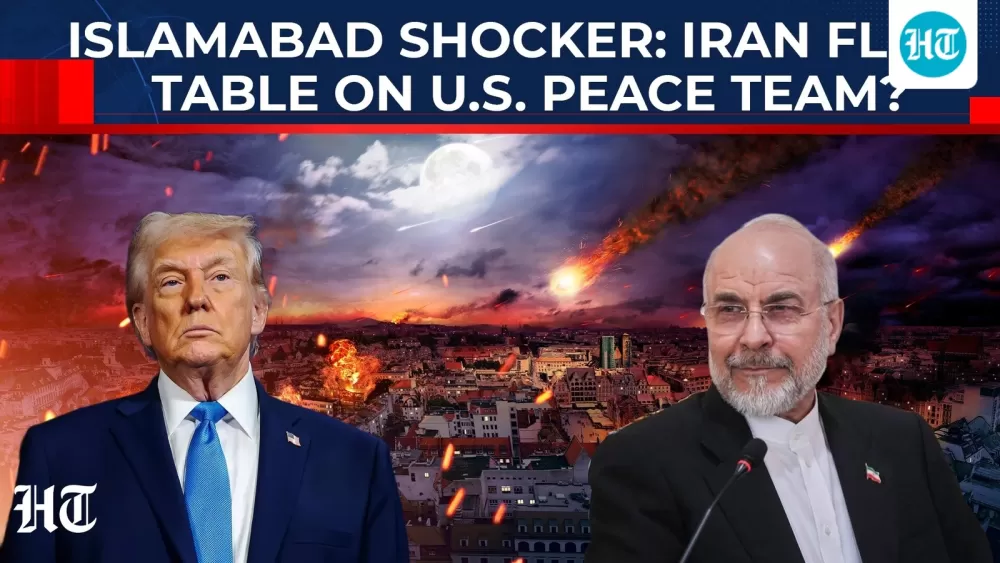
Iran Accuses US of Sabotaging Islamabad Dialogue, Citing '24-Hour Threats' and Deep Mistrust
Tehran openly points fingers at the US, suggesting President Trump's aggressive rhetoric and constant threats effectively scuttled any chance of meaningful diplomatic talks in Islamabad before they even had a proper start, emphasizing a profound lack of trust.
It’s a really thorny situation, isn't it? Just when there was a glimmer – a tiny, fragile hope – of perhaps de-escalating tensions between Iran and the United States through potential talks in Islamabad, Tehran has come forward with some rather pointed accusations. They're openly suggesting that the US, under then-President Trump, effectively torpedoed these nascent diplomatic efforts right from the get-go, largely due to an incessant barrage of threats.
Imagine the scene: Pakistan, acting as a crucial mediator, was trying to pave the way for a dialogue. Islamabad, a potential neutral ground, seemed like a plausible location. Yet, according to Iran, any possibility of constructive engagement was overshadowed by what they described as '24-hour threats' emanating from Washington. It's a significant claim, one that really underscores the deep chasm of distrust that characterized the relationship at that time.
From Iran's perspective, how can you genuinely sit down for serious negotiations, hoping for a breakthrough, when you're constantly under the specter of new sanctions, military posturing, or fiery rhetoric? This isn't just about a disagreement on policy; it's about a fundamental breakdown of trust, a feeling that one side isn't truly interested in dialogue but rather in imposing its will. When a nation openly states it has "no trust," it's a powerful signal, a barrier that's incredibly difficult to overcome, no matter how well-intentioned a mediator might be.
This particular episode highlights a broader pattern of "maximum pressure" tactics employed by the Trump administration. While proponents argued it was necessary to bring Iran to the negotiating table on new terms, critics – and certainly Iran itself – contended that such an approach only pushed diplomacy further out of reach. It created an environment where dialogue felt less like a genuine exchange and more like an ultimatum, which, frankly, isn’t a recipe for success in international relations.
So, the question lingers: did the very strategy designed to force Iran into talks inadvertently kill them before they could even breathe? Iran's stance is unequivocal, pointing a finger directly at the US for creating an impossible atmosphere for diplomacy. It's a stark reminder of how fragile peace efforts can be, especially when overshadowed by historical grievances and ongoing threats, leaving the path to resolution more ambiguous than ever.
- India
- News
- Politics
- PoliticsNews
- TrumpAdministration
- InternationalRelations
- DiplomacyBreakdown
- IranUsRelations
- MaximumPressure
- PakistanMediation
- IslamabadTalks
- HormuzTensionsIranUs
- GhalibafVanceIslamabadTalks
- IranNuclearTalksDispute
- IranUsTalksDistrust
- TrumpThreatIranReaction
- IranCeasefireDeadlineApril22
- UsThreats
- IranMistrust
Editorial note: Nishadil may use AI assistance for news drafting and formatting. Readers can report issues from this page, and material corrections are reviewed under our editorial standards.


