The Secret Power of the Pink Garden Hibiscus: A Natural Ally Against Diabetes, Hypertension, and Cancer
- Nishadil
- June 13, 2026
- 0 Comments
- 4 minutes read
- 10 Views
- Save
- Follow Topic

How a Common Pink Flower Could Become Your Backyard’s Health Hero
Discover why the vibrant pink hibiscus, often overlooked in gardens, is gaining attention for its potential to help manage diabetes, lower blood pressure, and fight cancer.
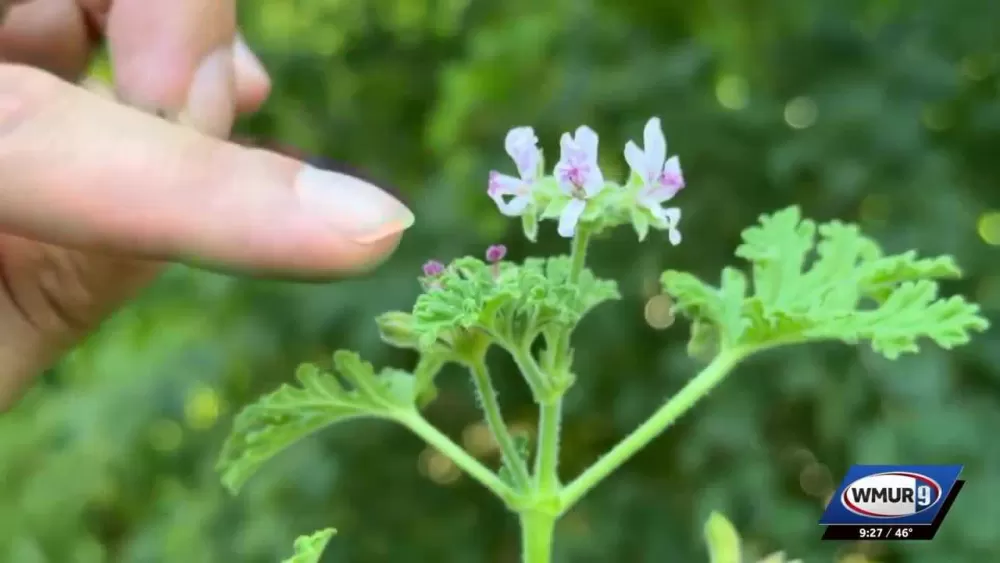
Walk through a typical suburban garden and you’ll probably spot a splash of pink – maybe a rose, a geranium, or that glossy hibiscus blooming beside the fence. Most of us admire the color, snap a quick photo, then move on. What most people don’t realize is that this humble pink hibiscus (Hibiscus rosa‑sinensis) might be packing a health‑boosting punch that rivals some prescription drugs.
First off, let’s set the scene. Hibiscus isn’t just a pretty face; it’s a member of the mallow family, and its petals are rich in anthocyanins – the same pigments that give blueberries their deep hue. These compounds are powerful antioxidants, which means they help neutralise harmful free radicals that can damage cells over time.
Now, you might be thinking, “Antioxidants sound great, but do they actually do anything for real health conditions?” The answer, according to a growing body of research, is a cautious yes. Several small‑scale studies have shown that hibiscus extracts can improve insulin sensitivity – essentially making the body’s cells more responsive to the hormone that regulates blood sugar. For someone battling type‑2 diabetes, even a modest improvement can translate into lower fasting glucose levels and a reduced need for medication.
But the benefits don’t stop at blood sugar. Hibiscus tea – that tangy, ruby‑red brew you might have tried once at a café – has been studied for its impact on blood pressure. In a 2015 meta‑analysis of randomized trials, participants who drank hibiscus tea daily experienced an average drop of about 7 mm Hg systolic and 4 mm Hg diastolic. For many, that’s the difference between borderline hypertension and a reading well within the healthy range.
And then there’s the cancer angle, the one that makes headlines and raises eyebrows. Laboratory experiments have found that hibiscus extracts can trigger apoptosis (that’s a fancy term for programmed cell death) in certain cancer cell lines, including breast and colon cancers. While we’re far from saying hibiscus can replace chemotherapy, the fact that a garden plant shows any anti‑cancer activity at all is intriguing and worth further exploration.
So, how can you tap into these potential health perks without turning your garden into a full‑blown laboratory? The simplest route is to brew hibiscus tea. Harvest a handful of fresh petals early in the morning – they’re most potent then – rinse them, and steep in boiling water for about five minutes. Add a touch of honey or lemon if the tartness feels a bit too sharp.
If you’re a culinary adventurous soul, you can also toss the petals into salads, smoothies, or even bake them into desserts. The flavor is slightly citrusy, so it pairs well with berries, mint, or even a splash of ginger.
Of course, a word of caution: natural doesn’t always mean safe for everyone. Hibiscus can interact with certain blood‑pressure medications and may lower blood pressure too much if you’re already on such drugs. Pregnant or nursing mothers should also consult a healthcare professional before making hibiscus a regular part of their diet.
All told, the pink hibiscus stands out as a garden gem that does more than just brighten a fence line. Its antioxidant‑rich petals have shown promise in supporting blood‑sugar control, easing hypertension, and even nudging cancer cells toward self‑destruction in lab settings. Whether you sip it as tea, sprinkle it over a salad, or simply enjoy the sight of its blossoms, you might be doing a little something extra for your health – all without stepping foot inside a pharmacy.
Next time you spot that glossy pink bloom, consider giving it a second look. It could be nature’s low‑cost, low‑side‑effect ally waiting right in your own backyard.
- India
- Health
- News
- HealthNews
- CancerResearch
- Antioxidants
- DiabetesManagement
- NaturalRemedies
- HighBloodPressure
- Hibiscus
- HibiscusTea
- SadabaharMedicinalUses
- PeriwinkleMedicinalProperties
- CatharanthusRoseusUses
- SadabaharForCancer
- TraditionalHerbalRemedies
- AyurvedicMedicinalPlants
- SadabaharPlantBenefits
- SadabaharForDiabetes
- PinkFlower
- GardenHealthBenefits
Editorial note: Nishadil may use AI assistance for news drafting and formatting. Readers can report issues from this page, and material corrections are reviewed under our editorial standards.