The Quiet Evolution: How Modern Preparedness Redefined 'Survival'
- Nishadil
- March 21, 2026
- 0 Comments
- 3 minutes read
- 40 Views
- Save
- Follow Topic

Beyond Bunkers: Why the New Wave of Prepping is All About Practical Resilience, Not Just Apocalypse
Forget the old, sensationalized image of doomsday preppers. A remarkable shift is underway, transforming survivalism into a mainstream movement focused on practical skills, community support, and robust resilience for life's everyday uncertainties.
For so long, the very word "prepper" conjured up rather vivid, almost cinematic images, didn't it? We’re talking about isolated individuals, maybe holed up in some remote bunker, surrounded by stacks of canned goods and an arsenal of weapons, all while anxiously awaiting some grand, singular apocalypse. But let me tell you, that caricature, frankly, is way out of date. Something profound is happening in the world of preparedness, a quiet revolution that's redefining what it means to be ready for the unexpected.
The truth is, this isn't about just one 'big one' anymore. People aren't necessarily bracing for a zombie invasion or a global meltdown (though, you know, some might still be!). Instead, the focus has broadened, wonderfully so, to encompass a whole spectrum of potential disruptions. Think natural disasters – a hurricane, a wildfire, a power outage stretching for days. Or perhaps economic instability, a health crisis, or even just local civic unrest. It’s a far more grounded, practical response to the myriad uncertainties of our modern world, where life can, and often does, throw curveballs.
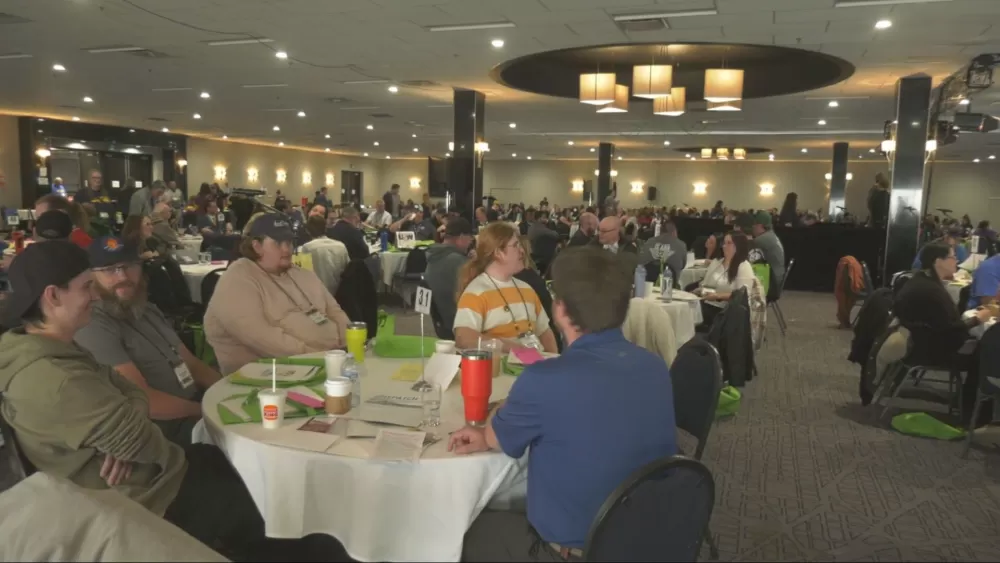
What's truly fascinating is how the approach to preparedness has transformed. Gone are the days of hyper-individualism as the sole strategy. Now, the emphasis is heavily on self-sufficiency, yes, but crucially, it’s interwoven with community building. We’re talking about learning tangible skills: how to grow your own food, basic first aid that goes beyond a band-aid, purifying water, or even simple home repairs. It's about empowering oneself with knowledge, sharing that knowledge with neighbors, and fostering local networks that can genuinely support each other when things get tough. It's a far cry from stockpiling alone in the dark, isn't it?
Sociologists and psychologists who study this phenomenon are quick to point out that this shift isn't born of irrational fear, but rather a very rational desire for agency and control. In a world that often feels chaotic and unpredictable, taking proactive steps to ensure your family's well-being is a deeply human, even commendable, instinct. It’s less about escaping society and more about building a resilient one, starting right in your own backyard and expanding outwards.
You see, this modern wave of preparedness is less about being 'against' something and more about being 'for' something – for resilience, for community, for practical knowledge, and ultimately, for a greater sense of peace of mind. It’s an investment in skills and relationships that pay dividends whether a major crisis ever materializes or not. So, the next time you hear "prepper," maybe, just maybe, picture a community garden, a first-aid class, or a neighborhood watch meeting, instead of that lonely bunker. Because that, my friends, is the evolving, human face of modern survival.
Editorial note: Nishadil may use AI assistance for news drafting and formatting. Readers can report issues from this page, and material corrections are reviewed under our editorial standards.