The Quiet Epidemic: How Stress is Overwhelming America
- Nishadil
- March 29, 2026
- 0 Comments
- 4 minutes read
- 24 Views
- Save
- Follow Topic

Unpacking America's Stress Crisis: Where We're Feeling the Strain Most (and How to Cope)
A new study reveals a widespread stress crisis across America, ranking states by factors like work, money, and health. It's a look at why so many of us feel overwhelmed and what we can actually do about it.
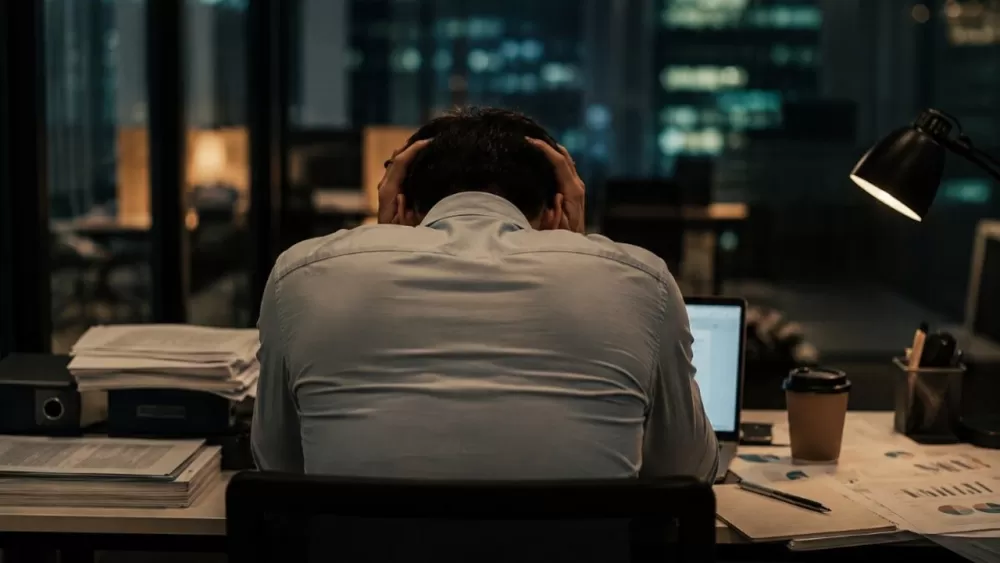
Let's be honest, who isn't feeling a little (or a lot) stressed these days? It often feels like modern life itself is a relentless treadmill, constantly pushing us to do more, be more, achieve more. That familiar knot in your stomach, the racing thoughts at 3 AM – it’s a shared experience for so many of us, a pervasive undercurrent in our daily lives. But what if this isn't just personal angst? What if it's something bigger, something approaching a national crisis?
Well, it turns out our gut feeling isn't wrong. A new study from WalletHub, a personal finance website that often delves into quality of life metrics, has taken a really fascinating, albeit a little sobering, look at just how much stress is exploding across America. They’ve crunched the numbers, diving deep into what makes a state particularly prone to high stress levels, and the findings are quite eye-opening.
Think about it: what causes you stress? Chances are, it falls into a few key buckets. WalletHub certainly thought so, and they’ve ranked all 50 states across a whopping 41 different indicators, categorizing them into four primary areas: work-related stress, financial stress, family-related stress, and health & safety stress. These are, let’s face it, the biggies for most people, the areas where pressure tends to build up the most.
So, who's feeling the squeeze the most? According to their data, the states topping the list for highest stress levels are Louisiana, Mississippi, Nevada, New Mexico, and Arkansas. Now, it's interesting to ponder why these particular states might be experiencing such intense collective pressure. Could it be economic challenges? Perhaps specific social or environmental factors? It really makes you think about the intricate tapestry of issues that contribute to our collective well-being.
On the flip side, some states seem to be doing a better job of chilling out, relatively speaking. The least stressed states, according to this study, are South Dakota, Utah, New Hampshire, Massachusetts, and North Dakota. What makes these places different? Is it stronger community ties, different economic opportunities, or perhaps even a slower pace of life? There’s definitely food for thought there when we consider what truly fosters a less stressful environment.
This isn't just about rankings, though. The reality is that stress takes a huge toll on us, individually and as a society. It's not just "in our heads." The American Psychological Association tells us that a staggering 77% of adults experience physical symptoms of stress, and 73% grapple with psychological symptoms. We're talking about everything from headaches and fatigue to anxiety, irritability, and even feelings of being overwhelmed or depressed. It bleeds into our productivity at work, strains our relationships, and seriously impacts our overall health. It steals our joy, quite frankly.
So, what's the antidote? How do we push back against this relentless tide? Experts universally point to a few crucial strategies, and while they might sound simple, they are profoundly effective. Things like incorporating mindfulness practices into your day – even just a few minutes of quiet reflection can make a difference. Regular physical activity, getting enough restorative sleep, and nurturing a healthy diet are foundational.
But it's not just about the physical. Cultivating strong social connections, truly investing in friends and family, can be an incredible buffer against stress. And this is a big one: learning to set healthy boundaries. That means saying "no" sometimes, prioritizing your own needs, and understanding that you can't pour from an empty cup. It’s about being deliberate and intentional with your time and energy.
Ultimately, this crisis of stress is a complex one, deeply woven into the fabric of modern life. But understanding where we stand, recognizing the impact, and crucially, knowing that we have tools to cope – that's a powerful first step. It reminds us that while the world might keep spinning at a frantic pace, we can find ways to create moments of calm and resilience for ourselves. It's not just about surviving; it's about thriving, even amidst the chaos.
Editorial note: Nishadil may use AI assistance for news drafting and formatting. Readers can report issues from this page, and material corrections are reviewed under our editorial standards.