
The Manchester City Storm: Why UK-UAE Ties Run Deeper Than Football Scandals
- Nishadil
- October 03, 2026
- 0 Comments
- 5 minutes read
- 8 Views
- Save
- Follow Topic
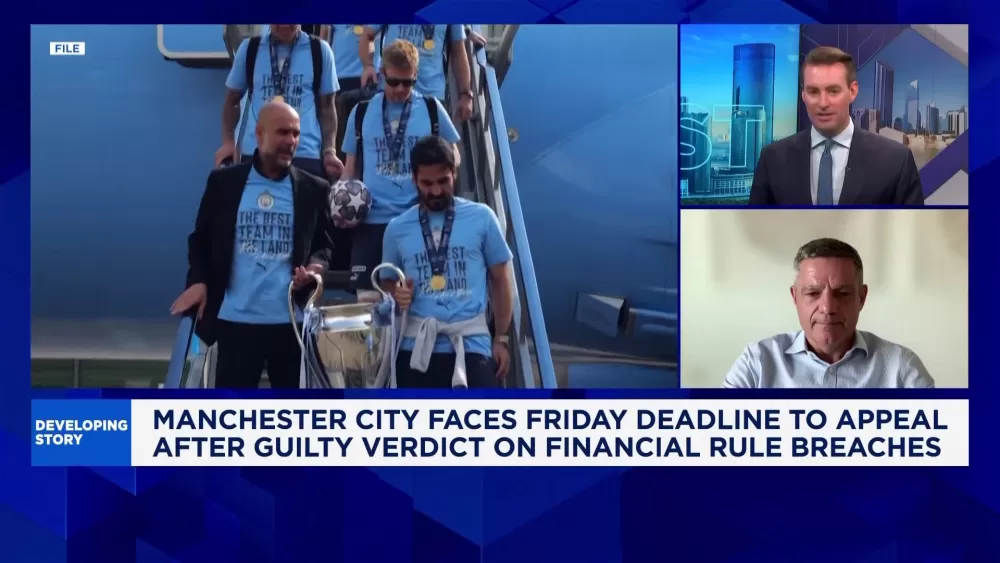
Beyond the Pitch: UK-UAE Economic Ties Weathering the Man City Financial Firestorm
The recent financial allegations against Manchester City Football Club have sent ripples through the football world, but the longstanding, multi-billion-pound economic relationship between the UK and UAE appears robust enough to withstand the controversy.
Imagine a football club, revered globally, suddenly facing a storm of allegations so severe it threatens its very foundation. That's precisely the situation Manchester City found itself in late September 2026. The Premier League dropped a veritable bombshell, accusing the club of a staggering 114 breaches of financial rules, spanning almost a decade from 2009 to 2018. It wasn't just about minor infractions; we're talking about allegations of massive financial deception.
At the heart of it all? The claim that City, owned by Sheikh Mansour bin Zayed Al Nahyan – a key figure, Vice-President and Deputy Prime Minister of the UAE – essentially disguised nearly £900 million in direct funding from its owner as legitimate sponsorship revenue. Essentially, the accusation is that they used "sham" contracts to artificially pump up their financial results, painting a rosier picture than reality. Sheikh Mansour, who bought the club back in 2008 for £200 million via the Abu Dhabi United Group, is the ultimate owner here, you see.
Naturally, Manchester City isn't taking this lying down. On October 1st, 2026, they launched a robust appeal, arguing the Premier League Commission's findings are riddled with "clear material errors, of law, principle and fact" and vehemently asserting their innocence. But the stakes are incredibly high: a points deduction, colossal fines, or even, perish the thought, expulsion from the Premier League itself, are all on the table. This isn't just about football; it’s a potential dent in Abu Dhabi's carefully cultivated "soft power" image, and it undeniably complicates the delicate dance of UK-UAE relations.
Yet, as the football world braces for the outcome, a crucial question emerges: will this highly public, deeply embarrassing saga truly fracture the profound economic and diplomatic bonds between the United Kingdom and the United Arab Emirates? The short answer, many experts suggest, is probably not.
You see, the relationship between these two nations stretches far beyond the roar of the Etihad Stadium. The UAE stands as London's 20th-largest trading partner, accounting for a not-insignificant 1.3% of UK trade. But the real depth lies in investment. Over the past five years alone, the UAE has poured a staggering £30 billion (that's about US$39.7 billion) into vital UK sectors – think defence, cutting-edge life sciences, and rapidly evolving technology. A huge chunk of this comes through Mubadala, the UAE's sovereign wealth fund, which, quite interestingly, is chaired by Khaldoon Al Mubarak – yes, the very same Khaldoon Al Mubarak who also chairs Manchester City.
Mubadala initially pledged £10 billion to British industries, a figure that has since nearly tripled. As Salma Thani, a Gulf Studies specialist at the American University of Sharjah, aptly puts it, this relationship "long predates the acquisition of Manchester City and has developed across diplomacy, commerce, education, and security." Sheikh Mansour's 2008 takeover of Man City wasn't just a whim; it was a deliberate move within a broader diplomatic strategy, designed to foster closer ties and deliver "enormous soft power gains" for Abu Dhabi. And let's not forget his historical significance to the UK economy.
Back in 2008, during the throes of the global financial crisis, Sheikh Mansour was a key player in an emergency £7 billion bailout of Barclays Bank, a move that spared British taxpayers. Though, it's worth noting, a British court later found Barclays guilty of "serious deceit" regarding how the UAE's £3.25 billion share of that bailout was presented. Fast forward to today, and whispers suggest the Emirati ruling class might be considering pulling billions of pounds in investment from Britain if this Manchester City scandal doesn't swing in their favour. It's a significant threat, certainly designed to make Westminster sit up and pay attention.
Even UK Prime Minister Andy Burnham (who, incidentally, also served as former Mayor of Greater Manchester) voiced concerns about losing UAE investment, acknowledging their crucial role in "building modern Manchester." However, Downing Street was quick to clarify that while the initial judgment is serious, "there can't be any suggestion that anyone is above the rules." Columnist Jim White, for one, believes Burnham is making a "big mistake" by wading into this political football.
Despite the friction, the wheels of diplomacy and commerce continue to turn. An investment summit between the two nations was, in fact, "penciled in for this month," October 2026, even amidst escalating frustration. This suggests a recognition that while football might ignite passions, the foundational economic and strategic partnership between the UK and UAE is simply too vital, too intertwined, and too deeply rooted to be derailed by a single, albeit sensational, football scandal.
- Health
- UnitedStatesOfAmerica
- News
- BusinessNews
- HealthNews
- Soccer
- Videos
- Cnbc
- Neutral
- Financials
- DiplomaticRelations
- InvestmentFraud
- AbuDhabi
- CnbcTv
- FootballFinance
- CorporateFraud
- InternationalShows
- AccessMiddleEast
- UkInvestment
- SoftPowerDiplomacy
- CrimeAndPunishment
- UkUaeEconomicTies
- ManchesterCityFinancialScandal
- SheikhMansour
- PremierLeagueRegulations
- AbuDhabiUnitedGroup
- MubadalaInvestment
Editorial note: Nishadil may use AI assistance for news drafting and formatting. Readers can report issues from this page, and material corrections are reviewed under our editorial standards.










