The Magnetism of a Tiny Tamil Nadu Ritual: Why Hundreds Keep Coming Back
- Nishadil
- July 06, 2026
- 0 Comments
- 3 minutes read
- 30 Views
- Save
- Follow Topic

A centuries‑old tradition in Tamil Nadu draws crowds like a moth to flame – here’s what makes it so unforgettable
Every year, a modest village in Tamil Nadu transforms into a living tableau as hundreds gather for a unique, little‑known ritual. Discover the history, the sights, and the heartfelt reasons people travel miles to be part of it.
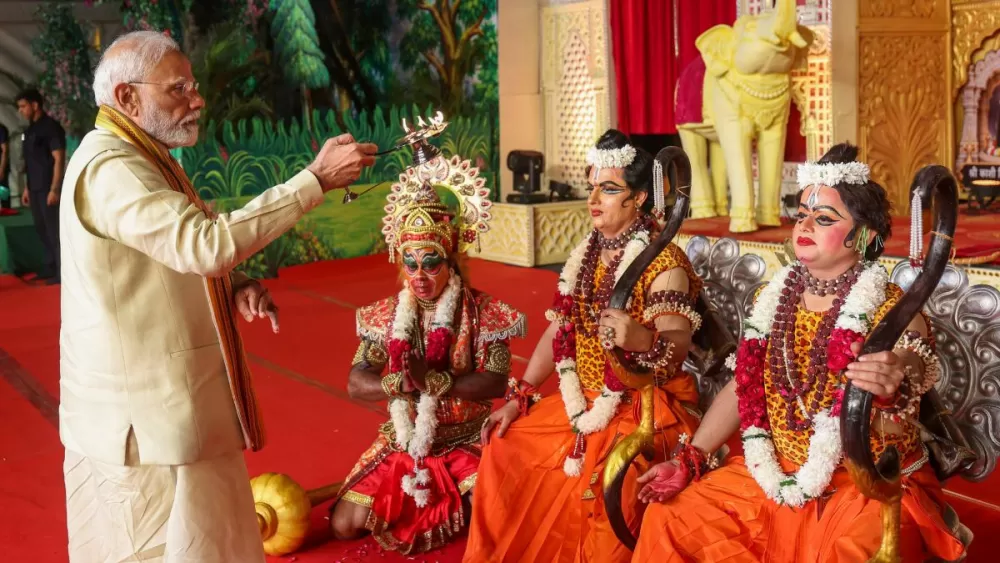
It starts before dawn. A thin veil of mist still clings to the fields when the first few early risers arrive, lanterns in hand, their breath forming little clouds in the cool air. They’re not here for a concert or a market – they’re here for a ritual that has survived generations, largely unchanged, and that pulls people from nearby towns, and even from far‑off cities, into the heart of a small Tamil Nadu village.
The event is called ‘Pooja Pattinam’ – literally “the town of worship.” It’s not a festival that makes the news every year, but it’s one that locals guard fiercely, and it’s exactly that intimacy that gives it its magnetic pull. The centerpiece is a massive, hand‑carved wooden platform placed at the centre of the village square. On the day of the ritual, families bring fresh rice, turmeric, and the day’s first milk, arranging them in neat rows that almost look like a pattern drawn by a child’s hand.
When the sun finally peeks over the distant hills, the village priest steps forward, his voice low but firm, chanting verses that have been passed down through oral tradition. He lights a small oil lamp, and the flame flickers across the faces of the gathered crowd – faces that are a mix of weathered elders, curious teenagers, and visitors whose phones are already out, ready to capture the moment.
What follows is the part that feels almost theatrical. A single drum beats a slow, steady rhythm while a group of women in bright sarees begins to sway, their movements gentle and synchronized. They sprinkle a handful of rice onto the platform, letting it cascade like a soft rain. Then, one by one, participants step forward to pour a small portion of the fresh milk onto the platform, each offering a silent prayer for health, prosperity, or simply gratitude for the day ahead.
It’s easy to dismiss this as “just another village ceremony,” but there’s an undercurrent of something deeper. The ritual is a communal pause – a moment when the hustle of modern life is set aside, and people reconnect with a shared heritage. The sense of belonging, the echo of ancestral voices, and the simple act of doing something together create a powerful emotional glue.
Why do hundreds keep coming back? For many, it’s about honoring ancestors who performed the same rites centuries ago. For the younger generation, it’s a chance to feel rooted, to experience a piece of Tamil culture that isn’t commercialized or packaged for tourists. And for outsiders, it’s a rare glimpse into a living tradition that feels both ancient and vibrantly alive.
When the sun climbs higher and the last drops of milk have been offered, the priest closes the ceremony with a final blessing, and the crowd slowly disperses, carrying with them a quiet sense of fulfillment. The platform remains, waiting for the next year’s gathering, as patient as the tradition itself.
So the next time you wonder why a modest village would attract hundreds of people, remember that it’s not the size of the event that matters, but the depth of meaning packed into every ripple of milk, every grain of rice, and every heartbeat that beats in unison across the square.
- India
- News
- Tourism
- TourismNews
- LatestNewsUpdates
- CommunityGathering
- HeritageFestival
- AncientRituals
- CulturalRitual
- TrendingVideos
- TraditionalFishingMethods
- SivagangaFishingFestival2026
- KaraikudiFestivals
- 2f026
- July05
- TamilNaduRuralCulture
- IlangudiPeriyaKanmai
- TamilNaduTradition
- IndianVillageCeremony
- PoojaPattinam
- TamilCustoms
Editorial note: Nishadil may use AI assistance for news drafting and formatting. Readers can report issues from this page, and material corrections are reviewed under our editorial standards.