
The Looming Threat of a 'Super' El Niño
- Nishadil
- April 15, 2026
- 0 Comments
- 4 minutes read
- 39 Views
- Save
- Follow Topic
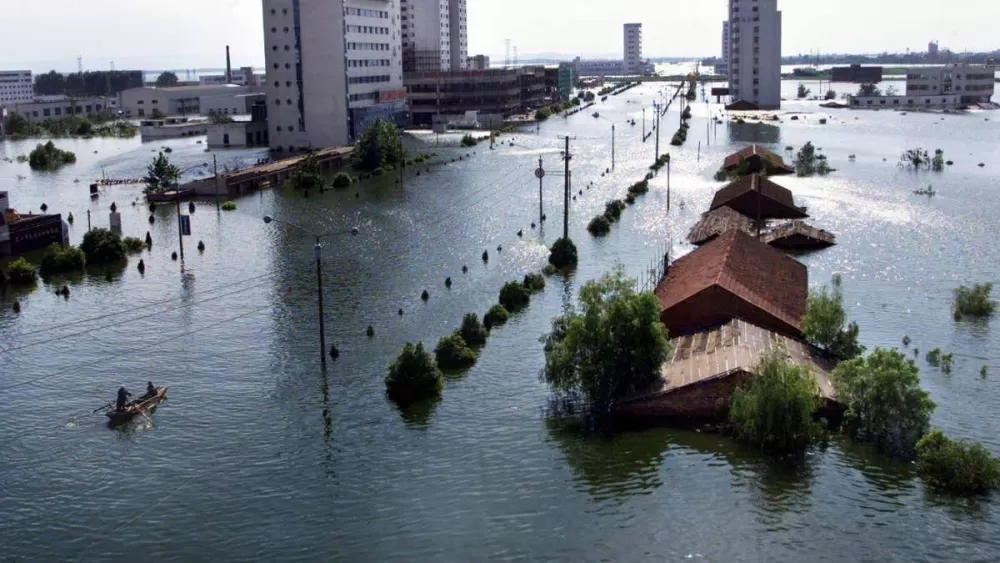
Could a Record-Breaking El Niño Unleash Global Chaos?
Scientists are closely watching for a potential 'super' El Niño event, a natural climate pattern characterized by exceptionally warm Pacific waters. Such an event could drastically alter global weather, bringing extreme conditions like severe droughts, intense floods, and widespread ecosystem disruption across continents.
There's a certain buzz in the air, a murmur really, among climate scientists and weather watchers, about a powerful force brewing far away in the Pacific Ocean: El Niño. But not just any El Niño. The discussion centers on the possibility of a "super" El Niño, an event so significant it could dramatically reshuffle weather patterns across the globe, bringing with it a whirlwind of challenges.
So, what exactly are we talking about here? El Niño, at its core, is a natural climate phenomenon characterized by unusually warm ocean temperatures in the central and eastern tropical Pacific. It’s part of a larger cycle known as ENSO (El Niño-Southern Oscillation). But a "super" El Niño? That’s when these warm waters reach exceptional, often record-breaking, temperatures and extend across a vast swath of the ocean, leading to an amplified impact on the atmosphere. Think of it as the volume knob being cranked up to eleven on the global weather system.
History offers some stark reminders of what a powerful El Niño can unleash. The events of 1997-98 and 2015-16, for instance, stand out in recent memory. These were periods marked by extreme weather events: devastating droughts in Australia and parts of Asia, alongside torrential rains and severe flooding in South America and the southern United States. They caused widespread crop failures, disrupted marine ecosystems, and led to significant economic losses. The sheer scale of disruption was truly staggering, affecting millions of lives and livelihoods.
When the Pacific warms up like this, it doesn't just stay there; it fundamentally alters atmospheric circulation. The changed temperature gradients shift the position of major jet streams, essentially rerouting weather systems worldwide. For example, traditionally, a strong El Niño can bring warmer, drier winters to the northern U.S. and Canada, while the southern U.S. might experience cooler, wetter conditions. Meanwhile, across the Pacific, regions like Southeast Asia and Australia often grapple with severe droughts and heightened wildfire risks. It’s a domino effect, stretching across continents and oceans.
The potential impacts of a new "super" El Niño are, frankly, a bit daunting to contemplate. We could see prolonged heatwaves, intensified droughts leading to water shortages and agricultural crises, and, paradoxically, destructive floods in other regions. Marine life could also suffer immensely, with warmer ocean temperatures contributing to widespread coral bleaching events, threatening delicate ecosystems and the fishing industries that depend on them. Beyond the immediate weather, there's the ripple effect on global supply chains, food prices, and even public health.
And here’s where things get even more complex: the climate change angle. Scientists are actively researching how a warming planet might influence El Niño events. While El Niño is a natural cycle, there's growing concern that climate change could be supercharging these events, making strong El Niños more frequent or more intense, or at least altering their characteristic impacts. It’s a crucial question, as understanding this interplay is key to better preparing for the future.
Predicting the exact intensity and reach of any El Niño, let alone a "super" one, is incredibly complex, involving sophisticated climate models and constant monitoring. Yet, the current discussions underscore the importance of vigilance. Understanding the signs, recognizing the potential consequences, and fostering international cooperation for preparedness are absolutely vital. Because when the Pacific decides to get particularly warm, the whole world inevitably feels the heat, in more ways than one.
Editorial note: Nishadil may use AI assistance for news drafting and formatting. Readers can report issues from this page, and material corrections are reviewed under our editorial standards.










