The Irony of 'Green' Development: Rohan Chakravarty's Sharp Take on Nicobar's Future
- Nishadil
- December 05, 2025
- 0 Comments
- 4 minutes read
- 59 Views
- Save
- Follow Topic

When 'Green' Isn't Green: Rohan Chakravarty's 'Green Humour' Skewers the Great Nicobar Project
Rohan Chakravarty, with his signature wit in 'Green Humour,' shines a spotlight on the controversial NITI Aayog's Great Nicobar Project, revealing the unsettling paradox of branding extensive ecological destruction as 'sustainable development.'
You know, some artists just have a knack for cutting right to the chase, don't they? Rohan Chakravarty is absolutely one of them. Through his beloved 'Green Humour' cartoons, he consistently manages to distill incredibly complex and often disheartening environmental issues into something profoundly insightful and, yes, even a little bit humorous – albeit with a sharp, satirical edge. His latest piece, drawing attention to the proposed Great Nicobar Project, is no exception; it’s a brilliant, if sobering, commentary on what we often call 'development' and the true cost behind it.
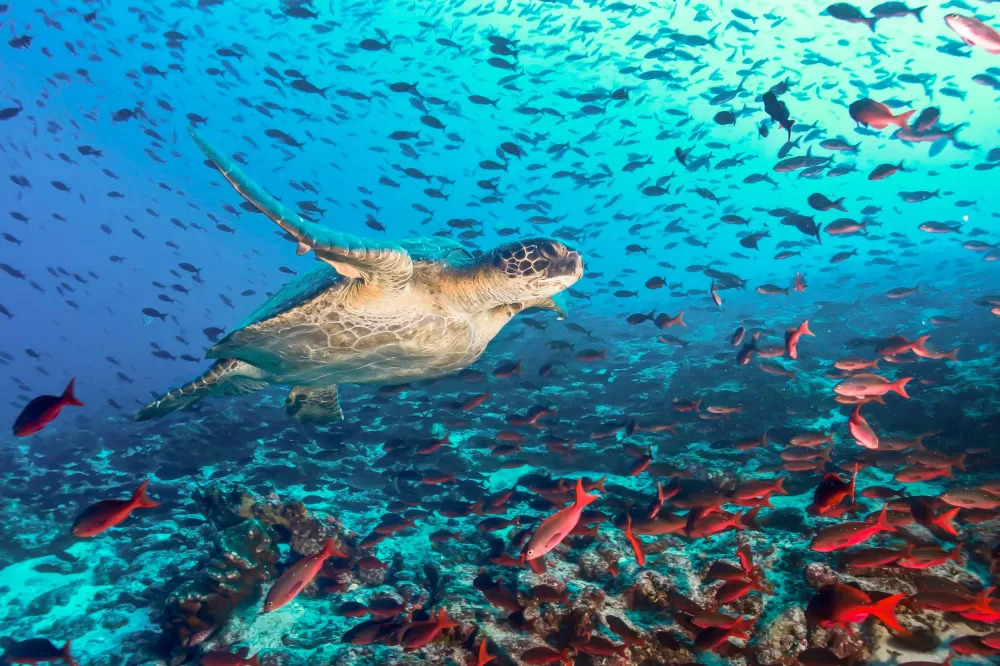
For those unfamiliar, the Nicobar Islands, tucked away in the Bay of Bengal, are simply breathtaking. They’re a biodiversity hotspot, home to a unique array of flora and fauna found nowhere else on Earth. We're talking ancient rainforests, vibrant coral reefs, and critical nesting sites for some truly special creatures like the Nicobar Megapode and the magnificent Leatherback sea turtles. These islands aren’t just pretty; they’re vital ecosystems, a precious natural heritage.
And here's where Chakravarty's cartoon truly hits home. The NITI Aayog's ambitious Great Nicobar Project envisions a massive transformation for the island – think a mega port, an international airport, a power plant, and even a new township. On paper, it sounds like progress, doesn't it? But the uncomfortable truth is, such a monumental undertaking comes with an equally monumental environmental price tag. We're talking about clearing vast swathes of rainforest, disrupting fragile coral ecosystems, and directly threatening the very existence of those unique species.
What makes Chakravarty’s work so potent here is its masterful exposure of the sheer hypocrisy involved. This project, despite its undeniably destructive footprint, has somehow been framed as 'green' development, or even 'sustainable.' It's a bitter pill to swallow, isn't it? To call something 'green' when it entails bulldozing ancient forests and jeopardizing endangered species feels, frankly, like a linguistic sleight of hand, a way to sugarcoat irreversible damage.
His cartoon, I imagine, would perfectly capture this absurdity – perhaps a smiling bureaucrat, clipboard in hand, proudly declaring a freshly deforested landscape 'peak sustainability' while a bewildered Megapode looks on, or a turtle sheds a tear. It forces us to pause and truly consider: What exactly are we developing? And for whom? At what point does 'progress' become outright destruction, merely masked by optimistic, albeit misleading, terminology?
Ultimately, Chakravarty’s 'Green Humour' isn't just about making us chuckle; it's a powerful call to consciousness. It urges us to look beyond the headlines and the neatly packaged narratives, to truly grasp the profound ecological sacrifices being made in the name of development. It’s a crucial reminder that real sustainability means working with nature, not bulldozing over it, especially in places as irreplaceable as the Nicobar Islands. And for that, we should all be paying very close attention.
Editorial note: Nishadil may use AI assistance for news drafting and formatting. Readers can report issues from this page, and material corrections are reviewed under our editorial standards.