
The Incredible Rise of Human Fat Organoids: A Game Changer for Medicine
- Nishadil
- January 01, 2026
- 0 Comments
- 4 minutes read
- 46 Views
- Save
- Follow Topic
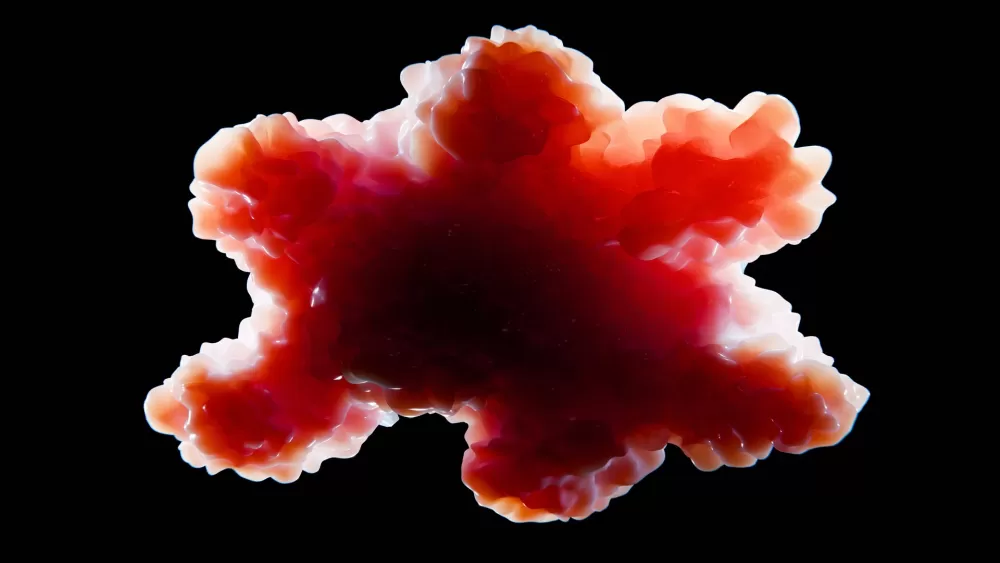
Tiny Fat Tissues Grown in the Lab Are Revolutionizing Regenerative Medicine and Disease Research
Scientists are now creating miniature human fat tissues, known as organoids, right in the lab. This groundbreaking innovation promises to transform how we study diseases, test drugs, and even repair our bodies.
Imagine, if you will, growing tiny, fully functional pieces of human tissue outside the body. It sounds like something straight out of science fiction, doesn't it? Well, what was once a futuristic dream is rapidly becoming a tangible reality, especially when it comes to something as fundamental, and often misunderstood, as human fat. Recent breakthroughs have seen scientists successfully cultivate sophisticated, three-dimensional 'fat organoids' in the laboratory, marking a truly exciting moment for regenerative medicine and disease understanding.
For a long time, studying human fat – adipose tissue, as the scientists call it – was quite a challenge. We mostly relied on animal models, which, let's be honest, don't always perfectly mimic the complexities of human biology. Or, we'd use simple cell cultures, which, while useful, just couldn't replicate the intricate structure and function of real tissue. But now, with these incredible fat organoids, researchers have a much better, much more 'human' window into how fat works, how it contributes to health and disease, and even how we might one day repair or replace it.
So, what exactly are these fat organoids? Picture this: they're like miniature, self-organizing versions of human adipose tissue, complete with all the essential cell types working together, just as they would in your body. Scientists can coax human stem cells to differentiate and arrange themselves into these tiny, yet complex, structures. And here's the real kicker – they behave remarkably similar to the fat found within us. This means they can store energy, release hormones, and even respond to signals just like our native fat tissue.
The implications of this technology are simply vast, truly mind-boggling when you stop to think about it. For starters, it offers an unprecedented platform for studying metabolic diseases like diabetes and obesity. Instead of guesswork, researchers can now observe in real-time how different diets, drugs, or genetic factors impact human fat metabolism. This could accelerate the discovery of new treatments and perhaps even pave the way for highly personalized medicine, where therapies are tailored to an individual's unique biological makeup.
But it doesn't stop there. These fat organoids are also poised to revolutionize drug testing. Historically, many promising drugs failed in human trials despite showing efficacy in animal models, precisely because of those species differences we touched on earlier. By using human fat organoids, pharmaceutical companies can get a much clearer picture of how a drug will affect human tissue before it even reaches clinical trials, potentially saving immense time, money, and most importantly, preventing harm to patients.
And then there's the exciting realm of regenerative medicine. Imagine someone suffering from a severe injury or illness that has damaged their adipose tissue – perhaps a burn victim needing reconstructive surgery, or someone with a metabolic disorder impacting their fat's ability to function properly. In the future, it's not unreasonable to conceive of using these lab-grown fat organoids, perhaps expanded further, to repair or even grow new, functional fat tissue. It's a vision of healing that could profoundly change lives, offering new hope where little existed before.
Of course, like any cutting-edge scientific endeavor, there are still challenges to overcome. Scaling up production, ensuring long-term viability, and perfectly mimicking every aspect of human fat tissue remain areas of active research. But the progress thus far is undeniably remarkable. The development of human fat organoids isn't just another scientific paper; it's a testament to human ingenuity, pushing the boundaries of what's possible and offering a tantalizing glimpse into a future where disease is better understood, and healing is within closer reach.
- UnitedStatesOfAmerica
- News
- Science
- ScienceNews
- RegenerativeMedicine
- PersonalizedMedicine
- ObesityResearch
- TissueEngineering
- DrugTesting
- Organoids
- DiabetesResearch
- HumanTissue
- MetabolicDiseases
- StemCellTechnology
- AdiposeTissue
- DiseaseModeling
- BoneMarrowOrganoids
- StemCellAlternative
- InsulinProducingCells
- FatOrganoids
Editorial note: Nishadil may use AI assistance for news drafting and formatting. Readers can report issues from this page, and material corrections are reviewed under our editorial standards.


