The House Always Wins? Inside the NBA's Troubling Embrace of Sports Betting – And Ours.
- Nishadil
- November 09, 2025
- 0 Comments
- 5 minutes read
- 57 Views
- Save
- Follow Topic

The Bet That Broke the Game: NBA's Gambling Problem Is Just the Tip of the Iceberg.
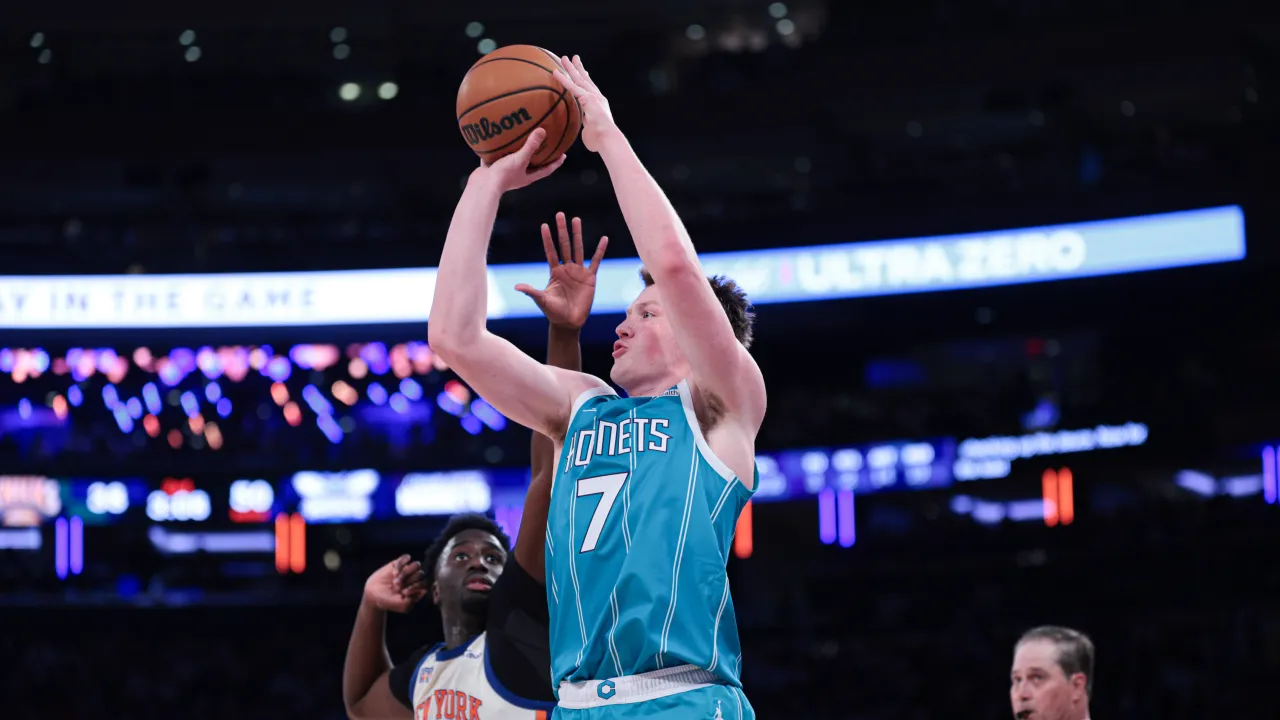
The recent Jontay Porter scandal isn't just a story about one player; it's a stark reminder of the NBA's deep, troubling ties to sports betting, reflecting a far larger, unspoken addiction gripping America. We're witnessing a high-stakes gamble with the very soul of professional sports, and honestly, the odds aren't looking good for the fans.
Oh, the whispers. They started quietly, then grew into a roar, surrounding a name: Jontay Porter. A player in the NBA, caught up in a betting scandal that felt, frankly, inevitable. It’s a story that, on its surface, is about one man’s lapse in judgment. But dig just a little deeper, peel back a layer or two, and what you find is far more unsettling. This isn't just about Porter; it's a glaring, neon sign flashing at a much bigger, more insidious problem that has quietly, relentlessly, taken root in the very heart of professional sports — and by extension, in our homes across America.
You see, we’ve always had a complicated relationship with the wager, haven’t we? From friendly office pools to the clandestine backrooms. But something fundamentally shifted in 2018. That’s when the Supreme Court, in its infinite wisdom, struck down the federal ban on sports betting, known as PASPA. And just like that, Pandora’s Box — or perhaps a very shiny, very tempting slot machine — was flung wide open. Suddenly, states, eyeing those juicy potential tax revenues, began a frantic scramble to legalize. And who could blame them, from a purely financial standpoint? It was a gold rush, pure and simple, a new frontier of income for budgets stretched thin.
The leagues themselves? Oh, they jumped right in, too. The NBA, the NFL, MLB – you name it. Suddenly, these venerable institutions were forging alliances, partnerships, and sponsorships with betting operators. Ads for DraftKings and FanDuel aren't just background noise anymore; they're woven into the fabric of game broadcasts, emblazoned on arenas, shouting from every digital corner. It’s an embrace, really, a warm, profitable hug between the game and the gamble. But here’s where it gets truly messy, doesn’t it? Here’s where the hypocrisy truly grates: these same leagues, these very organizations reaping the benefits, are also the ones handing down severe punishments when a player, one of their own, steps out of line and places a bet.
Consider the absurdity for a moment. They promote the very activity they forbid their athletes from participating in. It’s a double standard, plain and simple, and one that frankly makes your head spin a bit. How can you genuinely expect to maintain the "integrity of the game" – a phrase we hear trotted out with such regularity – when the lines between sport and speculation have blurred to this extent? When the very concept of "sport" becomes inextricably linked with "betting opportunity," it’s hard not to feel a tremor of unease, a sense that something vital is being compromised.
And then there’s us, the everyday fans. Or perhaps, the everyday citizens. Betting apps are now just a tap away, sitting innocently on our phones, whispering promises of quick wins. They are everywhere. They're aggressively marketed, expertly designed to be addictive, and, disturbingly, they're often reaching younger demographics with startling ease. This isn't just about a few high-rolling gamblers anymore; it’s about accessibility, about the normalization of an activity that, for a significant portion of the population, can become a deeply destructive force. Problem gambling, you could say, is a quiet epidemic, one with devastating societal costs — fractured families, lost livelihoods, spiraling debt — that often go unmeasured, unseen, and certainly untaxed.
It forces us to ask: what, precisely, are we building here? A stronger economy through vice? A more engaged fanbase through the thrill of a wager? Or are we, in truth, simply creating a more vulnerable populace, all while slowly, subtly eroding the pure, unadulterated joy of sport itself? When every missed free throw, every turnover, every substitution carries not just the weight of the game, but the crushing burden of someone’s lost money, doesn’t it change the very nature of what we’re watching? Doesn’t it shift the focus from athletic prowess and teamwork to mere transactional outcomes?
Perhaps, for once, it’s time to hit pause. To step back from the frenzy of legalizations and partnerships and seriously, deeply consider the unintended consequences. Because while the immediate financial gains might look appealing on a ledger sheet, the long-term ethical and societal price could be astronomically higher. We need a conversation, an honest one, about where we draw the line. Because if we don’t, we might just wake up one day to find that the integrity of the game, that elusive, precious thing, has been gambled away entirely. And then, well, what exactly are we left with?
Editorial note: Nishadil may use AI assistance for news drafting and formatting. Readers can report issues from this page, and material corrections are reviewed under our editorial standards.