The Heartbreak of Turkman Gate: An Old Delhi Mosque Crumbles
- Nishadil
- January 07, 2026
- 0 Comments
- 3 minutes read
- 53 Views
- Save
- Follow Topic
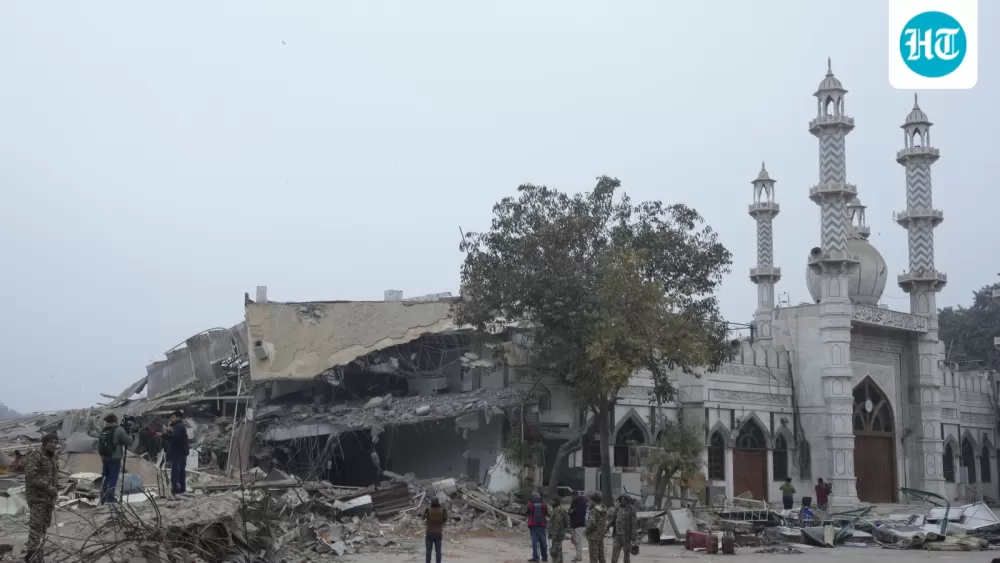
Old Delhi's Faiz-e-Ilahi Masjid Demolished Amidst Community Outcry
Early Tuesday morning, the Faiz-e-Ilahi Masjid near Turkman Gate in Old Delhi was demolished by the MCD, sparking widespread protests and sorrow among local residents. Officials cited encroachment on public land for the century-old mosque's removal, reigniting historical anxieties in the area.
There’s a certain quiet that settles over a place just before dawn, but for the residents near Turkman Gate in Old Delhi, that tranquility was shattered early on Tuesday morning. What unfolded was a scene of heavy machinery, stern-faced officials, and a community watching, helpless, as a piece of its history and faith began to crumble. The Faiz-e-Ilahi Masjid, a mosque standing for over a century, was being brought down.
It was the Municipal Corporation of Delhi (MCD) spearheading the operation, labeling the beloved mosque an encroachment on public land. By 6 AM, the demolition crew was already at work, protected by a substantial deployment of police and paramilitary forces – a clear sign, if one were needed, of the potential for resistance and the gravity of the situation. This wasn't just another building; it was a place of worship, a spiritual anchor for many, and you could feel the palpable tension in the air.
Naturally, such an act didn't go unopposed. Local residents, shocked and heartbroken, gathered to voice their protest. There were pleas, arguments, and desperate attempts to halt the bulldozers. Women, men, and children stood by, many openly weeping, as the structure that had witnessed generations of prayers slowly gave way. It’s hard to imagine the feeling of seeing something so integral to your life, so deeply rooted in the community, being erased right before your eyes.
The Turkman Gate area, sadly, isn't new to such events. It carries the weight of history, specifically the infamous demolitions during the Emergency in 1976. This historical memory, no doubt, only amplified the anguish and sense of déjà vu for many older residents, making this recent demolition not just a standalone event but a painful echo of the past. The scars from those earlier actions run deep, and one can't help but wonder about the new ones being formed now.
The MCD, for its part, maintained that proper procedures were followed. Officials stated that the mosque, originally a small structure, had expanded over time, encroaching onto public land near a heritage site. They pointed to previous notices issued, even claiming some had been pasted on the mosque itself, demanding the removal of the unauthorized construction. This action, they insisted, was part of a broader drive to clear encroachments across the city, aiming to reclaim public spaces and maintain order. It’s a classic conflict between urban planning and long-standing community presence.
This isn't an isolated incident; rather, it’s a fragment of a much larger, ongoing effort by authorities to remove what they deem illegal structures throughout Delhi. Whether it’s homes, shops, or, as in this case, religious sites, the city frequently grapples with the complexities of urban development, heritage preservation, and the realities of unplanned growth. Each demolition, however, leaves behind not just rubble, but also a profound impact on the lives and collective memory of the people directly affected. It's a poignant reminder of the constant tension between development and preserving community fabric.
Editorial note: Nishadil may use AI assistance for news drafting and formatting. Readers can report issues from this page, and material corrections are reviewed under our editorial standards.