The Harmony of Growth: Why Community Music is Essential for Youth Development
- Nishadil
- March 26, 2026
- 0 Comments
- 3 minutes read
- 34 Views
- Save
- Follow Topic

Tuning Into Tomorrow: Community Music as a Core Strategy for Young Lives
Discover how community music programs are powerfully shaping the social, emotional, and cognitive growth of young people, offering a vibrant space for connection and self-expression in a complex world.
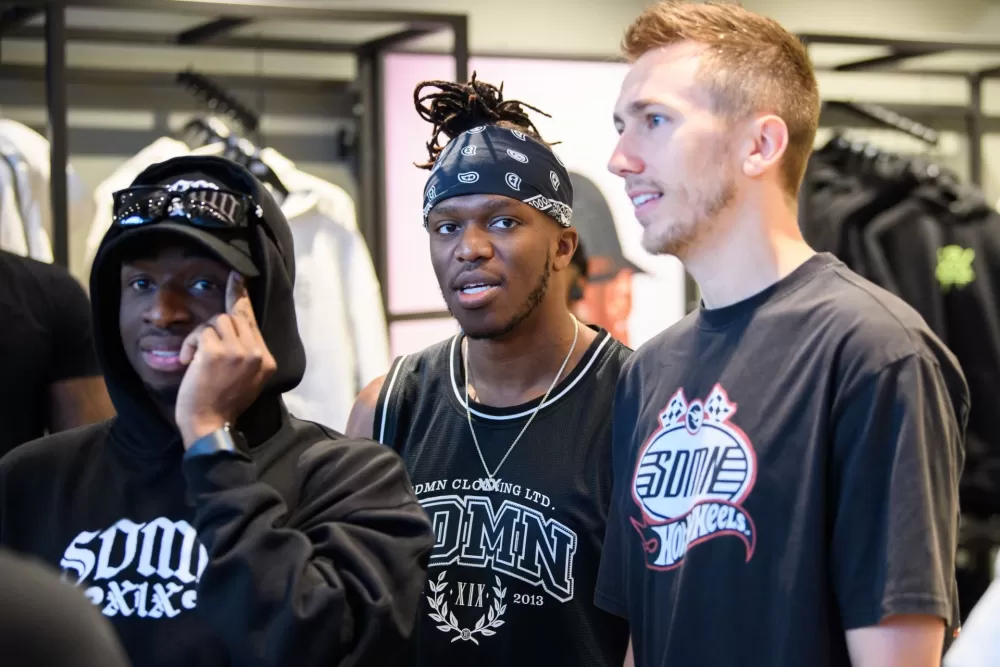
You know, sometimes the most profound solutions aren't found in complicated policy papers or grand pronouncements, but in something as beautifully simple and universal as music. Specifically, community music programs are really stepping up as a powerful, even essential, strategy for nurturing our young people. It’s more than just learning an instrument or singing a tune; it’s about weaving a vibrant tapestry of development and connection.
Think about it: adolescents today face a whirlwind of challenges, don't they? From academic pressures to social media complexities and just generally figuring out who they are. In this swirling mix, finding a safe, expressive outlet becomes incredibly vital. That's precisely where community music shines. It offers a unique haven, a place where kids can truly belong, where their voices—both literal and metaphorical—are heard and valued. It’s quite transformative, actually.
The benefits, honestly, are incredibly wide-ranging. On one hand, there's the obvious creative outlet; young people get to express themselves, explore different sounds, and even compose. But dig a little deeper, and you see the true magic: improved social skills. Working together in a band or choir teaches cooperation, listening, and empathy in a way that few other activities can. It’s not just about hitting the right note; it's about hitting it together.
Beyond the social aspect, these programs are absolute gold for emotional development. Imagine a shy teenager finding their confidence by performing in front of a small audience, or someone grappling with anxiety finding solace and structure in learning to play a complex piece. Music provides a healthy avenue to process emotions, build resilience, and discover an inner strength they might not have known they possessed. It’s empowering, to say the least.
And let's not forget the cognitive perks. Learning music, with its intricate patterns, rhythms, and theory, is a phenomenal workout for the brain. It enhances memory, problem-solving abilities, and even mathematical thinking. But crucially, it's often done in an engaging, non-traditional classroom setting, which can be incredibly effective for kids who might not thrive in conventional academic environments. It truly caters to different learning styles.
So, what makes a community music program truly effective? It’s often about accessibility, isn't it? Making sure these opportunities are available to all young people, regardless of their background or prior experience. It's also about fostering an inclusive environment where everyone feels welcome, where experimentation is encouraged, and where mentorship from older musicians or instructors creates a supportive pathway for growth. These aren't just programs; they're vibrant ecosystems.
In essence, community music isn't just a pleasant pastime or an extracurricular activity; it's a profound investment in the future well-being of our youth. It's a strategy that builds character, fosters community, and equips young individuals with a toolkit of skills—both artistic and life-oriented—that will serve them long after the final chord has faded. Truly, a powerful harmony for a brighter tomorrow.
- UnitedStatesOfAmerica
- News
- Technology
- Australia
- UnitedKingdom
- Singapore
- Science
- ScienceNews
- TechnologyNews
- Physics
- YouthDevelopment
- CommunityEngagement
- SocialEmotionalLearning
- MusicEducation
- CulturalConnection
- YouthPrograms
- CreativeExpression
- Materials
- SkillBuilding
- AdolescentWellBeing
- CommunityMusic
- NanoTech
- PhysicsNews
Editorial note: Nishadil may use AI assistance for news drafting and formatting. Readers can report issues from this page, and material corrections are reviewed under our editorial standards.