
The Great Wager: Washington Dials Up the Heat on Prediction Markets
- Nishadil
- April 18, 2026
- 0 Comments
- 3 minutes read
- 42 Views
- Save
- Follow Topic
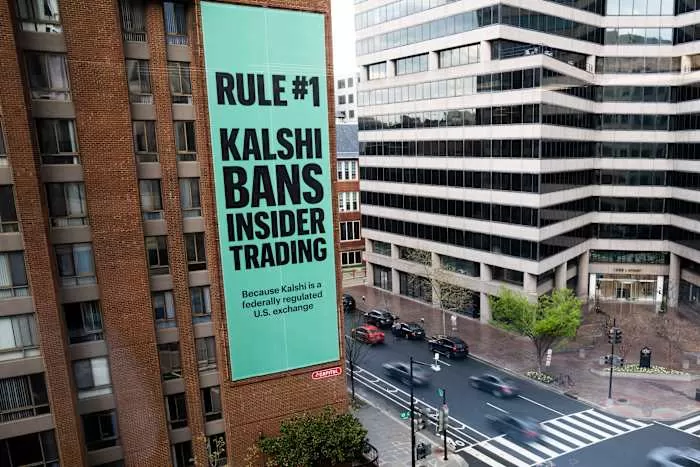
As Prediction Markets Explode, Regulators Wrestle with the Line Between Insight and Illicit Bets
From election outcomes to interest rate hikes, prediction markets are soaring in popularity. But as these platforms gain traction, Washington is taking a much closer look, grappling with fundamental questions about their nature, purpose, and the fine line between innovative financial tools and plain old gambling.
You know, it's fascinating to watch how quickly new technologies and financial instruments can emerge, often catching regulators a bit off guard. And right now, few things embody that dynamic quite like prediction markets. Suddenly, it seems everyone's talking about platforms where you can 'bet' on everything from the next presidential election to the exact date of an interest rate hike. They're undeniably captivating, offering a peek into collective foresight, or so proponents argue.
But here's the rub: Washington, D.C. is certainly taking notice, and let's just say their curiosity isn't entirely benign. The Commodity Futures Trading Commission (CFTC), the federal agency tasked with overseeing derivatives markets, finds itself squarely in the hot seat, trying to figure out just where these rapidly growing prediction platforms fit into the existing regulatory framework. Are they innovative tools for price discovery and hedging, offering genuine insights into future events? Or are they, as some critics contend, essentially thinly veiled gambling operations, just dressed up in financial jargon?
Platforms like Kalshi, for instance, have made significant strides, even getting some of their contracts approved by the CFTC. They focus heavily on economic, weather, and other tangible events, framing themselves as legitimate hedging mechanisms – think of it like an airline hedging against fuel price increases. But then you have platforms venturing into more sensitive territory, like political outcomes, which really starts to muddy the waters. The very idea of 'betting' on elections, for many, crosses a line, raising concerns about market integrity and even the sanctity of democratic processes.
Indeed, a growing chorus of lawmakers is expressing deep unease. Senators like Brian Schatz and Lindsey Graham have publicly voiced their apprehension, suggesting that these markets could be vulnerable to manipulation or, worse, might be exploited in ways that undermine public trust. The fear isn't just about consumer protection – though that's certainly a major component – it's also about the broader societal implications of turning crucial civic or economic events into tradable commodities. Where do you draw the line? Should we be able to bet on a Supreme Court nomination, or perhaps even the outcome of a natural disaster?
The CFTC itself is navigating a tricky path. Its traditional 'principles-based' approach, which allows for flexibility in regulating new products, is being stretched to its limits. They're trying to foster innovation while simultaneously fulfilling their mandate to protect consumers and maintain orderly markets. It's a tough balancing act, especially when you're dealing with something that feels so inherently new, yet also vaguely familiar to a trip to the casino.
Ultimately, the core of the debate boils down to definition. If prediction markets are classified as genuine financial instruments, then the CFTC has a clearer path forward. But if they're seen primarily as gambling, then other agencies, or even new legislative action, might be necessary to rein them in. This isn't just an academic exercise; the outcome will profoundly impact the future of these platforms, how Americans engage with future events, and perhaps even the very nature of information aggregation in the digital age. One thing's for sure: the 'wild west' days of prediction markets, if they ever truly existed, appear to be drawing to a close, as Washington rolls up its sleeves for a serious reckoning.
- UnitedStatesOfAmerica
- Business
- News
- Politics
- Technology
- DonaldTrump
- UsNews
- Top
- TopNews
- GavinNewsom
- Gambling
- ToddYoung
- SethMoulton
- WashingtonNews
- FinancialInnovation
- ConsumerProtection
- PredictionMarkets
- Polymarket
- RegulatoryScrutiny
- Hedging
- NicolasMaduro
- Cftc
- ElissaSlotkin
- RichardDurbin
- Kalshi
- RahmEmanuel
- MichaelSelig
- ElectionMarkets
- KristinJohnson
- DennisKelleher
- ElisabethDiana
- WashingtonOversight
Editorial note: Nishadil may use AI assistance for news drafting and formatting. Readers can report issues from this page, and material corrections are reviewed under our editorial standards.












