The Great Power Tug-of-War: Supreme Court Weighs Presidential Control Over Independent Agencies
- Nishadil
- June 30, 2026
- 0 Comments
- 4 minutes read
- 19 Views
- Save
- Follow Topic

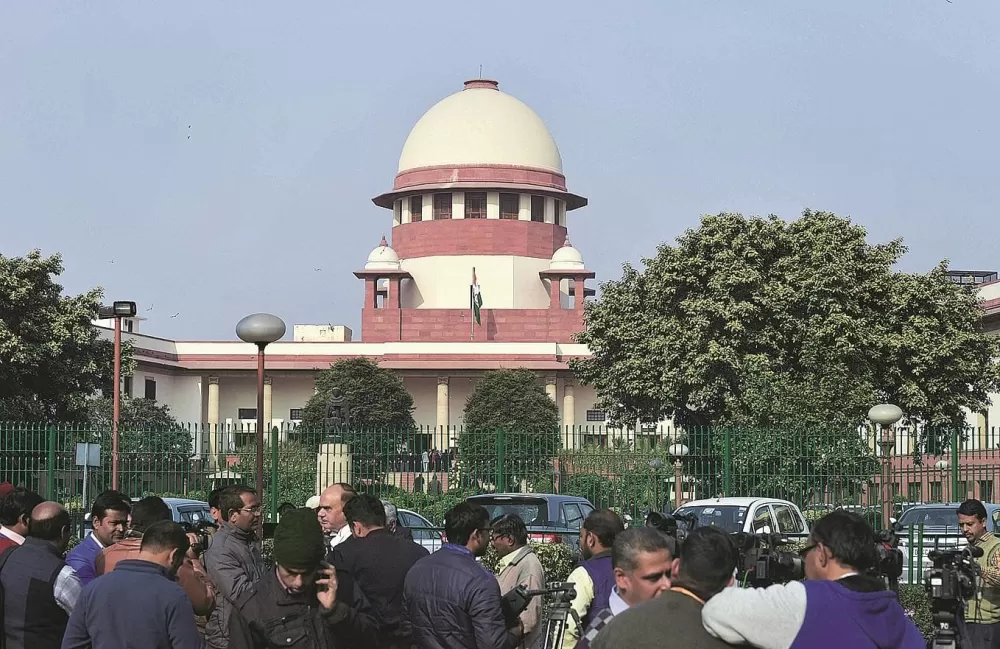
Supreme Court Grapples with Presidential Power to Fire Leaders of Independent Federal Agencies
The Supreme Court is deliberating a crucial question: how much control does a president truly have over the leaders of vital, independent federal agencies like those protecting consumers and overseeing housing? It's a high-stakes debate that could reshape the balance of power.
Imagine the immense power of the presidency – it's a role that truly shapes the nation, right? Well, the Supreme Court recently found itself grappling with a really significant question that cuts right to the heart of that power: just how much sway does a president actually have over the folks running our supposedly 'independent' federal agencies? We're talking specifically about crucial bodies like the Consumer Financial Protection Bureau, often called the CFPB, and the Federal Housing Finance Agency, or FHFA for short.
At its core, this whole fascinating legal drama boils down to a fundamental debate: should the President be able to fire the leaders of these agencies 'at will,' whenever they choose, or only 'for cause' – meaning only if there's a serious reason like incompetence or misconduct? It's a distinction that might sound like legal jargon, but believe me, its implications for everyday Americans, for our economy, and for the very structure of our government are pretty profound.
On one side of the argument, you have the idea that a president, as the elected head of the executive branch, should have the authority to remove officials who aren't aligning with their administration's policy vision. The thinking goes that this ensures accountability and allows the president to effectively implement the agenda they were elected on. After all, if the president is responsible for the executive branch, shouldn't they have the ultimate say in who leads its various arms? It makes a certain kind of sense, doesn't it?
But then, there's the other side, equally compelling, which champions the concept of agency independence. These bodies, like the CFPB, were specifically designed to operate with a degree of insulation from direct political pressure. Why? So they can make tough, sometimes unpopular, decisions that are in the long-term public interest – protecting consumers from predatory practices, for instance, or stabilizing the housing market – without constantly looking over their shoulder at the White House. If agency heads can be fired on a whim, critics argue, it strips these agencies of their ability to act impartially and effectively.
This isn't a new debate, of course. The Supreme Court has wrestled with similar questions throughout history. Cases like Humphrey's Executor v. United States way back in 1935, and more recently, Seila Law LLC v. CFPB, have tried to draw lines in the sand, defining just how much presidential control is too much. Each time, the Court navigates a delicate balance, trying to reconcile the need for presidential authority with the desire for expert, non-partisan administration.
So, what's really at stake here? Well, if the Court sides with broader presidential power, it could fundamentally alter how agencies regulate everything from our mortgages to our credit cards. Future presidents might find it much easier to reshape these bodies to fit their political agenda, potentially leading to more swings in policy with each new administration. On the other hand, affirming strict 'for cause' removal could reinforce the independence these agencies were built upon, allowing them to continue their work with less political interference.
Ultimately, the Supreme Court's decision will send a clear message about the balance of power in Washington. It's not just about one president or one agency; it's about the very nature of governance in America and how much control our elected leader truly has over the vast administrative state that impacts so many aspects of our daily lives. A lot of eyes, including mine, are watching to see where that line finally gets drawn.
Editorial note: Nishadil may use AI assistance for news drafting and formatting. Readers can report issues from this page, and material corrections are reviewed under our editorial standards.