The Great Debate: Are Ultra-Processed Foods Fueling Colorectal Cancer?
- Nishadil
- October 17, 2026
- 0 Comments
- 4 minutes read
- 6 Views
- Save
- Follow Topic
Beyond the Hype: Untangling the Complex Link Between Ultra-Processed Foods and Colorectal Cancer Risk
Recent research presents a mixed bag of findings regarding ultra-processed foods (UPFs) and colorectal cancer, with some studies highlighting significant risks, especially for men and younger women, while others suggest the picture is far more nuanced than a simple blanket warning.
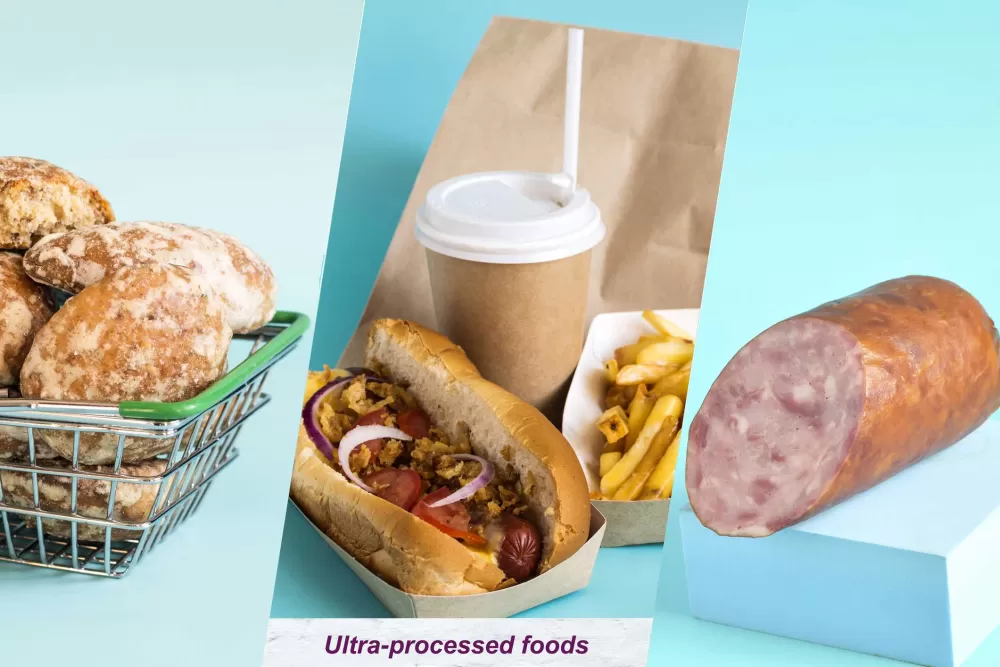
In our fast-paced world, ultra-processed foods (UPFs) have become an undeniable staple in many diets. You know the ones – those convenient snacks, ready meals, and sugary drinks that fill our supermarket aisles. But as we reach for that quick fix, a growing conversation surrounds their potential impact on our health, particularly when it comes to serious conditions like colorectal cancer. It's a topic that has researchers busy, and as it turns out, the answers aren't always as straightforward as we might hope.
For a while now, alarm bells have been ringing. Studies, including a significant one published in The BMJ back in August 2022, have highlighted concerning associations. That particular research found that men who consumed a lot of ultra-processed foods faced a 29% higher risk of developing colorectal cancer. Imagine that! For women, however, the link wasn't as clear-cut in that specific study, suggesting gender might play a role in how these foods affect us. Dr. Fang Fang Zhang, a cancer epidemiologist and co-senior author at the Friedman School of Nutrition Science and Policy, along with lead author Lu Wang, have been instrumental in this ongoing exploration, often pointing to these dietary patterns.
Further adding to this concern, a 2025 study brought to light another worrying trend: ultra-processed foods appeared to increase colorectal cancer risk specifically in women under the age of 50. This is especially pertinent as we've seen a rise in early-onset colorectal cancer, and understanding all potential contributors is absolutely vital. The sheer complexity of these foods – often loaded with refined sugars, unhealthy fats, and artificial additives, while being low in fiber and essential nutrients – makes them prime suspects for disrupting gut health and inflammation, pathways thought to contribute to cancer development.
Yet, here's where the plot thickens a bit. Other comprehensive research suggests that painting all ultra-processed foods with the same brush might be an oversimplification. For instance, a study involving over 400,000 adults, conducted by researchers at the National Cancer Institute (NCI) and Moffitt Cancer Center, found no overall association between general ultra-processed food intake and colorectal cancer incidence. This doesn't mean we should throw caution to the wind, but it does highlight the nuances. Dr. Megan Delisle, a surgical oncologist at Moffitt Cancer Center, has often spoken about these varying findings, emphasizing that the devil is likely in the details – specifically, which types of ultra-processed foods we're talking about.
It seems that not all UPFs are created equal. In fact, some studies have even shown inverse associations for certain categories. For example, some ultra-processed dairy products, like specific types of yogurt, were inversely linked to colorectal cancer risk in women. This is a bit of a head-scratcher, isn't it? It means we can't simply categorize every single item produced in a factory as inherently 'bad' without deeper investigation into its specific composition and preparation.
So, what are we to make of these seemingly conflicting reports? It's important to remember that much of this research, while valuable, is observational. This means it can show an association, but it can't definitively prove that ultra-processed foods cause colorectal cancer. There are always other lifestyle factors at play, and separating them is incredibly difficult. Plus, dietary habits are tricky to track; many studies only measure intake once at the beginning, meaning they miss any changes people might make over time. This leaves us with a mosaic of findings rather than a single, clear picture.
Ultimately, while the link between ultra-processed foods and conditions like heart disease, type 2 diabetes, and obesity seems quite clear, its connection to colorectal cancer is still being meticulously untangled. What we do know is that a diet rich in whole, unprocessed foods – think fruits, vegetables, whole grains, and lean proteins – remains the gold standard for overall health. As scientists continue to delve deeper into the specific ingredients and mechanisms at play, perhaps the most sensible approach for us is to be mindful of our choices and lean towards the natural whenever possible. Our health, after all, is worth the extra thought.
Editorial note: Nishadil may use AI assistance for news drafting and formatting. Readers can report issues from this page, and material corrections are reviewed under our editorial standards.