
The Great Acceleration: Why Human Evolution Never Stopped, It Only Sped Up
- Nishadil
- April 16, 2026
- 0 Comments
- 3 minutes read
- 33 Views
- Save
- Follow Topic
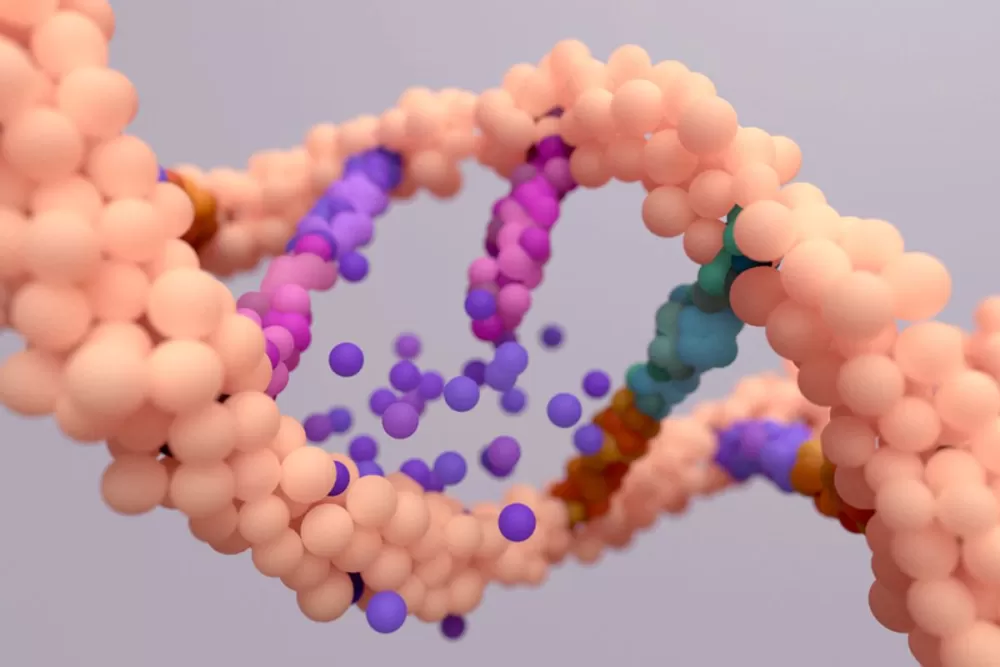
Ancient DNA Reveals Human Evolution Didn't Slow Down – It Exploded After Farming
Contrary to popular belief, human evolution didn't halt with the emergence of Homo sapiens. New research using ancient DNA shows our species actually evolved faster than ever after the advent of agriculture.
For the longest time, many of us, perhaps even subconsciously, nurtured this idea that human evolution kind of hit a plateau once we became Homo sapiens. You know, the thinking went something like this: we got our big brains, developed complex tools, figured out language, and then… well, we were pretty much done. The slow, arduous march of natural selection seemed to recede into the distant past, leaving us, modern humans, as the finished product, more or less.
But hold on a minute, because ancient DNA is telling a completely different, and frankly, far more exciting story. Instead of coasting, our evolutionary engine actually accelerated dramatically, particularly after one of the most significant shifts in human history: the advent of agriculture. It's a revelation that genuinely challenges our comfortable assumptions about our own species.
So, what happened? The catalyst? None other than the humble beginnings of farming. Imagine: small, scattered hunter-gatherer bands suddenly congregating in denser, more settled communities. This wasn't just a minor tweak; it was a seismic shift in our lifestyle, our diet, our social structures, and crucially, our exposure to pathogens. This massive change wasn't just about having a more reliable food source; it introduced entirely new and intense selective pressures that our ancestors simply hadn't encountered before.
Think about it: before agriculture, humans lived in smaller, more isolated groups. Disease outbreaks might have been localized. Diets were varied but wild. But with farming came domesticated animals, denser populations, and a narrower range of staple crops. Suddenly, new diseases could spread like wildfire through closely packed communities, and specific nutritional challenges became widespread. This, in turn, put incredible pressure on our genes to adapt, and quickly.
The evidence, unearthed from the very DNA of our ancient forebears, is pretty compelling. Take lactase persistence, for instance. The ability to digest milk into adulthood isn't some ancient, universal trait. It's a relatively recent genetic adaptation that evolved independently in several populations, primarily in groups that began domesticating dairy animals and relying on their milk. It's a perfect example of a clear evolutionary response to a new food source introduced by agriculture.
And it wasn't just diet. Our ancestors faced a whole new onslaught of diseases as they lived closer to each other and to livestock. We see genetic signatures for increased resistance to common diseases like malaria or even smallpox emerging and spreading rapidly through populations in farming regions. Even traits like changes in skin pigmentation, or adaptations to high altitudes, demonstrate continuous and localized evolutionary pressures acting on human populations throughout history. It's clear that natural selection was, and still is, working overtime.
Think about it this way: more people mean more opportunities for beneficial mutations to arise. And more intense, widespread selective pressures mean those advantageous traits can spread through the population at an incredible speed. It’s like throwing a whole new set of complex challenges at a species, and humanity, in its typical resilient fashion, rose to the occasion by evolving.
So, next time you pour milk into your coffee, or simply reflect on our journey as a species, remember this: we are, quite literally, products of an ongoing, dynamic, and surprisingly fast-paced evolutionary story. Our genes are still adapting, still changing, proving that human evolution is not a relic of the past, but a living, breathing process that continues to shape who we are.
Editorial note: Nishadil may use AI assistance for news drafting and formatting. Readers can report issues from this page, and material corrections are reviewed under our editorial standards.












