The Grand Paradox: Navigating India's Complex Democratic Future
- Nishadil
- May 16, 2026
- 0 Comments
- 3 minutes read
- 31 Views
- Save
- Follow Topic

Amanpour Unpacks India's Democratic Crossroads with Dr. Newton and Priya Bhatia
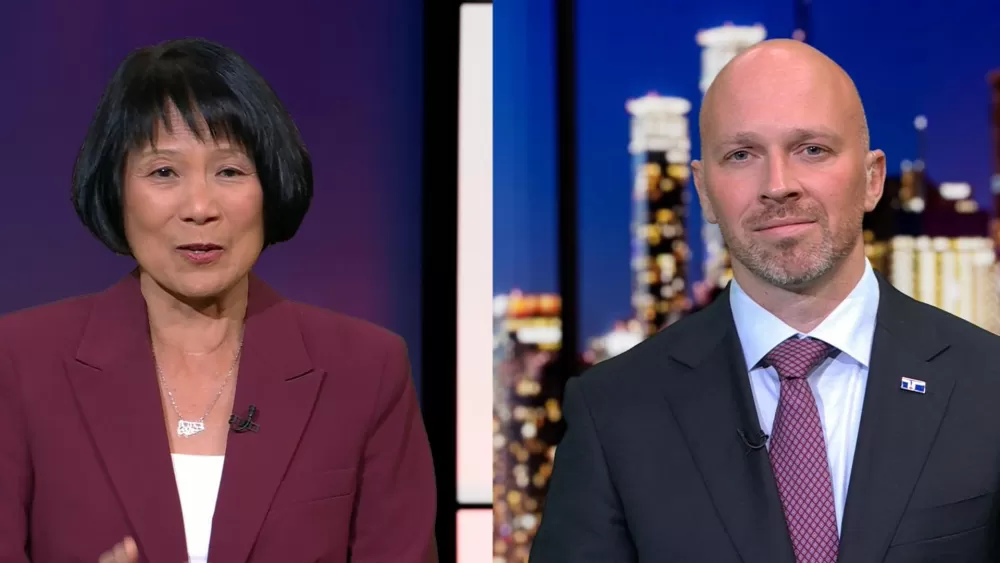
Christiane Amanpour leads a riveting discussion with international affairs expert Dr. Evelyn Newton and veteran Indian journalist Priya Bhatia, delving deep into the multifaceted challenges and incredible resilience defining modern India's democratic journey.
You know, there are some conversations that just stick with you, long after the camera lights dim and the sound bites fade. And Christiane Amanpour's recent panel, featuring the sharp insights of international relations scholar Dr. Evelyn Newton and the seasoned perspective of Indian journalist Priya Bhatia, was absolutely one of them. It wasn't just another news segment; it was a deeply thoughtful exploration of India, a nation so vast and vibrant, currently navigating a truly fascinating, if at times perplexing, democratic path.
Amanpour, with her signature probing style, didn't shy away from the tough questions, did she? She set the stage by acknowledging India's monumental achievements – the sheer scale of its democracy, its economic rise, its cultural impact on the global stage. But, as any good journalist knows, the real story often lies in the nuances, the cracks, the whispered concerns. And that's precisely where the discussion truly took flight.
Dr. Newton, I thought, offered such a vital external perspective. She eloquently articulated how many outside observers, while admiring India's democratic foundation, are now watching with a mixture of hope and genuine concern. She pointed to specific trends, things like the growing pressures on civil society organizations and, crucially, the state of press freedom. It's not just about what's being said, but who's being allowed to say it, and what happens to those who speak out too loudly. It made you wonder, really, about the fine line between national security and silencing dissent, didn't it?
Priya Bhatia, bless her, brought the essential on-the-ground reality to the table. As someone who lives and breathes Indian journalism, she offered a view that was both critical and deeply empathetic. She spoke about the challenges faced by independent media, the economic pressures, and yes, even the chilling effect that can sometimes creep in when reporting on powerful figures or sensitive topics. Yet, she also highlighted the remarkable resilience within Indian society itself – the countless activists, artists, and citizens who continue to push for change, who refuse to be silenced. It was a powerful reminder that democracy isn't just about institutions; it's about the people who fight for it, day in and day out.
What struck me most about the whole discussion was this beautiful tension, this inherent paradox. On one hand, you have a nation of incredible potential, an undeniable global player, a diverse tapestry of cultures and beliefs. On the other, you have these very real anxieties about democratic norms, about protecting minority voices, and ensuring that the pillars of a free society remain strong and unyielding. It's a balancing act, to say the least, and one that has profound implications not just for India, but for democracies worldwide, frankly.
As the conversation wrapped up, I couldn't help but feel a sense of renewed urgency. India isn't just some distant land; its journey, its struggles, its triumphs, they resonate universally. This isn't just a story about India; it's a mirror reflecting the global challenges to democratic ideals everywhere. Amanpour, Newton, and Bhatia didn't offer easy answers – because, let's be honest, there aren't any. But they did something perhaps even more important: they illuminated the complexities, prompted deeper thought, and reminded us all that the health of any democracy requires constant vigilance, spirited debate, and a unwavering commitment to those core freedoms we often take for granted.
Editorial note: Nishadil may use AI assistance for news drafting and formatting. Readers can report issues from this page, and material corrections are reviewed under our editorial standards.