
The Grand Design: Unraveling How DART Decides Where Your Next Station Goes
- Nishadil
- April 18, 2026
- 0 Comments
- 3 minutes read
- 42 Views
- Save
- Follow Topic
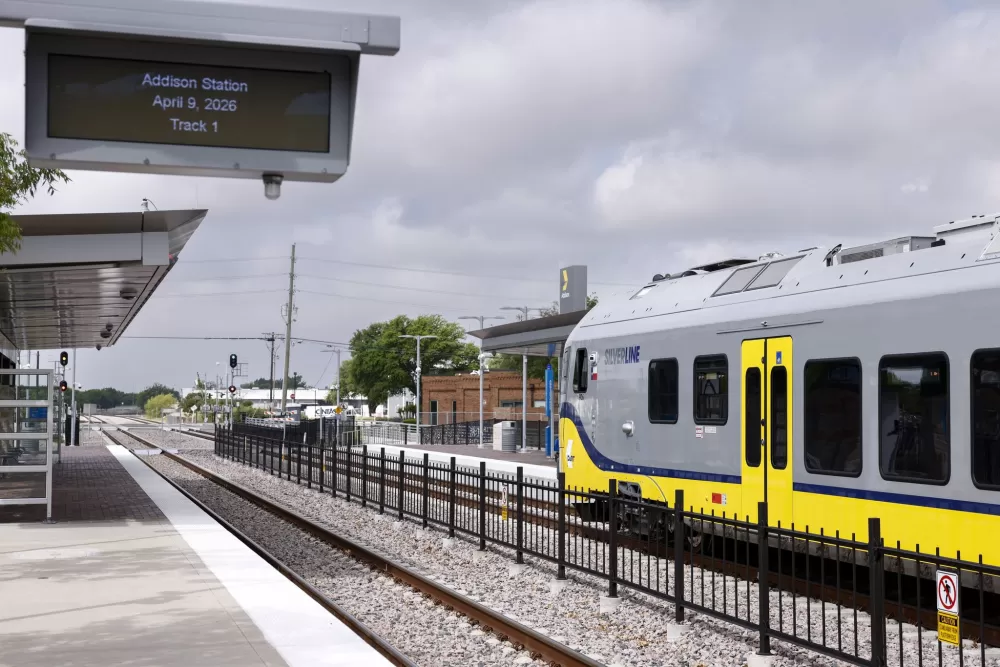
More Than Just a Spot on the Map: The Intricate Process Behind DART Station Placement
Ever wondered how Dallas Area Rapid Transit (DART) picks the perfect spot for its stations? It's far more complex than a simple dart throw, involving a fascinating blend of urban planning, community needs, and strategic foresight.
We've all been there, perhaps standing at a DART station, or maybe even just driving by one, and a thought flickers: "How in the world did this particular spot get chosen?" It’s not just a matter of pointing at a map, oh no. The process behind where Dallas Area Rapid Transit (DART) decides to plant its stations is actually a deeply thoughtful, multi-faceted journey, one that truly shapes the very fabric of our communities.
Think about it for a moment. You see, DART isn't just about moving trains and buses; it's about connecting people, fostering economic growth, and enhancing urban life. So, when it comes to placing a new station, they're looking at a whole kaleidoscope of factors. It starts, quite often, with the basics: where do people live? Where do they work? High-density residential areas and bustling employment centers are naturally prime candidates, offering the promise of robust ridership.
But it's not just current populations they consider. DART, like any good planner, has an eye firmly on the future. They look at the potential for "Transit-Oriented Development" (TOD). This is where things get exciting! Imagine an area that, while perhaps not fully developed now, has incredible potential for new housing, shops, and offices to sprout up around a future station. It's a synergistic dance, really: the station attracts development, and the development brings more riders to the station. It's about building a vibrant future, not just serving the present.
Then there's the nitty-gritty of logistics and, well, money. Are there existing rail corridors that can be utilized, saving immense costs and disruption? Or does new land need to be acquired, which can be a lengthy and expensive endeavor? Environmental impact studies are a must, ensuring that any new development is sustainable and responsible. And, of course, the sheer cost of construction and ongoing maintenance plays a huge role in what's feasible.
Perhaps most importantly, it’s a process steeped in community engagement. DART doesn't just make these decisions in a boardroom vacuum. They talk to us! Public meetings, surveys, discussions with city councils and local stakeholders—all these elements are crucial. They want to hear what residents need, where they want to go, and what concerns they might have. It's a collaborative effort to ensure that these stations truly serve the people who use them every single day.
So, the next time you hop on a DART train or bus, take a moment to appreciate the incredible thought, planning, and community input that went into placing that very station. It’s a testament to urban planning done right, aiming to build a more connected, accessible, and thriving North Texas for everyone.
- UnitedStatesOfAmerica
- News
- Technology
- Transportation
- TechnologyNews
- UnitedStates
- Garland
- UrbanPlanning
- NorthTexas
- CommunityEngagement
- PublicTransit
- CityPlanning
- Plano
- Dart
- HighlandPark
- TransportationInfrastructure
- TransitOrientedDevelopment
- TheDallasMorningNews
- Carrollton
- Addison
- DallasAreaRapidTransit
- TheNews
- FarmersBranch
- CuriousTexas
- TpDart
- TpTransportation
- BusStopImprovementRequest
- ParkCities
- GlennHeights
- AdoptACan
- LillyKersh
- CockrellHill
- DartStations
Editorial note: Nishadil may use AI assistance for news drafting and formatting. Readers can report issues from this page, and material corrections are reviewed under our editorial standards.









