
The Geopolitical Shadow: How West Asia's Turmoil is Stalling India's Ambitious Trade Deal with the GCC
- Nishadil
- April 21, 2026
- 0 Comments
- 3 minutes read
- 40 Views
- Save
- Follow Topic
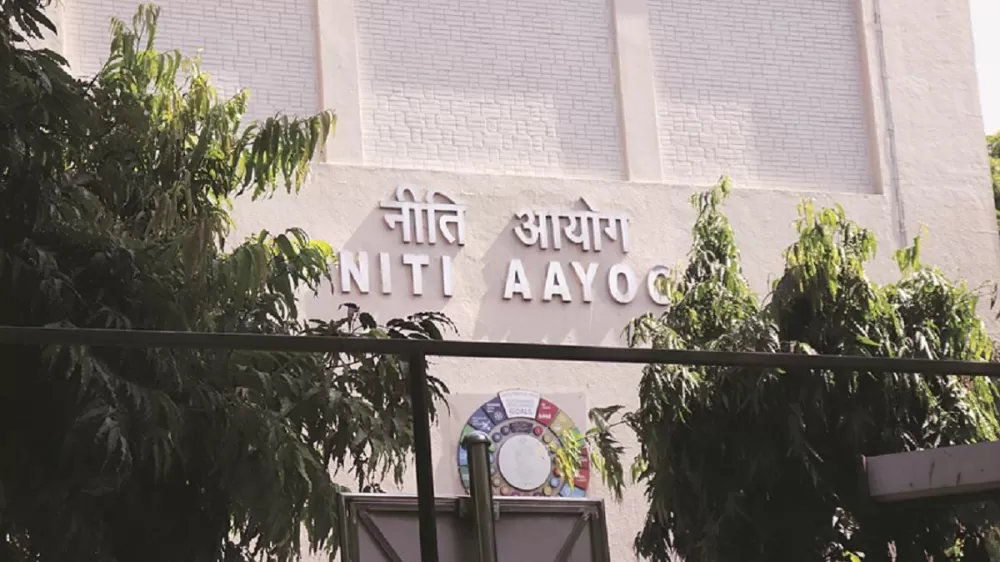
West Asia Conflict Puts India-GCC Free Trade Talks on Hold, Confirms NITI Aayog
India's highly anticipated Free Trade Agreement negotiations with the Gulf Cooperation Council have hit a significant pause, directly impacted by the escalating geopolitical unrest in West Asia. This delay postpones a crucial economic deal for one of India's largest trading partners.
Well, it seems even the most promising economic partnerships aren't immune to the winds of geopolitical change. India's ambitious plans to forge a comprehensive Free Trade Agreement (FTA) with the Gulf Cooperation Council (GCC) have, regrettably, hit a significant pause. The reason? The escalating, and frankly, deeply concerning, conflict engulfing West Asia.
The head of India's premier policy think tank, NITI Aayog's CEO B.V.R. Subrahmanyam, recently confirmed this unfortunate development. Speaking with a candidness that's quite refreshing, he highlighted how the ongoing Red Sea crisis, coupled with the tragic Israel-Hamas conflict, has created an environment simply too unstable for meaningful, focused negotiations. It's a bit like trying to build a complex structure in the middle of a storm, isn't it? The focus shifts, understandably, to more immediate concerns.
This isn't just any trade deal, mind you; it's a colossal one. Think about it: trade between India and the GCC nations soared to a staggering $184 billion in the last fiscal year alone. That's not small change, folks; it makes the GCC our single largest trading partner bloc. The potential benefits of an FTA – reduced tariffs, streamlined customs, enhanced investment flows – would undoubtedly turbocharge this already robust relationship, bringing immense economic gains for both sides. It's about securing supply chains, fostering deeper strategic ties, and truly unlocking a new era of cooperation.
But alas, when regional stability takes a hit, diplomatic bandwidth tends to shrink. The urgency of addressing conflicts, safeguarding shipping routes, and navigating humanitarian crises understandably overshadows the intricate, often painstaking process of trade negotiations. Subrahmanyam didn't mince words, suggesting that while the commitment from both India and the GCC remains strong, the current geopolitical climate simply isn't conducive to moving forward effectively.
Interestingly, this news comes hot on the heels of India successfully signing a landmark Free Trade Agreement with the European Free Trade Association (EFTA) – a real feather in its cap. This EFTA deal showcased India's modern approach to trade agreements, focusing on a broad 'trade and investment agreement' rather than just goods. The same progressive template was very much envisioned for the GCC negotiations, promising a comprehensive pact covering everything from services and digital trade to investment protection. It shows India's readiness, even eagerness, to strike these vital deals.
But it's not all doom and gloom, not by a long shot. There's a palpable sense of optimism that once the dust settles, perhaps after the upcoming general elections in India and a significant de-escalation of tensions in West Asia, these crucial talks will swiftly resume. Both parties recognise the sheer strategic and economic imperative of this partnership. So, for now, it's a waiting game. A difficult waiting game, certainly, but one rooted in the shared understanding that some things are simply too important to rush, especially when the world around them is in such turmoil. Let's hope for calmer seas, sooner rather than later, so these vital economic bridges can be fully built.
Editorial note: Nishadil may use AI assistance for news drafting and formatting. Readers can report issues from this page, and material corrections are reviewed under our editorial standards.


