The Gathering Storm: Unpacking the Dire Prospect of a US-Israel-Iran Conflict
- Nishadil
- April 02, 2026
- 0 Comments
- 4 minutes read
- 28 Views
- Save
- Follow Topic

On the Brink: Why a US-Israel-Iran Confrontation Looms Larger Than Ever
As geopolitical tensions simmer, experts are increasingly concerned about the potential for a catastrophic conflict involving the United States, Israel, and Iran, analyzing the complex triggers and severe global implications.
Let's be honest, the phrase "US-Israel-Iran war" isn't just a hypothetical for some distant, dystopian future anymore. It’s a concept that, regrettably, has been inching closer to the forefront of global concerns, stirring a knot in the stomachs of leaders and citizens alike. The Middle East, always a geopolitical powder keg, feels particularly volatile right now, with a cocktail of historical grievances, modern ambitions, and high-stakes brinkmanship pushing the region towards a precipice no one truly wants to cross.
It’s a tangled web, isn't it? For decades, the relationship between the United States and Israel on one side, and Iran on the other, has been characterized by mistrust, proxy conflicts, and a chilling rhetoric that often teeters on the edge of outright hostility. This isn't merely about political disagreements; it's about deeply entrenched national security concerns, perceived existential threats, and a fierce contest for regional dominance that has profound implications far beyond its immediate borders.
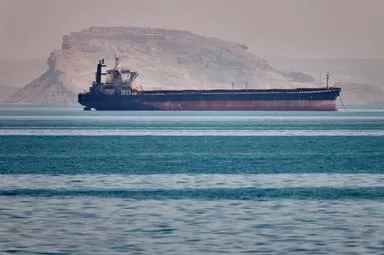
One can almost feel the air crackle with tension, especially when we consider recent developments. Whether it’s the steady progression of Iran's nuclear program, a constant source of anxiety for many, or the frequent skirmishes involving Iranian-backed groups and Israeli forces, or even the heightened naval presence in vital shipping lanes – each incident, each pronouncement, feels like another turn of the screw. It's a dangerous game of chicken, with all parties seemingly convinced they cannot afford to back down.
For the United States, it's a tightrope walk. Committed to Israel's security, and with significant interests in Gulf stability and global energy flows, Washington finds itself constantly navigating a complex landscape. The pressure to deter Iranian aggression, protect allies, and yet avoid being dragged into a full-scale regional conflagration is immense. There are no easy answers, only incredibly difficult choices with far-reaching consequences.
From Israel's vantage point, Iran’s nuclear ambitions and its network of proxy militias represent an unacceptable red line, a direct and existential threat to its security. The impulse to act decisively, to preemptively dismantle what it perceives as an escalating danger, is palpable. One can understand the urgency, the feeling that time is running out to prevent a scenario they deem catastrophic.
Iran, for its part, views American and Israeli actions as imperialistic interference, a continuous effort to undermine its sovereignty and regional influence. Fueled by a deep-seated sense of grievance and a desire to assert its own power, Tehran continues to develop its capabilities, often through unconventional means, believing it’s essential for its defense and national pride. This clash of narratives and perceived injustices only further complicates any hope for de-escalation.
Let's not mince words: a full-blown conflict involving these powers would be a catastrophe beyond measure. Imagine the regional devastation, the immense loss of life, the displacement of millions. The global economy, already fragile, would undoubtedly reel from disrupted oil supplies and shattered confidence. We're talking about ripple effects that would touch every corner of the globe, affecting trade, stability, and humanitarian efforts on an unprecedented scale.
So, where do we go from here? The path to de-escalation, to finding a way back from the brink, is fraught with immense difficulty. It requires not just careful diplomacy, but a genuine willingness from all sides to understand the other's core fears and red lines, to engage in dialogue, and perhaps most importantly, to exercise restraint. The alternative, frankly, is too terrifying to contemplate.
As we look ahead, the hope remains that cooler heads will ultimately prevail, that the wisdom to avoid such a devastating conflict will guide decisions in the coming months and years. The prospect of a US-Israel-Iran war isn't just a headline; it's a future we desperately hope to avoid, a stark reminder of how fragile the threads of peace can truly be in our interconnected world.
- UnitedStatesOfAmerica
- Business
- News
- WorldNews
- Crime
- CrimeNews
- GeneralNews
- Religion
- Fires
- WashingtonNews
- RegionalStability
- InternationalSecurity
- DiplomaticEfforts
- WarAndUnrest
- MiddleEastTensions
- MilitaryAndDefense
- InternationalAgreements
- IranNuclearProgram
- Waterways
- GeopoliticalCrisis
- ProxyWars
- GlobalImplications
- IranWar
- UsIsraelIranConflict
- WarProspects
Editorial note: Nishadil may use AI assistance for news drafting and formatting. Readers can report issues from this page, and material corrections are reviewed under our editorial standards.