The Future of Groceries: How Kroger is Winning with AI
- Nishadil
- April 18, 2026
- 0 Comments
- 4 minutes read
- 41 Views
- Save
- Follow Topic
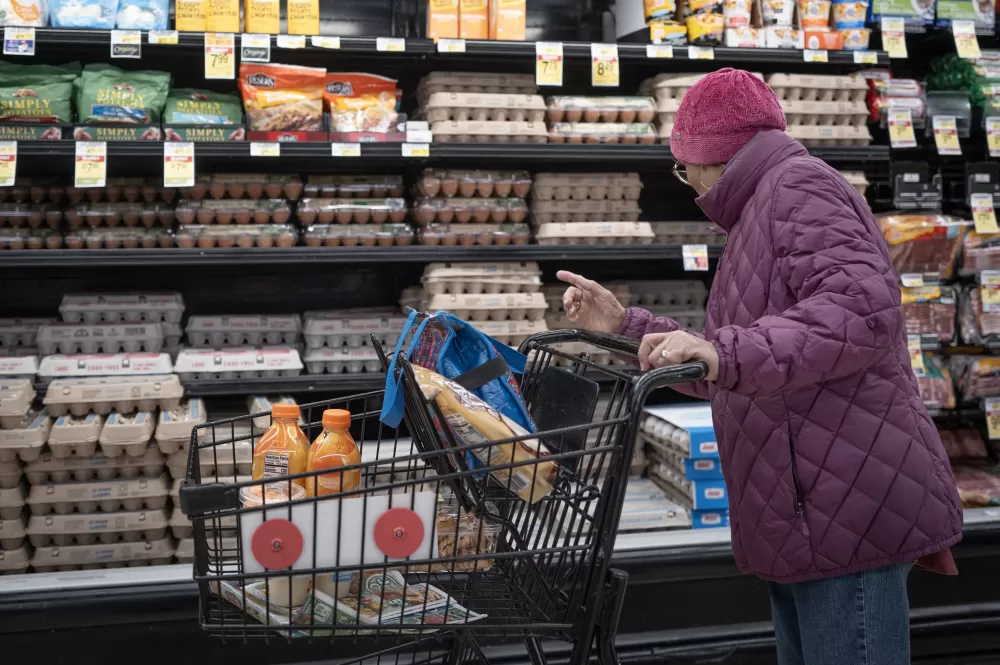
Kroger Taps AI for a Sharper Edge in Pricing and a Powerful Attack on Food Waste
Explore how grocery behemoth Kroger is ingeniously employing artificial intelligence to offer more competitive prices and dramatically slash food waste, setting new standards for efficiency and sustainability.
You know, the grocery business is an incredibly challenging arena. Margins are notoriously thin, competition is fierce, and consumers, quite rightly, are always on the lookout for the best deal. Add to that the pervasive and troubling issue of food waste, which is not only an environmental tragedy but also a significant drain on profits. But what if a major player like Kroger found a truly clever way to tackle both of these colossal challenges head-on, leveraging something as advanced as artificial intelligence? Well, that's precisely what seems to be unfolding, and it's absolutely fascinating to watch.
It turns out Kroger isn't just tentatively exploring AI; they're really diving deep, especially when it comes to securing a tangible edge in how they price products and, perhaps even more critically, how they drastically cut down on food waste across their vast network of stores. Think about it for a moment: a typical grocery store manages thousands upon thousands of individual items, each with its own unique demand patterns, varying shelf life, and distinct price sensitivities. Attempting to manage all of that manually is an almost insurmountable task, ripe for errors and profound inefficiencies.
This is precisely where AI steps in, acting as an undeniable game-changer. For pricing, sophisticated AI algorithms can meticulously analyze mountains of diverse data points—everything from extensive historical sales records, specific local demographics, real-time competitor pricing, and even dynamic factors like current weather patterns or upcoming community events. Armed with these incredibly intelligent insights, Kroger can then fine-tune its prices with a precision that was previously unimaginable, ensuring they remain intensely competitive while consistently delivering genuine value to their customers. It's not about price gouging; it's about being remarkably smarter and more agile, sometimes even enabling highly personalized promotions that genuinely save shoppers money exactly when they need it most. That kind of dynamic, responsive pricing strategy undeniably grants them a distinct competitive advantage in what is a very crowded marketplace.
But the narrative doesn't conclude there, and perhaps the more profoundly impactful benefit lies in their vigorous battle against food waste. This particular challenge has been a stubborn antagonist plaguing the entire retail food industry for decades. Just picture perfectly good food, still entirely edible, being tragically discarded simply because stores ordered too much, or couldn't sell it before its natural expiration date. Here again, AI lends a crucial hand, helping Kroger predict demand with a level of accuracy that was utterly beyond imagination just a few years ago. By knowing almost exactly how many avocados, or how many loaves of a particular artisan bread, will sell in a specific store on a given day, they can optimize their inventory orders with pinpoint accuracy. This intelligent foresight means significantly less overstocking, dramatically fewer items expiring on shelves, and ultimately, substantially less food sadly ending up in landfills.
It’s truly a powerful and elegant combination, isn't it? By intelligently managing both their pricing strategies and their intricate inventory with the power of AI, Kroger is not only solidifying and strengthening its already formidable position within the intensely competitive grocery landscape but is also making truly meaningful strides towards a future of greater operational efficiency and, critically, enhanced sustainability. It's a clear win-win situation, really: shoppers potentially benefit from better deals and consistently fresher products, while the company itself saves considerable money and contributes positively to a healthier planet by significantly reducing its environmental footprint. This isn't just about deploying cool new technology; it's about applying cutting-edge innovation to solve tangible, real-world problems that directly affect all of us, from the contents of our wallets to the overall health of our environment. It truly highlights how intelligent systems can usher in practical, positive change across even the most traditional of everyday industries.
- Health
- UnitedStatesOfAmerica
- Business
- News
- BusinessNews
- HealthNews
- Shopping
- Economy
- Retail
- RetailIndustry
- Videos
- Inflation
- ConsumerAffairs
- ConsumerPrices
- Cnbc
- Neutral
- KrogerCo
- InventoryOptimization
- OnlineRetail
- GroceryPrices
- WalmartInc
- SupermarketTechnology
- CnbcTv
- ConsumerFinance
- FoodWasteReduction
- DynamicPricing
- VideoFirst
- SustainableGroceries
- DigitalOriginal
- KrogerAi
- ArtificialIntelligenceRetail
Editorial note: Nishadil may use AI assistance for news drafting and formatting. Readers can report issues from this page, and material corrections are reviewed under our editorial standards.