The Foldable Face-Off: Unpacking the Hype Around Apple's iPhone Fold vs. Samsung's Galaxy Z Fold 8
- Nishadil
- April 21, 2026
- 0 Comments
- 5 minutes read
- 27 Views
- Save
- Follow Topic
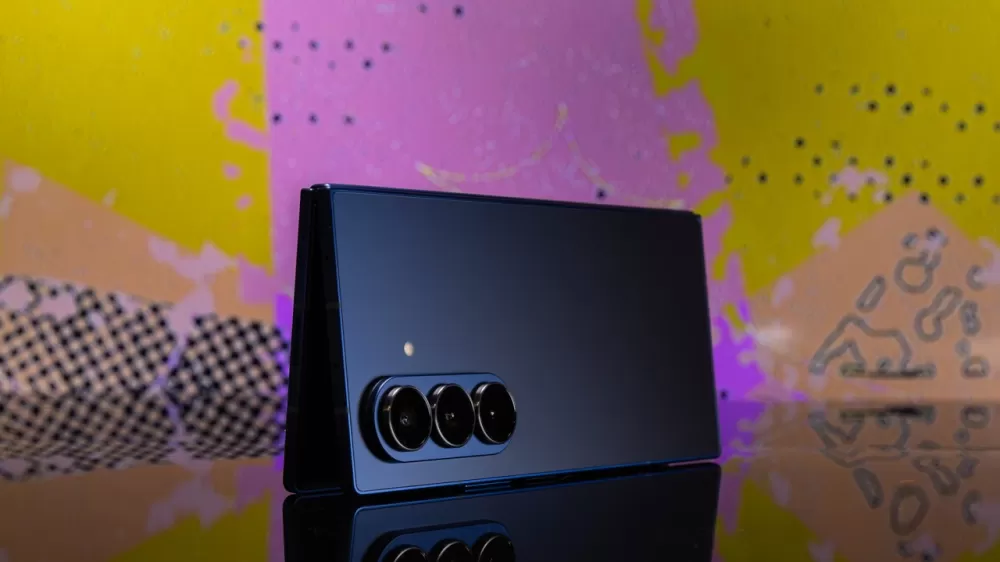
iPhone Fold vs. Galaxy Z Fold 8: What Leaks Tell Us About the Future of Foldables
Dive into the speculative world of future foldables as we compare the rumored iPhone Fold's unique approach with Samsung's iterative Galaxy Z Fold 8, based on the latest leaks and industry whispers.
Okay, let’s dive into something truly fascinating in the tech world: the ever-present buzz around foldable phones, and more specifically, the whispered showdown between an eventual Apple “iPhone Fold” and Samsung’s anticipated Galaxy Z Fold 8. It’s a comparison that lives almost entirely in the realm of speculation and leaks, yet it’s absolutely captivating to consider how these two titans might approach such a revolutionary device category.
Samsung, as we all know, has been leading the charge, a true pioneer in the foldable space. They've been iterating, learning, and refining their Z Fold series for years now. When we talk about the Galaxy Z Fold 8, we’re picturing a device that builds upon generations of experience – likely offering further improvements to the hinge, a less noticeable screen crease, enhanced durability, and more sophisticated software integration. Samsung isn't just making foldables; they're defining the current mainstream foldable experience, pushing the boundaries year after year, sometimes with incremental steps, sometimes with surprising leaps.
But then there's Apple. Ah, Apple. Their approach to new product categories is famously — or infamously, depending on your patience — slow and deliberate. They don't jump on trends; they wait, they watch, and when they finally do enter, they often aim to redefine the entire segment. This is precisely why the "iPhone Fold" (or whatever name it eventually takes) is such an enigma. The tech grapevine has been buzzing for years about patents and prototypes, but a commercial launch feels like it's still way off in the future. The prevailing wisdom is that Apple won't release a foldable until they're convinced they can deliver an experience that’s not just good, but perfectly Apple – seamless, intuitive, and, crucially, without the compromises that early adopters of other foldables have sometimes faced.
So, what do these tantalizing leaks suggest about how they might actually differ? Well, let’s start with the design philosophy. Samsung’s Z Fold line has largely stuck to the “book” style – a larger inner screen that folds closed like a paperback, complemented by a useful outer display. We can expect the Z Fold 8 to continue refining this proven formula. Apple, on the other hand, might just throw us a curveball. Some rumors hint at a potential clamshell design first, similar to the Z Flip, before tackling a larger tablet-like foldable. Others suggest a completely unique hinge mechanism that could virtually eliminate the dreaded screen crease, a persistent challenge for all current foldables. Apple's notorious attention to industrial design would likely mean a sleek, robust device, possibly with materials we haven't seen extensively in foldables yet.
The display itself is another absolutely crucial battleground. Samsung has made huge strides in minimizing the crease, but it’s still there, especially under certain lighting. If Apple does launch a foldable, you can bet they’ll pull out all the stops to make that crease as invisible as humanly possible, perhaps leveraging advanced display technology or a revolutionary hinge design from suppliers they've been working with behind the scenes. Think about their liquid metal patents or other innovative structural elements – these could play a significant role.
Then there's the software, which, for a foldable, is arguably as important as the hardware. Samsung's One UI on Android has evolved to handle multitasking and screen transitions on foldable displays quite adeptly. But imagine iOS on a foldable. Apple's ecosystem is renowned for its smooth, intuitive experience. How would they adapt their apps, their multitasking gestures, their entire user interface to seamlessly transition between a phone and a mini-tablet form factor? This is where Apple's long development cycle could really pay off, allowing them to craft a truly optimized, perhaps even groundbreaking, software experience that feels incredibly natural.
Ultimately, the biggest difference lies in their respective timelines and market approaches. Samsung is actively shaping the foldable market right now, refining its offerings and bringing these innovative devices to consumers year after year. Apple, true to form, is playing the long game. They’re observing, developing, and perfecting, likely waiting for component costs to drop and the technology to mature to a point where they can enter with a product that immediately feels mainstream and indispensable. When the iPhone Fold finally arrives, it won't just be another foldable; it will be Apple’s definitive statement on the future of mobile devices, likely designed to resonate with a much broader audience from day one.
So, while the Galaxy Z Fold 8 represents the exciting, continuous evolution of a well-established product line, the iPhone Fold remains a tantalizing mystery, a future vision that promises to challenge the very definition of what a foldable smartphone can be. It’s not just a race to fold a screen; it’s a fascinating look at two very different philosophies colliding in the most exciting tech frontier of our time.
Editorial note: Nishadil may use AI assistance for news drafting and formatting. Readers can report issues from this page, and material corrections are reviewed under our editorial standards.