
The Electric Dream: Unpacking the True Carbon Footprint of EVs in India
- Nishadil
- January 08, 2026
- 0 Comments
- 3 minutes read
- 55 Views
- Save
- Follow Topic
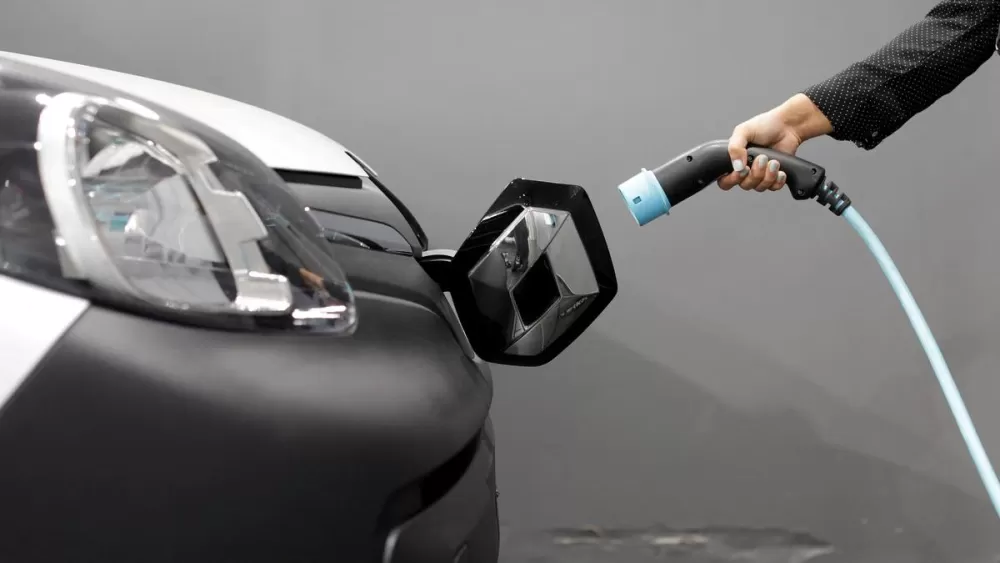
Beyond the Tailpipe: Why a Green Grid is Key to Truly Green EVs, Says IGL MD
Electric vehicles promise a cleaner future, but their real environmental impact hinges on how the electricity powering them is generated. In India, where coal still dominates the power sector, this presents a crucial challenge and opportunity.
We're all pretty excited about electric vehicles, aren't we? The idea of gliding down the road with zero tailpipe emissions, doing our bit for the planet – it's certainly compelling. But here’s the thing, and it’s a really important point that experts are keen for us to grasp: an EV is only as clean as the electricity that charges its battery. Think about it for a moment: if that power comes predominantly from burning fossil fuels, particularly coal, then we're not actually eliminating emissions; we're just shifting them from the vehicle's exhaust to the power plant's smokestack.
This nuanced but vital distinction was recently highlighted by Mr. Sanjay Kumar, the Managing Director of Indraprastha Gas Limited (IGL). He articulated quite clearly that the overall environmental benefits of electric vehicles, especially here in India, are inextricably linked to the 'carbon intensity' of our power generation. In simpler terms, how much carbon is released to produce each unit of electricity we consume? That, he stressed, is the make-or-break factor for EVs truly delivering on their green promise.
It's no secret that India is making impressive strides towards electric mobility. We see more EVs on the roads, the charging infrastructure is growing, and government initiatives like the FAME scheme are certainly pushing things forward. However, Mr. Kumar pointed out a significant hurdle: our national power grid still relies heavily on coal. Indeed, roughly 70% of India's electricity generation is currently coal-based. So, while we celebrate the clean air benefits in our cities from EVs, we absolutely must accelerate the decarbonization of our power sector simultaneously. Otherwise, the 'green' advantage becomes somewhat diluted, doesn't it?
This isn't to say that EVs aren't part of the solution; they absolutely are, forming a cornerstone of our future transport strategy. But the broader picture, as Mr. Kumar aptly explained, involves a holistic energy transition. This means not just focusing on vehicle electrification but also embracing other sustainable energy sources and fuels. He highlighted the significant potential of bio-CNG as a cleaner, transition fuel for various sectors, noting its availability and the mature infrastructure already in place for natural gas distribution. Imagine the immediate impact of using renewable bio-CNG in our existing transport fleet!
Beyond bio-CNG, the discussion naturally broadened to include other critical initiatives like ethanol blending in petrol, which significantly reduces our reliance on imported crude oil and lowers emissions. And then there's green hydrogen, often touted as the fuel of the future, offering truly zero-emission energy. These are not isolated efforts but rather interconnected pieces of a grander strategy to move India towards a cleaner, more sustainable energy landscape.
Ultimately, Mr. Kumar's message is a powerful reminder that our journey towards truly green transportation requires a two-pronged approach. We must continue to push for EV adoption, yes, but with equal, if not greater, vigour, we must transform how we generate the very electricity that powers them. Only then can we genuinely unlock the full, transformative environmental benefits that electric vehicles promise for India and, indeed, for the world.
Editorial note: Nishadil may use AI assistance for news drafting and formatting. Readers can report issues from this page, and material corrections are reviewed under our editorial standards.









