
The Echoes of Defiance: Remembering New Hampshire's Pine Tree Riot
- Nishadil
- April 19, 2026
- 0 Comments
- 4 minutes read
- 34 Views
- Save
- Follow Topic
Before the Shots Fired: New Hampshire's Daring Pine Tree Riot – An Early Spark of Revolution
Long before the Boston Tea Party, a lesser-known but equally significant act of defiance unfolded in the quiet woods of Weare, New Hampshire. It was the Pine Tree Riot, a potent precursor to the American Revolution, and it's a story worth revisiting.
When we talk about the American Revolution, our minds often jump straight to iconic moments, don't they? You know, the Boston Tea Party, Paul Revere's ride, Lexington and Concord. But history, like life itself, is rarely that straightforward. The truth is, the seeds of independence were sown in countless smaller, often overlooked acts of defiance, each one adding to a growing wave of colonial discontent. And one such powerful, yet frequently overshadowed, event took place right here in the rugged heart of New Hampshire: the legendary Pine Tree Riot.
Picture this: It's 1772, a full three years before the 'shot heard 'round the world.' Tensions with Mother England are simmering, especially over resources. The King, in his infinite wisdom (or so he thought), had laid claim to the grandest pine trees in the colonies – those towering giants deemed perfect for masts on Royal Navy ships. They were literally marked with the 'King's Broad Arrow,' a symbol that essentially said, 'Hands off, these belong to us.' Now, for the hardworking, self-sufficient folk of colonial New Hampshire, who relied on these very forests for their livelihoods and homes, this was a bitter pill to swallow. It felt like a direct assault on their autonomy, a constant reminder of British overreach.
The breaking point came, as it often does, with an official trying to enforce an unpopular law. A local sheriff, Benjamin Whiting, and his deputy had the unenviable task of confiscating lumber that supposedly violated these oppressive mast laws. Well, you can imagine how that went down. The people of Weare weren't about to stand idly by. They were, and still are, a fiercely independent bunch.
What happened next was pure colonial ingenuity and defiance. On a crisp April morning, a group of about twenty or thirty enraged colonists, their faces cleverly smudged with soot and lampblack to conceal their identities, descended upon Whiting's home. They didn't just protest, oh no. They demanded the release of their seized timber, and when met with resistance, they took matters into their own hands. They burst in, assaulted the sheriff and his deputy – not violently, mind you, but with a good old-fashioned beating with tree branches, even slicing off part of one man's ear. It was a clear, unmistakable message: "We will not be pushed around."
While perhaps not as bloody as some revolutionary battles, the Pine Tree Riot holds immense significance. It was, without a doubt, one of the earliest organized acts of resistance against British authority leading up to the war. It showcased the courage and conviction of ordinary colonists willing to stand up for what they believed was right, even against the might of the British Crown. It demonstrated a burgeoning sense of American identity, an unwillingness to passively accept imperial decrees.
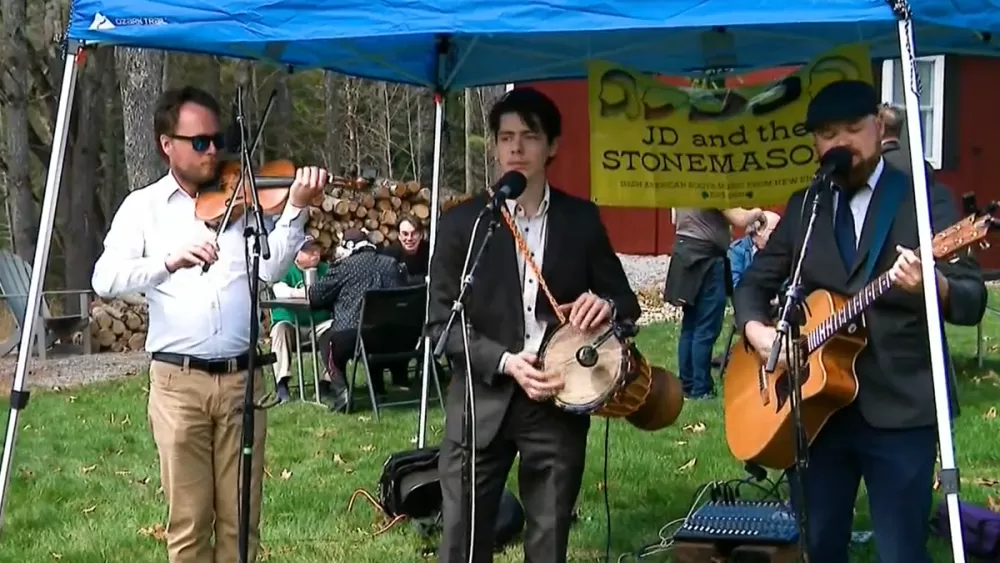
It’s truly wonderful to see that today, over two and a half centuries later, communities like Weare are still making an effort to remember and celebrate this pivotal moment. These commemorations aren't just about looking back; they're about understanding the deep roots of our nation's spirit, about honoring those who dared to challenge the status quo, and about appreciating that freedom often begins with acts of local, grassroots defiance. The Pine Tree Riot might not be a household name like the Boston Tea Party, but its echo of 'no taxation without representation' resonates just as powerfully, a testament to the enduring independent spirit of New Hampshire and, indeed, of America itself.
Editorial note: Nishadil may use AI assistance for news drafting and formatting. Readers can report issues from this page, and material corrections are reviewed under our editorial standards.













