The Earth Beneath Our Feet: India's Urgent Battle for Land and Future Amidst Climate Change
- Nishadil
- November 11, 2025
- 0 Comments
- 3 minutes read
- 54 Views
- Save
- Follow Topic

India's Climate Challenge: Protecting Land, Securing Tomorrow
As climate change reshapes India's landscape, threatening its land and vital resources, a profound question emerges: Are we truly ready for the future? This piece delves into the urgent need for a holistic strategy to safeguard the nation's integrity and its people.
You know, there’s a quiet, almost imperceptible shift happening beneath our feet in India—a seismic tremor, if you will, not of tectonic plates, but of climate change reshaping the very ground we stand on. It’s a challenge that, frankly, demands more than just a passing glance; it demands our full, unwavering attention. For a nation so deeply intertwined with its land—our agriculture, our water, our very livelihoods—the escalating climate crisis isn't some distant threat. No, it's very much here, now, unraveling the integrity of our cherished landscapes and, by extension, our future.
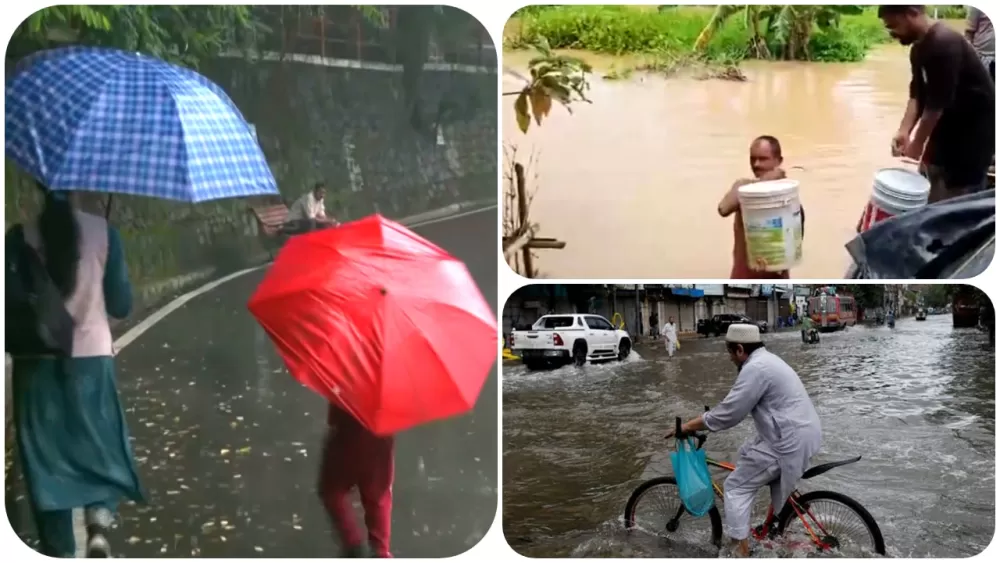
Just consider it: the rhythms of nature, once predictable companions to our farmers and communities, have become erratic, almost cruel. We're seeing it, aren't we? Unprecedented floods one season, then punishing droughts the next, and heatwaves that frankly, just feel relentless. These aren't isolated incidents, mind you. They're symptomatic of a larger, more insidious pattern that’s putting immense pressure on India's resources. And the truth is, it’s often the most vulnerable—those who live closest to the land, those with the least buffer—who bear the brunt of these increasingly severe weather events. It's a cruel irony, isn't it, that those least responsible for the crisis often suffer the most?
The damage, in essence, is multifaceted. It's in the soil erosion that washes away fertility, the dwindling groundwater tables that threaten our very thirst, and the disrupted crop cycles that imperil food security for millions. This isn't just about environmental degradation; it’s about a direct assault on human well-being and economic stability. You could say it’s a foundational crisis, undermining everything we've built, layer by painstaking layer. But here’s the thing, and it’s an important "but": while the challenges are daunting, they are not insurmountable. We absolutely have agency here.
What's truly needed, then, isn’t piecemeal solutions, but rather a robust, deeply integrated national strategy for climate adaptation. And let’s be honest, that means committing serious, sustained climate finance. It means moving beyond mere rhetoric to actual, tangible investments in resilient infrastructure, in early warning systems that genuinely protect lives, and in innovative farming techniques that can withstand a changing climate. Furthermore—and this is critical—any effective strategy must be rooted in accurate data, in scientific understanding, and perhaps most importantly, in the invaluable local knowledge of the communities directly affected. Their insights, their experiences, are frankly irreplaceable.
Because, you see, the resilience of a nation isn't solely built from the top down. It blossoms from the ground up, from empowered communities actively involved in shaping their own adaptation plans. It's about strengthening local governance, ensuring transparency, and fostering a sense of shared responsibility. For once, perhaps, we need to genuinely listen, to truly collaborate. The integrity of India's land, in its broadest sense, isn't just a geological or ecological concern; it's a profound social and moral one. And honestly, our capacity to prepare for and mitigate these impacts will ultimately define the health, prosperity, and indeed, the very future of our vibrant nation.
Editorial note: Nishadil may use AI assistance for news drafting and formatting. Readers can report issues from this page, and material corrections are reviewed under our editorial standards.