The Digital Dilemma: How Smartphones Are Silently Hurting Young India's Health
- Nishadil
- March 28, 2026
- 0 Comments
- 3 minutes read
- 27 Views
- Save
- Follow Topic

Beyond the Screen: Unpacking the Physical Toll of Excessive Smartphone Use on India's Youth
India's youth are deeply integrated with their smartphones, but this constant digital connection is quietly exacting a significant physical cost, from chronic neck pain to debilitating eye strain. It's a growing health concern that demands immediate attention and proactive solutions.
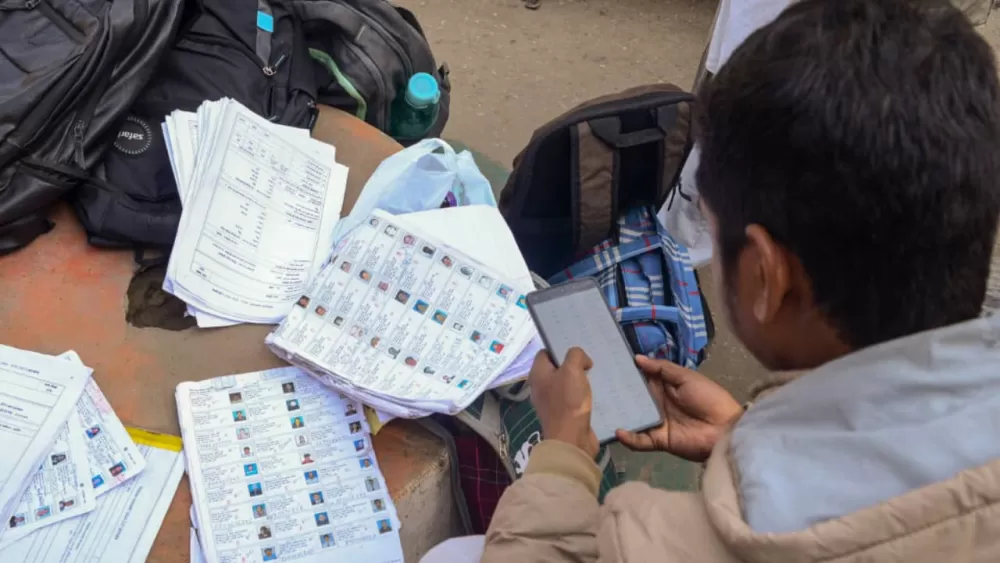
Walk into any classroom, café, or even a family gathering in India today, and you'll likely see it: heads bowed, eyes fixed on glowing screens. Our smartphones, these incredible pockets of connection and information, have truly woven themselves into the fabric of daily life, especially for the younger generation. But here's the thing, and it's a bit unsettling: this constant digital embrace is quietly exacting a very real, very physical toll.
Let's talk about 'text neck' – it's not just a catchy phrase, it's a genuine problem. Imagine spending hours each day with your head tilted forward, your chin almost touching your chest, staring down at your phone. That posture puts immense strain on your cervical spine, the part of your neck that's supposed to hold your head up straight. Over time, for India's youth, who are often in their developmental years, this isn't just discomfort; it's leading to chronic neck pain, stiffness, and even headaches. What begins as a minor ache can morph into something far more debilitating, impacting their ability to concentrate or even enjoy simple activities.
And then there are the eyes, those windows to the world now perpetually gazing at pixels. Digital eye strain is practically universal now, but for young people, it's particularly concerning. We're talking about dry, irritated eyes, blurred vision, and even persistent headaches. The problem often stems from reduced blinking rates when concentrating on a screen, the glare, and the close viewing distance. It's not just about discomfort in the moment; prolonged exposure without adequate breaks can contribute to more significant vision problems down the line, potentially altering their long-term ocular health.
It's not just the neck and eyes feeling the pinch, though. Our thumbs and wrists are also getting a workout they weren't really designed for. Think about the repetitive swiping, typing, and tapping. Many young people are developing what some call 'smartphone thumb' or experiencing symptoms eerily similar to carpal tunnel syndrome – that tingling, numbness, and pain in the hands and wrists. These aren't just minor annoyances; they're inflammatory responses to overuse, hindering fine motor skills and making everyday tasks uncomfortable.
Beyond these specific ailments, there's a broader issue at play: posture. The hunched-over smartphone pose contributes to poor overall posture, which can have ripple effects throughout the body, affecting everything from spinal alignment to breathing. Couple this with the increasingly sedentary lifestyle that often accompanies heavy screen use – less outdoor play, fewer active hobbies – and you've got a recipe for musculoskeletal problems that could plague these young individuals for decades.
So, what's to be done? It’s not about ditching our phones entirely, of course; that’s simply not realistic in today's world. But it is about mindful usage. Simple habits can make a huge difference. Encourage regular breaks – perhaps the 20-20-20 rule for eyes (every 20 minutes, look at something 20 feet away for 20 seconds). Promote better posture: hold the phone at eye level, stand up straight. Incorporate stretches and physical activity into daily routines. And crucially, limit overall screen time, especially before bed. If pain persists or becomes severe, seeking advice from a doctor or physiotherapist is absolutely essential. We need to remember that these devices are tools, not masters, and our health should always come first.
Editorial note: Nishadil may use AI assistance for news drafting and formatting. Readers can report issues from this page, and material corrections are reviewed under our editorial standards.