
The Daily Ritual of Matcha: A Deep Dive into Health and Harmony
- Nishadil
- April 05, 2026
- 0 Comments
- 4 minutes read
- 22 Views
- Save
- Follow Topic
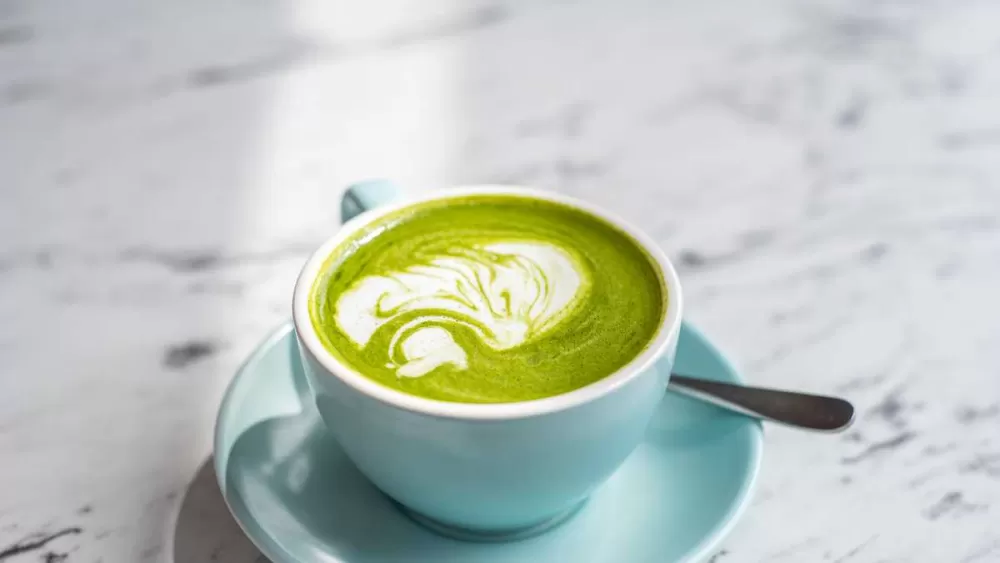
Sipping Matcha Daily: Unpacking the Green Elixir's Health Benefits and Considerations
Matcha, the vibrant green tea, has captivated health enthusiasts worldwide. But what truly happens when you make it a daily ritual? Let's explore its unique blend of calm energy and wellness, along with a few important considerations.
In our ever-accelerating world, finding a moment of calm, a little pocket of focused energy, feels like a true luxury. That's perhaps why matcha, that captivatingly vibrant green powdered tea, has soared in popularity. It's not just a drink; for many, it's become a daily ritual, a mindful moment in the midst of a busy day. But the big question many of us ponder is: is it truly healthy to drink matcha every single day?
Well, let's unpack this fascinating elixir. Unlike your standard steeped green tea, matcha involves consuming the entire tea leaf, meticulously ground into a fine powder. This unique preparation means you're getting a much more concentrated dose of all the good stuff the tea plant has to offer. Think about it – every sip is packed with a powerhouse of nutrients, not just what's diffused into the water.
At the heart of matcha's appeal are two particular compounds: L-theanine and a potent antioxidant called EGCG. L-theanine is quite special; it's an amino acid that works in beautiful synergy with the tea's natural caffeine. Instead of the jittery, anxious rush you might sometimes get from coffee, L-theanine promotes a state of calm alertness, enhancing focus and concentration without the dreaded crash. It's like having a gentle, guiding hand for your mind, helping you stay sharp and serene simultaneously. Many find it absolutely perfect for starting the day or pushing through that afternoon slump.
Then there's EGCG – epigallocatechin gallate, to be precise. This superstar antioxidant is present in significantly higher amounts in matcha compared to regular green tea, thanks to that whole-leaf consumption. EGCG is lauded for its potential to combat free radicals in the body, which, you know, can cause cellular damage and contribute to aging and various chronic diseases. Research suggests EGCG could play a role in everything from boosting metabolism and supporting heart health to even potentially offering protective effects against certain cancers. It’s a remarkable little molecule, really.
Beyond these star players, daily matcha consumption might also contribute to a healthier heart by helping to reduce bad cholesterol levels and lower blood pressure. Some studies even hint at its ability to support weight management efforts and stabilize blood sugar. And let's not forget the subtle mood lift many people experience; that focused calm can do wonders for your overall well-being.
Now, of course, it's not all sunshine and rainbows without a few important considerations. Matcha does contain caffeine, and often, quite a bit more than your typical cup of green tea – sometimes even comparable to a shot of espresso, depending on the preparation. If you're particularly sensitive to caffeine, drinking it daily might lead to restlessness, sleep disturbances, or that dreaded jittery feeling. It's crucial to listen to your body and understand your own tolerance levels. Timing your last cup earlier in the day might also be a good idea for those who struggle with sleep.
Another point that sometimes raises an eyebrow is the potential for lead contamination. Tea plants, unfortunately, can absorb lead from the soil. Since you're consuming the entire leaf with matcha, there's a theoretical concern about higher lead intake. However, reputable, high-quality matcha brands, especially those certified organic and sourced from Japan, tend to have very minimal and well-within-safe-limits levels. This is definitely a case where investing in quality truly matters, not just for taste but for peace of mind. And let's not forget oxalates, which can contribute to kidney stone formation; however, the amount in a typical serving of matcha is generally considered too low to be a significant risk for most healthy individuals, especially when consumed in moderation.
So, what's the takeaway? For most healthy adults, incorporating 1 to 2 servings of high-quality, ceremonial-grade matcha into your daily routine is absolutely fine, and often, highly beneficial. It's about finding that sweet spot that works for you. Start with a smaller amount if you're new to it, and gradually adjust based on how you feel. Pay attention to how your body responds, and remember that variety in your diet and beverage choices is always a good thing. Ultimately, making matcha a part of your day can be a truly wonderful way to nourish your body and mind, offering a unique blend of tranquility and sustained energy that few other beverages can match.
- Health
- UnitedStatesOfAmerica
- News
- HealthNews
- Research
- Risk
- Tea
- Antioxidants
- Day
- Caffeine
- Matcha
- LTheanine
- Egcg
- MatchaSideEffects
- Type
- Cup
- Rdn
- HealthyBeverages
- MostPeople
- Mpnd
- RegularConsumption
- SheriGaw
- AmyBrownstein
- ClancyStrawn
- MatchaBenefits
- DailyMatcha
- MatchaHealth
- GreenTeaHealth
- CaffeineInMatcha
- FocusAndEnergy
- CalmAlertness
Editorial note: Nishadil may use AI assistance for news drafting and formatting. Readers can report issues from this page, and material corrections are reviewed under our editorial standards.













