
Sudan's Dark Hours: Citizens Light Candles as Power Crisis Deepens
- Nishadil
- April 17, 2026
- 0 Comments
- 2 minutes read
- 30 Views
- Save
- Follow Topic
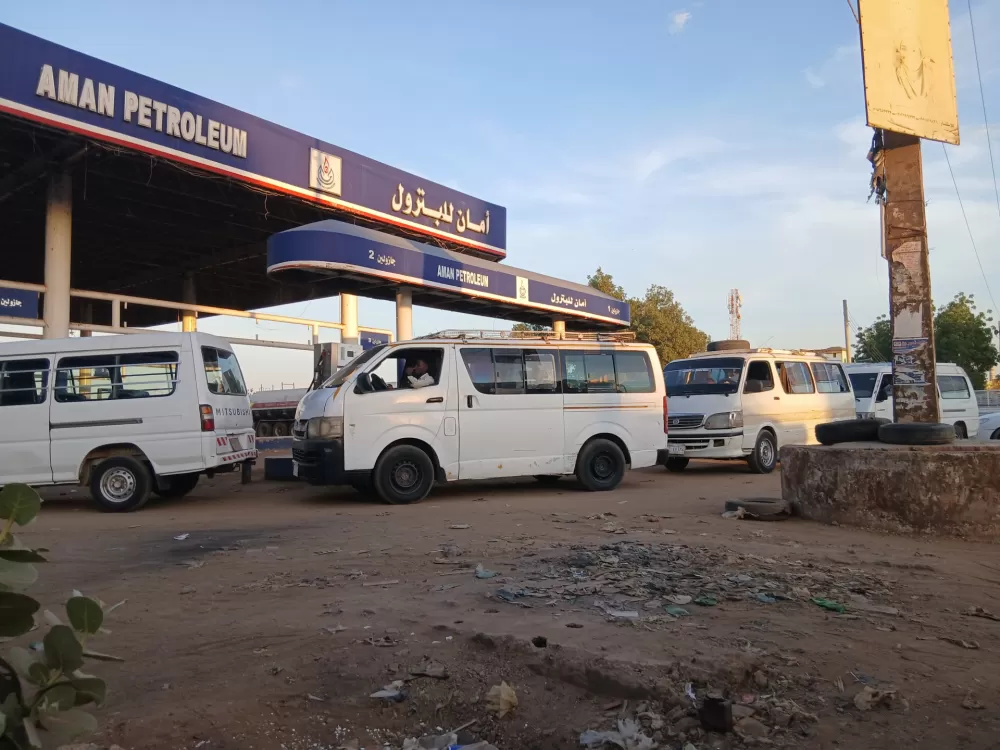
Sudan grapples with relentless electricity shortages, families turn to candles and count every trip to fuel stations
Endless blackouts have forced Sudanese households to rely on candles, kerosene lamps and costly generator fuel, while officials scramble for a lasting solution.
When the lights go out in Khartoum, it isn’t just a momentary inconvenience—it’s a daily reality that stretches into days, sometimes even weeks. The country’s power grid, already strained by years of conflict and economic turmoil, is now buckling under a perfect storm of fuel shortages, unpaid bills and aging infrastructure.
In the cramped apartments of the capital, families gather around flickering candles, their soft glow barely cutting through the darkness. Mothers coax children to study by the dim light, while fathers count the number of trips they need to make to the nearest gas station to keep their diesel generators humming. It’s a ritual that has become all too familiar, and one that feels both primitive and painfully modern at the same time.
“We used to rely on the national grid,” says Ahmed, a shopkeeper in Omdurman. “Now I have to buy fuel every day, and the price keeps rising. If I miss one trip, the shop closes for another night.” He pauses, glancing at the candle on his desk, as if the tiny flame could somehow illuminate a path out of the crisis.
Across the country, the pattern repeats. In rural villages, kerosene lamps replace electric bulbs, while in wealthier districts, families invest in expensive solar panels—yet even those are hit by the scarcity of batteries and technical support. The result is a patchwork of light sources, each one reflecting the stark inequality that the blackout has laid bare.
The government has announced a series of emergency measures: importing fuel, prioritising critical hospitals and schools, and even launching a limited repair programme for the main transmission lines. Critics argue, however, that these steps are too little, too late. “We keep hearing promises,” says a teacher from Darfur, “but the lights stay off, and the children fall behind.”
International aid agencies are stepping in, distributing solar lanterns and subsidising fuel for hospitals. Yet the scale of the problem dwarfs the assistance. With the economy sliding further into recession, many households simply cannot afford the extra cost of running a generator, forcing them to rely on what’s free—candles, the occasional solar charge, and a steadfast hope that the next day will be brighter.
For now, Sudan’s nights remain a mosaic of shadows and soft glows, each household improvising in its own way. As the country searches for a stable power solution, the human spirit—steady, stubborn, and surprisingly luminous—continues to shine through the darkness.
Editorial note: Nishadil may use AI assistance for news drafting and formatting. Readers can report issues from this page, and material corrections are reviewed under our editorial standards.


