Should You Be Sleeping With Socks On? Doctors Reveal the Surprising Truth
- Nishadil
- October 23, 2026
- 0 Comments
- 3 minutes read
- 9 Views
- Save
- Follow Topic
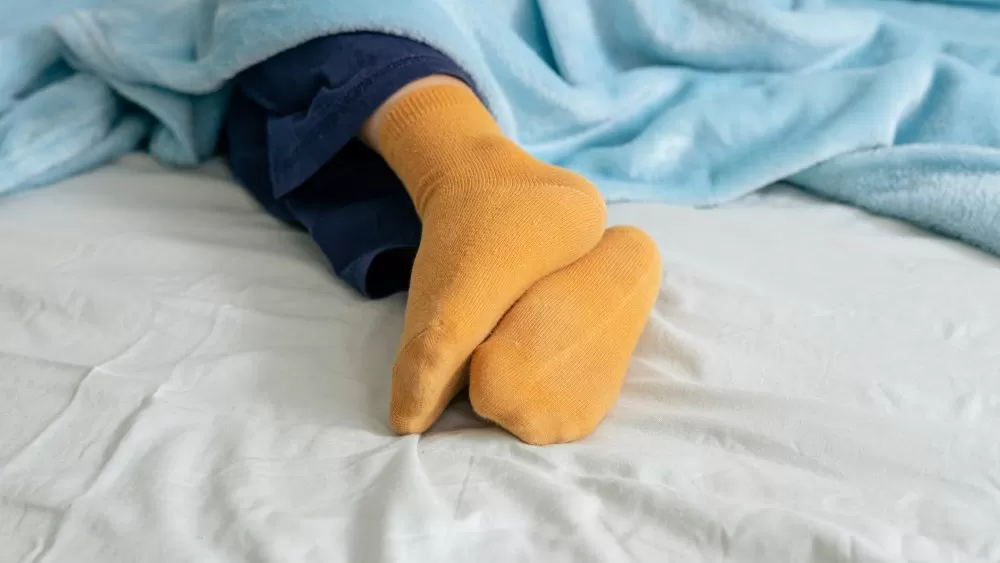
Do Socks in Bed Really Help You Sleep? Sleep Experts Weigh In
A look at why warming your feet before bedtime might shave minutes off the time it takes to drift off, and what kinds of socks (if any) are safest.
Ever notice how you instinctively kick a foot out from under the covers in the middle of the night? It’s not just a quirky habit—your body is actually trying to fine‑tune its temperature so you can stay asleep.
According to sleep physicians, the secret lies in your feet acting like tiny radiators. As your circadian rhythm nudges your core temperature downward, a lot of that heat escapes through the skin of your hands and feet. When the soles get a little warm, blood vessels dilate, dumping heat and signaling the brain that it’s time to power down.
That’s why many people swear by slipping on a pair of socks before they hit the pillow. Dr. Craig Zebuda, chief medical officer at Yunara Life, told Real Simple that “wearing socks to bed may seem trivial, but it can actually help the body prepare for sleep.” Likewise, neurologist and sleep‑medicine specialist Dr. Monika Mathur said a few small studies suggest that warming the feet can shorten sleep latency and modestly improve sleep quality. She cautioned, however, that it’s a low‑risk trick—not a miracle cure—and it works best for those whose feet tend to get chilly.
But does the research back up the hype? The answer is… modest. A handful of pilot studies show a slight boost in how quickly participants fall asleep when their feet are cozy, yet the effect size is small and not enough to rewrite sleep hygiene guidelines. Dr. Yoel Green of Stanford Healthcare summed it up: “There isn’t strong evidence that wearing socks to bed dramatically improves sleep, but feeling snug can certainly make the process feel easier.”
Safety isn’t a major concern for most healthy adults—just pick a clean, dry pair that isn’t too tight. Tight elastic bands can leave marks and, more importantly, restrict circulation. Moisture‑trapping fabrics may breed irritation or infection, especially for people with diabetes, peripheral neuropathy, or other circulatory issues.
So, what kind of socks should you reach for? Experts recommend loose, breathable, moisture‑wicking materials—bamboo or light cotton are popular choices. Ankle‑ or crew‑length socks work fine as long as the top doesn’t cinch. “Keep them loose at the top, change them nightly, and make sure they’re dry,” Zebuda advised.
Bottom line: slipping on a pair of soft, breathable socks is a low‑risk habit that can add a touch of coziness and maybe shave a few minutes off the time it takes to fall asleep. If you’re already battling cold feet, give it a try. If not, you’re probably fine without them—just keep the bedroom cool and dark.
Editorial note: Nishadil may use AI assistance for news drafting and formatting. Readers can report issues from this page, and material corrections are reviewed under our editorial standards.