
Shaping the Future of Bone Health: A Deep Dive into Orthopaedic Advancements
- Nishadil
- April 05, 2026
- 0 Comments
- 3 minutes read
- 30 Views
- Save
- Follow Topic
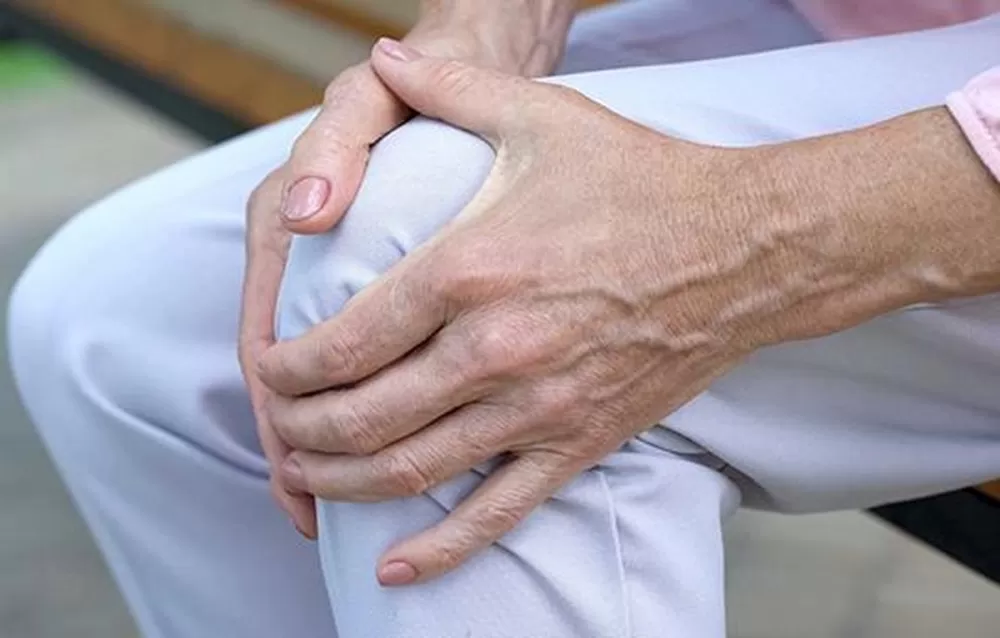
From AI to Compassionate Care: Mysuru's Orthopaedic Conference Charts a New Course for Bone Health
Orthopaedic experts recently gathered in Mysuru, passionately exploring everything from cutting-edge technologies like AI and robotics to the timeless importance of patient-centered, evidence-based care. It was a fascinating blend of innovation and traditional wisdom, all aimed at enhancing patient outcomes.
Imagine a bustling gathering, a real hub of intellectual energy, right there in the historic city of Mysuru. That's exactly what unfolded recently when some of the brightest minds in orthopaedic surgery convened, eager to tackle the ever-evolving landscape of bone and joint health. It wasn't just about sharing knowledge; it was about shaping the future, embracing innovation while staying firmly rooted in compassionate, patient-first care.
At the heart of these vital discussions were two intertwined pillars: the dazzling potential of emerging technologies and the unshakeable commitment to evidence-based care. The whole affair was grandly inaugurated by none other than Dr. K. R. Dakshina Murthy, who, I imagine, set a wonderfully thoughtful tone for the days ahead. It truly highlighted how crucial it is for our medical professionals to keep learning, keep adapting, and always put the patient at the very center of their practice.
The presence of stalwarts from both the Karnataka Orthopaedic Association (KOA) and the Indian Orthopaedic Association (IOA) truly underscored the significance of the event. We're talking about leaders like Dr. Sharan C. Patil, the President of KOA, and his dedicated Secretary, Dr. S. K. Shivaswamy. Then, from the national stage, we had Dr. C. S. Rajan, President of IOA, alongside his capable Secretary, Dr. J. V. Srinivas. Their combined presence signaled a unified front, keen on advancing orthopaedics across the board, ensuring the benefits reach patients far and wide.
The air buzzed with talk of groundbreaking innovations – things that once felt like science fiction, now very much part of our surgical reality. Artificial intelligence, for example, is truly transforming how diagnoses are made and treatments are planned. Then there's robotics, bringing unprecedented precision to the operating room, and 3D printing, which allows for incredibly tailored implants and surgical guides. It's really quite something to witness how these tools are empowering surgeons to achieve outcomes that were simply unimaginable just a few years ago.
But it wasn't just about shiny new gadgets; the conference also delved deep into critical surgical techniques and common challenges. Think about the intricacies of hip replacement surgeries, or the delicate nuances of treating spinal injuries. There were robust discussions around advanced arthroplasty – basically, joint replacement – and, of course, the ever-important strategies for managing trauma cases effectively. Each session, I gather, was designed to equip practitioners with the freshest insights and best practices, tackling even the most complex patient presentations head-on.
What struck me, even from afar, about the spirit of this conference was the unwavering focus on the patient. While technology offers incredible leaps, the core message remained clear: it's a tool, an enhancement, never a replacement for the surgeon's skill, empathy, and sound clinical judgment. The overarching goal, ultimately, is to ensure better, safer, and more personalized outcomes for every single person entrusting their bone and joint health to these dedicated professionals. It's truly inspiring to see a community so committed to constant improvement, always with the patient's well-being at its very heart.
Editorial note: Nishadil may use AI assistance for news drafting and formatting. Readers can report issues from this page, and material corrections are reviewed under our editorial standards.













