Shadows and Whispers: Unpacking the Alleged Iranian Missile Strikes on UAE's Fujairah
- Nishadil
- May 05, 2026
- 0 Comments
- 3 minutes read
- 43 Views
- Save
- Follow Topic

Reports of Unconfirmed Iranian Missile Attacks Emerge, Targeting UAE's Crucial Fujairah Region
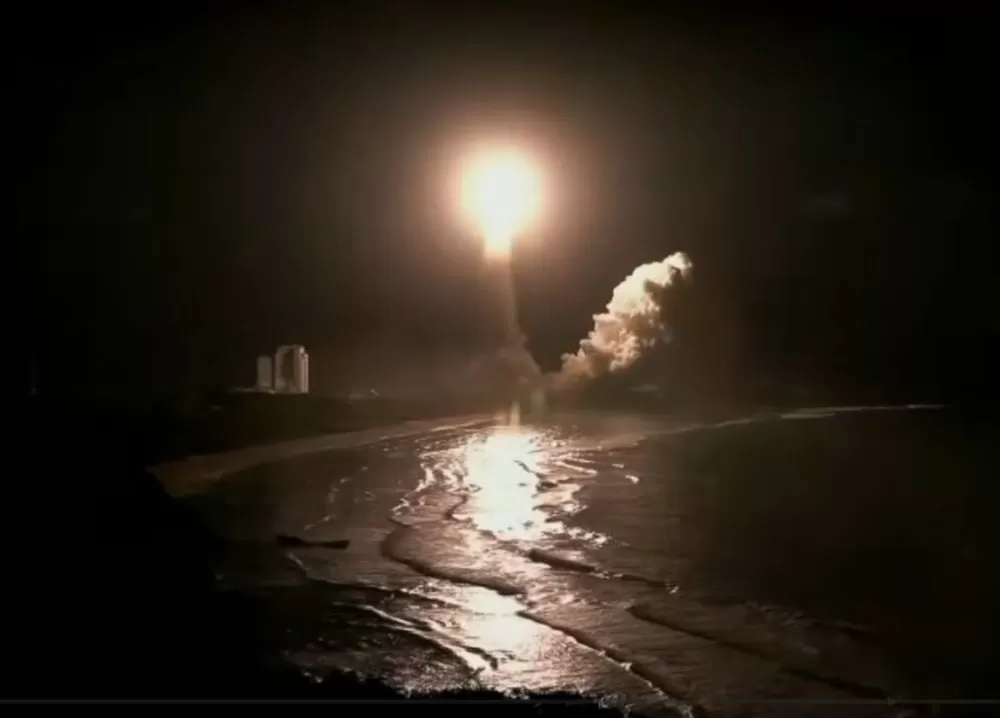
A wave of unconfirmed reports has recently surfaced, detailing alleged Iranian missile attacks aimed at the strategically vital Fujairah region in the UAE. This news, while officially denied or unverified, has undeniably sparked a fresh round of unease across the Middle East, highlighting the delicate regional balance and the power of information, even unconfirmed.
Picture this: a ripple of concern spreading across the Middle East, fueled by whispers and reports of something potentially significant. That's precisely the scenario we've seen unfold with recent claims suggesting Iranian missile attacks targeted the United Arab Emirates, specifically its crucial port and oil hub of Fujairah. It's a story that feels almost too familiar in a region perpetually on edge, yet each new allegation carries its own unique weight and potential implications.
The initial buzz, as it often does, seemed to originate from certain regional media outlets, notably those with discernible leanings. They painted a picture of Iranian missiles — perhaps even a volley of them — striking targets within Fujairah. Now, for anyone familiar with the geography and economy of the UAE, Fujairah isn't just any patch of land. Oh no. It's a hugely important strategic location, boasting a significant oil terminal and port that serves as a vital artery for global energy flows, critically bypassing the Strait of Hormuz. So, any perceived threat to it, real or imagined, immediately grabs international attention and sparks heightened anxieties.
But here's where things get a bit murky, as they often do in such situations. Almost as quickly as these reports emerged, official sources from the UAE side either remained conspicuously silent or outright denied any such incident. No sirens, no debris, no confirmed impacts – at least, nothing the world was officially told about. This conspicuous absence of corroboration, naturally, leaves us in a rather ambiguous space. Was it a false alarm? Misinformation? Or perhaps something more clandestine that simply wasn't confirmed publicly?
One can't help but ponder the broader context here. Relations between Iran and various Gulf states, including the UAE, have been a tightrope walk for years, punctuated by moments of acute tension. There have been instances in the past, for example, where Yemen's Houthi rebels — a group often linked with Iran — have claimed responsibility for drone or missile attacks targeting UAE territory. So, while these latest claims specifically mentioned Iran, the shadow of past regional conflicts certainly lends an uncomfortable weight to the current reports, even if unverified.
What makes these claims particularly thorny is the strategic ambiguity they create. Whether the attacks actually occurred or not, the mere reporting of them serves a purpose. It can sow doubt, heighten anxieties, and test the resolve of nations. In the complex chess game of regional power dynamics, information, even unconfirmed information, is a potent tool. It compels vigilance, triggers discussions, and forces a re-evaluation of security postures, regardless of absolute veracity.
So, where do we stand? For now, the narrative surrounding alleged Iranian missile attacks on Fujairah remains largely within the realm of speculation and unconfirmed reports. It's a situation that underscores the constant challenge of discerning truth from rumor in a highly charged geopolitical environment. While we await clearer signals, the episode serves as a stark reminder of the delicate regional balance and the ever-present potential for escalation, even if it’s just in the news cycle, keeping everyone on their toes.
Editorial note: Nishadil may use AI assistance for news drafting and formatting. Readers can report issues from this page, and material corrections are reviewed under our editorial standards.