Santa Monica vs. Waymo: The Robotaxi Rumble for City Streets
- Nishadil
- December 25, 2025
- 0 Comments
- 4 minutes read
- 42 Views
- Save
- Follow Topic

Santa Monica Sues Waymo Over 'Public Nuisance' Robotaxis, Sparking Major Legal Battle
The City of Santa Monica is taking legal action against Waymo, alleging that the company's self-driving taxis are creating a public nuisance by frequently stopping and obstructing traffic. This lawsuit raises critical questions about local control versus state regulation of autonomous vehicles and their impact on urban environments.
Well, here we go again. Just when you thought the dust was settling a bit on the whole robotaxi debate, Santa Monica is stepping into the ring, taking on none other than Waymo, Google's self-driving car division. It's not just a minor disagreement; the city is actively suing Waymo, alleging that their autonomous vehicles are creating a 'public nuisance' on their streets. Talk about a heavyweight bout!
You see, Waymo has been pretty busy expanding its services, and Santa Monica, with its bustling beaches and tight streets, became one of its newer stomping grounds. Their fleet of sleek, all-electric Jaguar I-Pace SUVs, zipping around sans human driver, certainly made an impression. But, it seems, not always a good one.
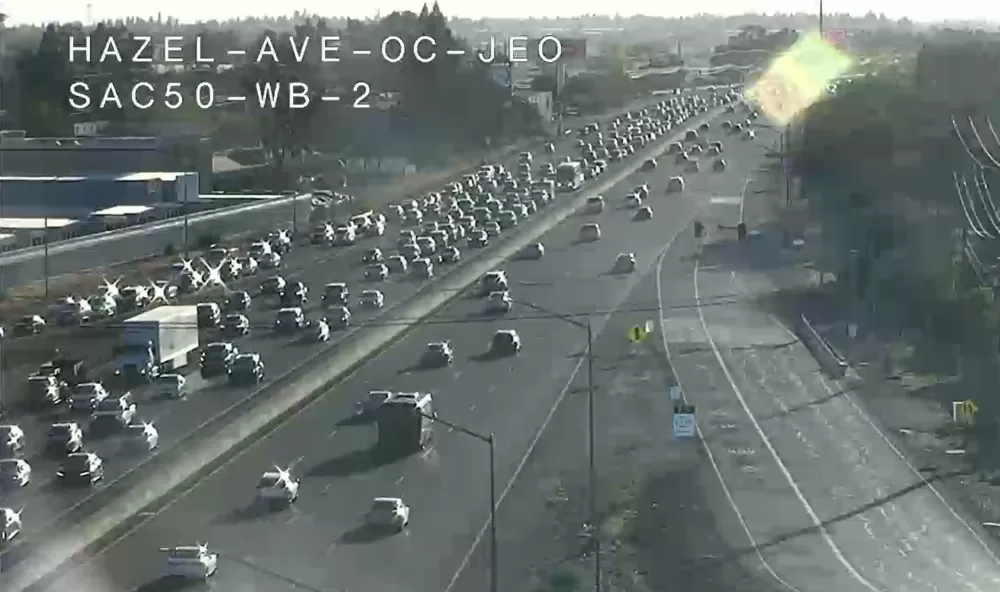
The city's complaints aren't trivial. According to the lawsuit, filed by Santa Monica City Attorney Douglas Sloan, these self-driving cars have a nasty habit of just... stopping. Out of nowhere. Imagine a bus being held up because a robotaxi decided to take a spontaneous break in the middle of the road. Or worse, an emergency vehicle struggling to get through because a Waymo car is having a bit of a moment. Sloan's office highlighted specific incidents, painting a picture of cars blocking traffic, interfering with bus routes, and even chilling in bike lanes. These aren't just minor inconveniences; they're disruptions that impact daily life and, more critically, public safety.
Now, Waymo, as you'd expect, isn't taking this lying down. Their response is pretty clear: 'Hold on a minute, Santa Monica. You don't have the authority here.' They're arguing that California state law, specifically regulations from the Department of Motor Vehicles (DMV) and the California Public Utilities Commission (CPUC), gives them the sole power to regulate autonomous vehicles. Essentially, they're saying the state has 'pre-empted' local cities from setting their own rules. Waymo believes their service is not only safe but also meticulously regulated by these state bodies.
It's a classic clash, isn't it? Local control versus state-level industry regulation. And it brings to mind, rather vividly, what happened in San Francisco not too long ago. Remember Cruise, GM's robotaxi service? They faced similar criticisms, particularly after a rather severe incident involving a pedestrian, which ultimately led to their permit being suspended and operations halted. While Waymo hasn't had that level of public incident in Santa Monica, the underlying tension – autonomous tech meeting the messy reality of urban infrastructure – is strikingly similar.
The stakes are pretty high for both sides. Santa Monica is pushing for a temporary restraining order and a preliminary injunction, which would essentially force Waymo to hit the brakes on its operations there, at least until the matter is properly sorted out. Waymo, of course, wants to continue its expansion unimpeded, viewing this as a critical market. This legal tussle is set to play out in the Los Angeles County Superior Court, with a hearing scheduled for March 19th. It’s a date to mark on the calendar, for sure, because the outcome could set a precedent for how cities interact with burgeoning autonomous vehicle services across the state, and perhaps even beyond.
Ultimately, this isn't just about Waymo or Santa Monica; it's about defining the future of our streets. Can cities truly manage the integration of this new technology, or will state-level oversight always hold the upper hand? It's a question with significant implications for how our communities evolve, and for the safety and flow of everyday life. We'll be watching to see how this unfolds.
Editorial note: Nishadil may use AI assistance for news drafting and formatting. Readers can report issues from this page, and material corrections are reviewed under our editorial standards.